What is a 'Fuel Duty Rise' and What Does Rachel Reeves Have to Do With It?
Political and economic pressures mount on Chancellor Rachel Reeves over planned fuel duty increases amid rising global oil prices.
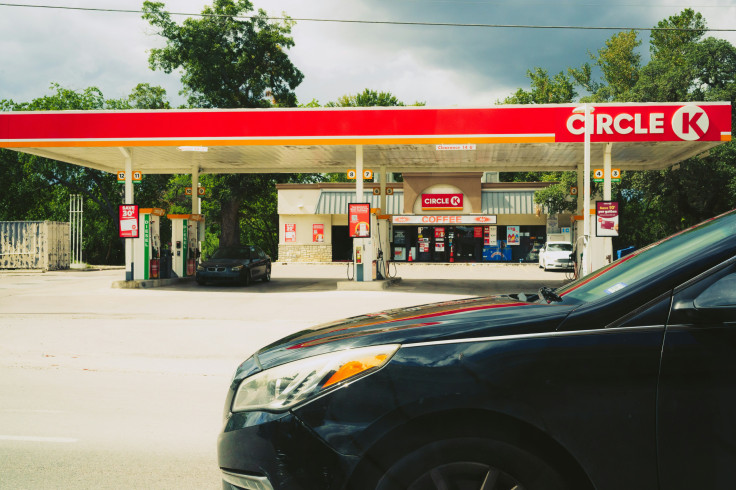
A looming fuel duty rise has placed Chancellor Rachel Reeves at the centre of mounting political and economic pressure as global oil prices climb. With global oil markets unsettled, the debate over whether to press ahead with higher duty has intensified across Westminster.
But before examining the political fallout, it is worth clarifying what a fuel duty rise actually means for drivers and why it has become a contentious issue.
What Is A Fuel Duty Rise?
A fuel duty rise refers to an increase in the tax charged on petrol and diesel sold at forecourts across the United Kingdom. Fuel duty is applied per litre and directly affects the price motorists pay at the pump. When duty increases, the overall cost of fuel typically rises unless offset by other measures.
Last year, Reeves confirmed that the long-standing fuel duty discount would end from September. The plan included a 1p increase, followed by two further 2p rises in subsequent years. These staged increases would gradually raise the amount of tax paid by drivers on every litre purchased.
Rachel Reeves And The Planned Changes
Reeves set out the proposed changes as part of broader fiscal planning. The decision marked a shift away from the extended discount that had been in place for several years. The announcement signalled that fuel duty would return to a higher rate after a period of relief for motorists.
However, the policy has faced renewed scrutiny due to events overseas. Following US and Israeli military action on Iran at the weekend, which killed the country's Supreme Leader Ayatollah Ali Khamenei, concerns have grown about the impact on global oil supply. Rising geopolitical tensions have prompted fears of increased crude oil prices.
After the attacks, the price of oil rose to 80 US dollars a barrel, approximately £63. Some analysts indicated that prices could exceed 100 US dollars per barrel, roughly £79, if tensions escalate further. Any sustained increase at that level would likely be reflected in higher fuel costs for consumers.
Political Pressure To Scrap The Increase
In response, the Chancellor has faced calls to abandon the planned duty rises. Speaking ahead of the spring statement, SNP economy spokesman Dave Doogan urged immediate action. He said, 'With real fears that prices at the pump are now set to soar because of the situation in the Middle East – instead of stubbornly doubling down, the Chancellor needs to scrap her price hike plans before motorists face a devastating double hit.'
'Oil prices are already spiking – the last thing motorists and businesses now need is another damaging tax hike from the Labour Party. The Chancellor needs to see sense, recognise what is unfolding globally, and immediately scrap her plans to hike prices at pumps.'
Doogan also linked the issue to earlier pledges on household costs. He said, 'Everyone knows that Keir Starmer's Labour Party has broken their promise to cut energy bills by £300 – it would be another slap in the face for families if Labour made the cost-of-living crisis even worse with a plan that will inevitably increase prices. After 14 U-turns from this chaotic Labour Government – scrapping their plans to hike fuel duty is one U-turn motorists, businesses and families right across Scotland would actually welcome.'
Treasury Response And Current Position
The Treasury has responded by pointing to existing relief measures. A spokeswoman said, 'We have extended the 5p fuel duty cut from this month to the end of August to support drivers across the country.' This extension maintains a temporary reduction while policy decisions remain under review.
© Copyright IBTimes 2026. All rights reserved.
- MOST POPULAR IN National