US Farmers Raise Red Flag Over 'Unsustainable' Costs As Iran War Cuts Off Fertiliser Supply
The conflict has increased fertiliser and fuel costs, impacting farmers' finances and crop yields
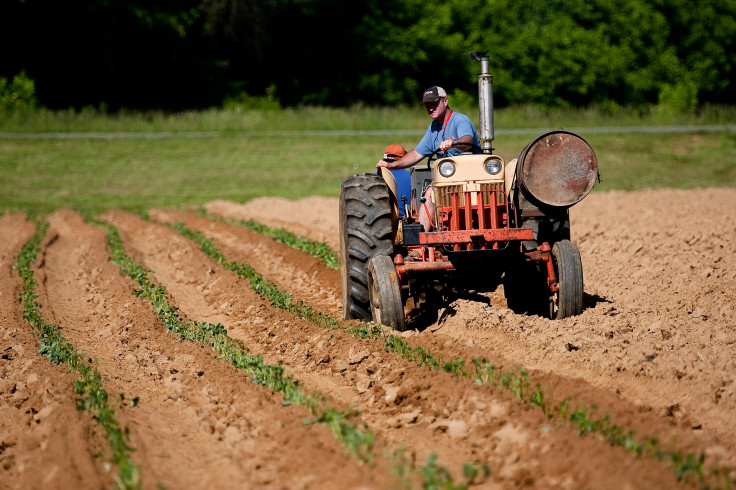
US farmers are feeling the brunt of financial pressure as fertiliser and fuel costs surge following disruptions linked to the Iran conflict.
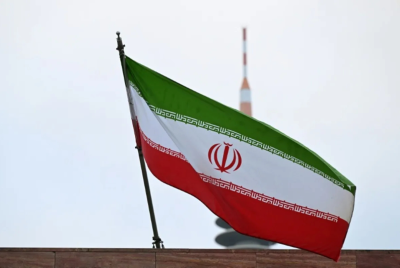
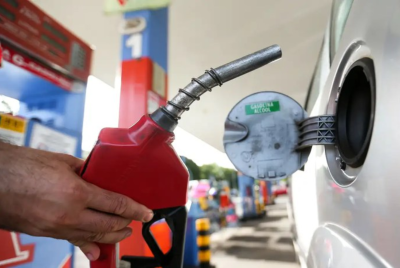
The blocking of the Strait of Hormuz has driven energy prices higher in recent months, and because fertilisers depend on oil and natural gas, the increase is quickly raising farming costs across the United States.
Fertiliser Costs Hit US Farmers
The ongoing war has left a severe impact on several sectors, particularly in agriculture. US farmers say they are already feeling the strain.
A recent survey from the American Farm Bureau Federation (AFBF) revealed that 70% of US farmers say that they could not afford enough fertiliser for this growing season.
In addition, nearly six in 10 farmers report worsening finances due to high fertiliser and fuel prices, prompting them to urge the government for immediate economic assistance to keep farm gates open.
'Spring planting decisions depend heavily on access to fertilizer and diesel fuel, both of which have been impacted by geopolitical risks that have disrupted global markets', Market Intel stated, the AFBF's economic analysis team.
According to Market Intel, nitrogen fertiliser prices have risen over 30% since 28 February, fuel and fertiliser costs combined are up to 20%-40%, while urea prices have increased 47% since late February.
It added that the major factor affecting crop production system and fertiliser needs is the closure of the Strait of Hormuz, as more than one-third of the fertiliser being traded passes through the strait, The Washington Times reported.
With the ongoing situation, farmers are forced to use less, leading to smaller harvests.
International Trade Centre head Pamela Coke-Hamilton said that fertiliser shortages are becoming the most pressing issue right now, saying the shortages affect food security 'and food security is always the basis for stability'.
'There are significant issues with respect to availability of fertilisers and also there's a timeline for agriculture … which is being missed now'.
Food Prices Expected to Rise
Lower crop yields can lead to higher food prices. Experts say the effects will likely begin to appear in grocery prices within months.
World Bank Warns of Global Hunger
World Bank Chief Economist Indermit Gill warned that due to the escalating economic situation, 300 million people are likely to suffer acute food insecurity, and will go up 20% quickly, AFP reported.
Speaking on the sidelines of the International Monetary Fund-World Bank Spring Meetings in Washington, Gill said higher prices of fertilisers may result in countries halting their food exports to hoard more food, resulting in higher food inflation.
In March, Agriculture Secretary Brooke Rollins said the war will not affect the majority of farmers, telling Fox Business Network that 80% of them already bought fertiliser in 2025 to prepare for the spring season.
She also said that the government is looking at ways to help farmers to stay funded.

As of 15 April, President Donald Trump stated in recent interviews that the Iran conflict is 'close to over,' and said that a potential deal could stabilise the markets. However, experts questioned whether markets can stabilise quickly as supply disruptions, production lags, and geopolitical uncertainty may persist for months despite any diplomatic developments.
© Copyright IBTimes 2026. All rights reserved.
- Recommended For You