Europe Is on the Brink With Only About Six Weeks of Jet Fuel Left: IEA Energy Chief Issues Dire Warning
IEA warns of potential flight cancellations due to dwindling jet fuel supplies in Europe

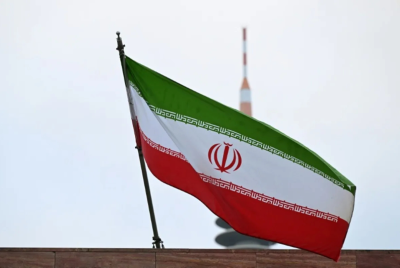
The war in Iran and the closure of the Strait of Hormuz have dragged on, and now Europe has only about six weeks of jet fuel left. The International Energy Agency (IEA) in Paris has issued a dire warning of flight cancellations if the situation at the strait does not change.
The executive director of the IEA, Fatih Birol, said that there would be flight cancellations 'soon' if oil supplies from the Middle East are not restored within the coming weeks. 'I can tell you soon we will hear news that some of the flights from A to city B might be cancelled as a result of lack of jet fuel,' Birol told the Associated Press.
KLM Statement on the Jet Fuel Shortage in Europe
On Thursday, 16 April, KLM, a subsidiary of the Air France-KLM Group, said that it may ground 160 flights in May due to the high cost of kerosene-type jet fuel. Although 160 flights are fewer than 1 per cent of KLM's usual number of flights, the cancellations underscore the financial strain the airline industry has borne.
The Dutch airline released this statement: 'This concerns a limited number of flights within Europe that, due to rising kerosene costs, are currently no longer financially viable to operate. There is no kerosene shortage. KLM expects a busy May holiday period and is making sure passengers can travel to their holiday destinations as planned.'
The Tipping Point of Fuel Stocks in Europe
In a report this week, IEA officials said that fuel stocks would reach a watershed moment in June if Europe is not able to replace at least 50 per cent of its fuel imports from the conflict zone. The Straight of Hormuz is a key route for jet fuel from the Middle East.
The Strait has been shut to oil tankers and cargo ships since 28 February 2026. Iran's closure of the vital waterway was imposed in response to attacks from Israel and the US, sending fuel, gas and fertiliser prices skyrocketing, prompting fears of fuel shortages.
IEA Advice on Energy Supply and Security
In a monthly oil industry report, the IEA advises 32 member countries on security and energy supply. The latest report cited the Gulf region as the principal source of oil, jet fuel and gas to the global market.
Aside from Europe, other refineries in major exporting countries like South Korea, China and India are themselves extremely reliant on crude oil imports from the Gulf. Consequently, the Middle East crisis has 'thrown a proverbial wrench into the inner workings of the aviation fuel market,' said the IEA.
No Jet Fuel Shortage as of Now
Brent crude oil financial futures, a global benchmark for over two-thirds of the world's internationally traded oil, have remained over 30 per cent higher than they were before the Iran conflict. The swift surge in petrol prices has compelled US President Trump to end the war with Iran.
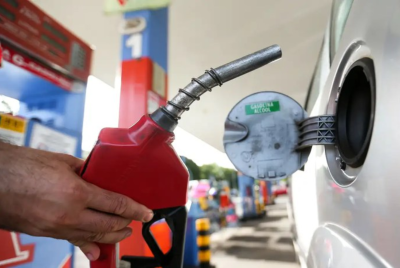
However, there haven't been any outright shortages of jet fuel as of now. Oil and fuel tankers that sailed from the Straight of Hormuz before the war continued to arrive this month. But the final batch of shipments before the war have just made it to Europe. This supply, according to Birol, leaves 'maybe six weeks or so of jet fuel left' for Europe.
According to people in the industry, airline companies and airports normally have about six weeks of jet fuel in stock at all times. All the same, the war in Iran has dragged on longer than expected that extra reserves of fuel are being depleted. Alternative suppliers don't have the capacity to replace fuel that comes from the Middle East.
© Copyright IBTimes 2026. All rights reserved.
- Recommended For You