

Christa Pike Had Rare Blood Disorder Before Botched Tennessee Execution, Court Documents Reveal
Court documents said Pike had a rare bone-marrow disorder and elevated platelet levels that could increase the risk of complications during lethal injection
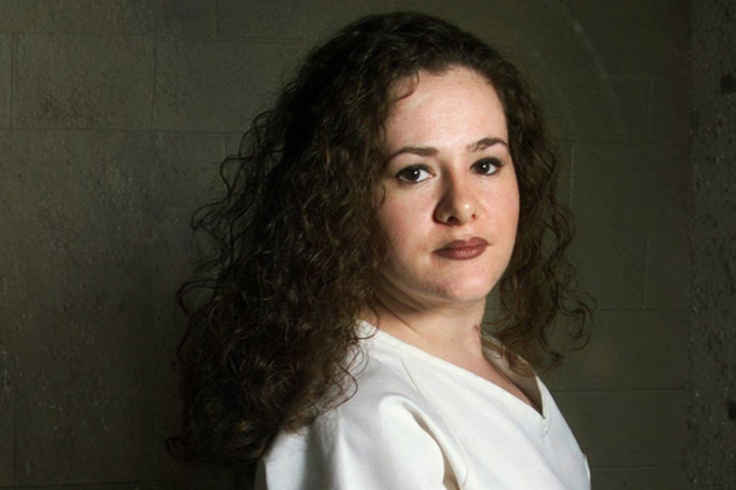
Christa Pike had a rare blood disorder potentially linked to blood cancer before Tennessee attempted to execute her, according to court documents detailing medical warnings raised by her lawyers months before the failed procedure.
The 50-year-old death-row inmate's attorneys said she had myeloproliferative disorder, a rare form of blood cancer affecting the bone marrow, in a complaint filed on 8 January 2026.
The filing, first reported by People, warned that her condition could increase the risk of severe pulmonary oedema during lethal injection, potentially causing an overwhelming sensation of suffocation.
Lawyers Warned of Blood Cancer Risks Before Execution
According to the January court complaint, Pike's platelet count was 'significantly elevated', likely because of myeloproliferative disorder.
Also known as a myeloproliferative neoplasm (MPN), the condition affects the bone marrow and causes excessive production of blood cells, including red blood cells, white blood cells or platelets.
Pike's lawyers said she had MPN-related thrombocytosis, a condition characterised by an unusually high platelet count.
In the filing, her legal team argued that the condition could increase her risk of developing severe pulmonary oedema during a lethal injection. The complication occurs when fluid accumulates in the lungs, making breathing difficult.
'A pulmonary edema is not simply painful or uncomfortable; it can create a sense of suffocating or drowning that has been likened by experts to the sensation intentionally induced by the practice of waterboarding – an unambiguous form of outright torture,' her lawyers wrote, according to People.
They further argued that proceeding with the execution would be 'very likely to result in unnecessary and superadded pain and suffering, terror, and disgrace'.
The complaint also highlighted Pike's history of difficulties with blood tests and needle insertion.
Her attorneys said medical staff at the Debra K. Johnson Rehabilitation Center used a butterfly needle when collecting her blood because of concerns about accessing her veins and causing unnecessary pain.
The Death Penalty Information Center (DPIC) also reported that Pike's lawyers cited her thrombocytosis and small veins as medical concerns in their challenge to Tennessee's execution protocol.
Lawyers Challenged Tennessee's Execution Protocol
Pike's legal team argued that her medical condition, combined with the state's execution procedures, created an unacceptable risk of suffering.
According to the complaint, her lawyers also objected to changes in Tennessee's execution protocol that they said failed to guarantee immediate telephone access to legal counsel before and during the procedure.
They argued that attorneys needed to be able to communicate with the courts if complications developed during the execution.
Pike's lawyers proposed using a 23-gauge butterfly needle inserted by qualified medical personnel as an alternative to reduce the risk of unnecessary pain and suffering. During later court proceedings, they also raised hanging as a possible alternative method of execution.
However, Tennessee did not approve the proposed alternatives.
The January complaint argued that proceeding with the lethal injection would violate Pike's constitutional protections, including those under the First, Eighth and Fourteenth Amendments.
Pike Survived Two Doses of Pentobarbital
Tennessee attempted to execute Pike on 30 September 2026 at Riverbend Maximum Security Institution in Nashville.
The Associated Press reported that execution personnel administered two doses of pentobarbital but failed to kill her. She was subsequently taken to Vanderbilt University Medical Center in critical condition.
In a 2 October report, Reuters cited an emergency court filing by Pike's attorneys stating that she was unconscious, intubated and receiving assistance from a ventilator. Her lawyers also reported significant injuries to both arms.
ABC News later reported on a court declaration by attorney Randy Spivey, who witnessed the execution attempt. According to Spivey's account, execution personnel appeared to struggle to establish intravenous lines and used approximately 10 needles during the procedure.
Spivey also described Pike complaining that her arm was burning and felt as though it was about to burst.
Her lawyers alleged that improperly placed intravenous lines allowed the pentobarbital to enter surrounding tissue rather than flow directly into her bloodstream.
Pike remained unconscious and on a ventilator for nearly a week before regaining consciousness. She spent approximately 10 days in hospital before being returned to the Debra K. Johnson Rehabilitation Center.
Medical Warnings Draw Renewed Attention
The failed execution prompted Tennessee Governor Bill Lee to suspend the state's remaining executions for 2026 and order an independent review, according to the Associated Press.
The medical concerns outlined in Pike's January complaint have since drawn renewed attention because her lawyers had specifically warned about difficulties with needle insertion and potential complications associated with her blood disorder.
However, the court documents establish that her attorneys raised these medical risks before the execution attempt. They do not independently establish that the suspected blood cancer caused the procedure to fail.
Pike remains on death row for the 1995 murder of 19-year-old Colleen Slemmer, whom she and her then-boyfriend, Tadaryl Shipp, killed when Pike was 18 and Shipp was 17.
© Copyright IBTimes 2026. All rights reserved.