

Could South Korea Follow Australia and Start Banning Under-16s From Social Media?
Officials explore usage caps over outright bans as concerns grow about excessive social media use among Korean teenagers
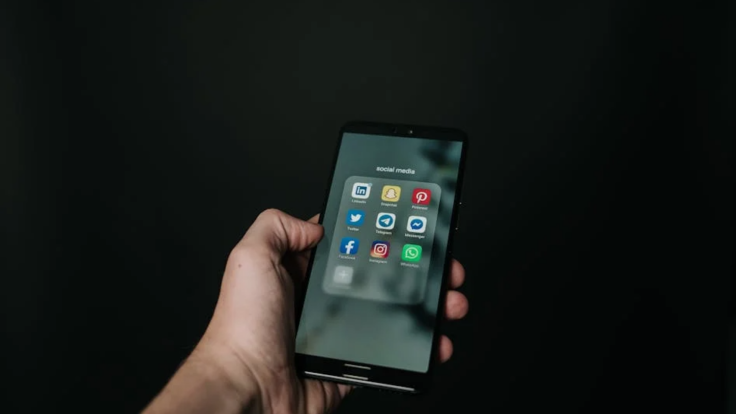
South Korea is now in a place where they're questioning how far the state should go to protect teenagers online, as Australia's under-16 social media ban forces governments to confront the limits of digital freedom and safety. The conversation started after Australia became the first country to legally bar children under 16 from accessing social media platforms, a move that has drawn international attention and prompted policy reviews around the world.
In Seoul, the discussion has been active, but officials appear cautious about copying Canberra outright.
Australia's Ban Sparks a Regional Conversation
Australia's decision to prohibit under-16s from social media has placed youth online safety firmly back on political agendas across Asia and Europe. Governments in Malaysia, Denmark and France have already begun examining whether similar restrictions could work in their own systems. In South Korea, however, policymakers have signalled a preference for regulating usage rather than imposing a full ban.
Data released by WiseApp and Retail in November highlights how deeply embedded social media already is in teenage life. Instagram is the most widely used platform among Korean teenagers, with 4.04 million users, followed by TikTok with 2 million. Pinterest and X also show significant teenage use, with 1.69 million and 1.6 million users respectively.
Concerns are not limited to platform popularity alone, but focus on time spent online and self-control. A 2024 survey conducted by the Ministry of Science and ICT alongside the National Information Society Agency found that 46.7 per cent of Korean teenagers struggle to control their social media use. Notably, 42.2 per cent said they had difficulty limiting time spent on short-form content, a higher rate than that reported by younger children, adults or seniors.
Policy Shifts Towards Usage Limits
With this in mind, lawmakers have begun discussing legal safeguards aimed specifically at minors. Rather than cutting off access entirely, the focus has moved towards introducing daily time caps on social media use. Supporters feel that this approach acknowledges the reality of teenagers' online lives while still addressing risks linked to overuse.
The idea is not new within Korea's legislature. Last year, Rep. Cho Jung-hun of the ruling People Power Party proposed an amendment to the Act on the Promotion of Information and Communications Network Utilization and Information Protection, which would have imposed daily time limits for teenage users. The bill stalled after questions were raised around fairness, enforcement and possible violations of fundamental rights.
However, Jeon Seong-min, a professor of business administration at Gachon University, warned that poorly designed rules could fail to deliver protection. Referring to Korea's abolished 'Shutdown Law,' which limited minors' access to online games at night, he said, 'Simply blocking social media access for those under 16 is unlikely to solve the problem.'
Platforms Introduce Voluntary Safeguards
While lawmakers debate, several technology companies have already rolled out protective measures. Meta has introduced teen accounts that allow parents of users aged 14 to 18 to enforce private settings, limit sensitive content and apply daily usage caps. TikTok now places accounts of users under 16 in private mode by default and limits screen time for under-18s to one hour per day.
Korean platforms have also acted. Kakao has implemented parental controls on KakaoTalk to restrict minors' access to open chat rooms and short-form content, citing concerns around digital grooming and sexual exploitation, while Naver has deployed AI-based systems designed to block explicit images and videos.
© Copyright IBTimes 2026. All rights reserved.