'Spacex Rocket Hits Moon' Claim Explained as Experts Compare It With NASA's Planned Impacts
Experts examine the 'SpaceX rocket hits moon' theory while highlighting differences with NASA's deliberate lunar crash experiments
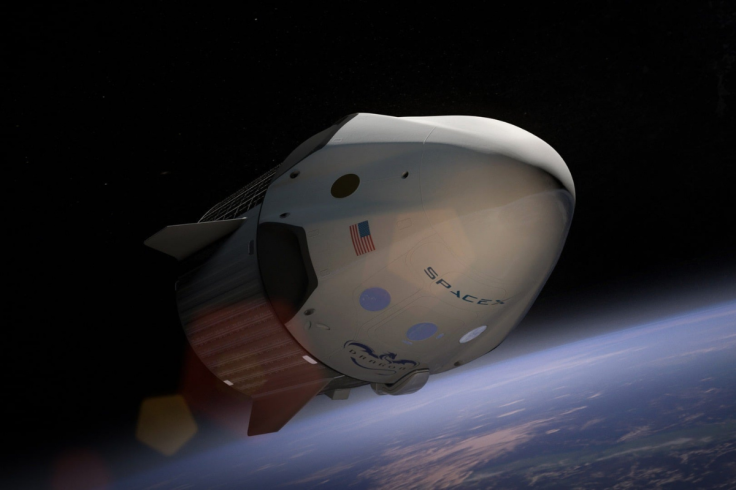
The viral claim that a SpaceX rocket slammed into the Moon is not supported by the evidence, according to astronomers who say the object involved in the widely discussed impact almost certainly came from an earlier Chinese lunar mission. The phrase 'SpaceX rocket hits moon' has still spread rapidly online, prompting confusion over whether a modern commercial rocket accidentally collided with the lunar surface and highlighting how quickly speculation can race ahead of verified data.
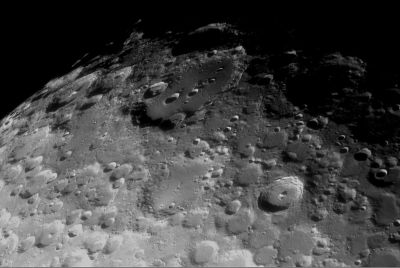
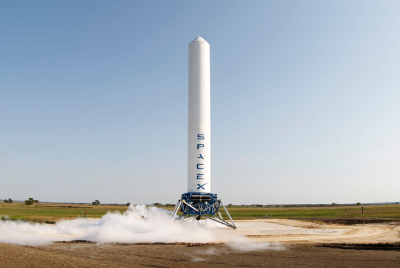
The confusion stems from a real event in which a piece of space debris struck the Moon at high speed, estimated at roughly 5,000 miles per hour. Early assumptions linked the object to a SpaceX Falcon 9 rocket stage, largely because of publicly available launch timelines.
However, astronomers later revised that assessment, suggesting the debris was more consistent with hardware from a past Chinese lunar mission. Despite this clarification, the 'SpaceX rocket hits moon' narrative continues to trend due to its simplicity and viral appeal.
Tracking Space Debris Is More Complex Than It Seems
Monitoring objects in deep space is a demanding task. Unlike satellites in low Earth orbit, which are tracked continuously by radar and observation networks, discarded rocket stages travelling towards the Moon can become difficult to monitor over time. Small uncertainties in trajectory calculations can lead to misidentification, especially when multiple missions share similar flight paths.
Independent astronomers and analysts often play a key role in tracking such debris. By combining telescope observations with orbital modelling, they attempt to reconstruct an object's journey.
In this case, updated data suggested the trajectory did not align with known SpaceX launches but instead matched an earlier mission profile linked to China's lunar programme. The revision highlighted the importance of continued observation and collaboration in confirming the origins of space objects.
NASA's History of Intentional Lunar Impacts
While the recent event was accidental, NASA has deliberately crashed spacecraft into the Moon as part of scientific missions. These controlled impacts are planned to gather data about the lunar surface and its composition.
One of the most notable examples is the LCROSS mission in 2009. NASA intentionally directed a spent rocket stage into a permanently shadowed crater near the Moon's south pole. The resulting plume of debris allowed scientists to analyse the presence of water ice and other materials. The mission provided evidence that water exists in significant quantities on the Moon, shaping future exploration strategies.
Such experiments are conducted with precision and specific scientific goals, distinguishing them from accidental impacts. NASA's approach is designed so that each collision contributes usable data, rather than being an unintended byproduct of space activity.
Separating Fact From Speculation in Lunar Impact Events
Understanding the difference between accidental and intentional impacts is important for public perception and scientific accuracy. The 'SpaceX rocket hits moon' claim may suggest a lack of control or oversight, but the situation is more complex. Space agencies and private companies follow defined protocols when planning missions, and accidental events are uncommon and typically examined in detail.
The incident also reflects the growing complexity of space exploration. As more countries and companies launch missions beyond Earth orbit, the number of objects travelling through cislunar space is increasing. This raises questions about tracking, transparency and international coordination to prevent confusion and support accountability.
Ultimately, while the idea of a SpaceX rocket striking the Moon attracts attention, the evidence points elsewhere. The event underlines both the challenges of tracking objects in space and the value of deliberate scientific exploration, as demonstrated by NASA's planned lunar impact missions.
© Copyright IBTimes 2026. All rights reserved.
- Recommended For You