'A Preemptive Shield': Scientists Propose Moon Quarantine to Block Alien Species Contamination
A new study suggests using the Moon as a biocontainment site for extraterrestrial samples to prevent potential ecological threats to Earth.
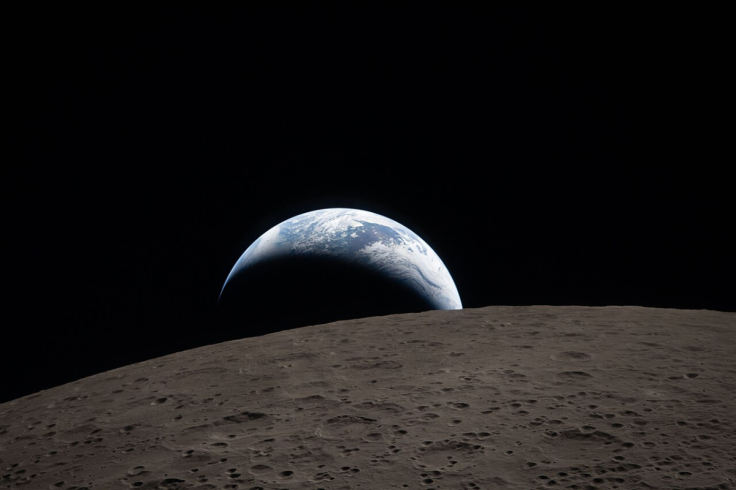
Scientists have proposed building a lunar quarantine facility to examine samples returned from Mars and other celestial bodies before they ever reach Earth, arguing that the Moon could serve as a biological buffer against the unlikely but potentially catastrophic risk of extraterrestrial contamination.
The proposal appears in a peer-reviewed paper published in Ambio on 28 May 2026 by Frederick I. Moxley and Anthony Ricciardi, who argue that future sample-return missions should be treated as a planetary biosecurity challenge rather than solely an engineering exercise.
Their central argument is precautionary: if spacecraft eventually return material containing unknown biological organisms, Earth's biosphere should not become the first testing ground.
Why Scientists Want a Moon-Based Quarantine
As space agencies expand plans to retrieve material from Mars, asteroids and icy moons, researchers say existing containment systems were designed around terrestrial biology rather than potentially unfamiliar life forms.
The authors, affiliated with Strategic Threat and Analysis Research Laboratories and McGill University, argue that the Moon offers several natural advantages over Earth as a quarantine location. Its physical isolation, lack of atmosphere and absence of a native biosphere would significantly reduce the consequences of an accidental release during sample analysis.
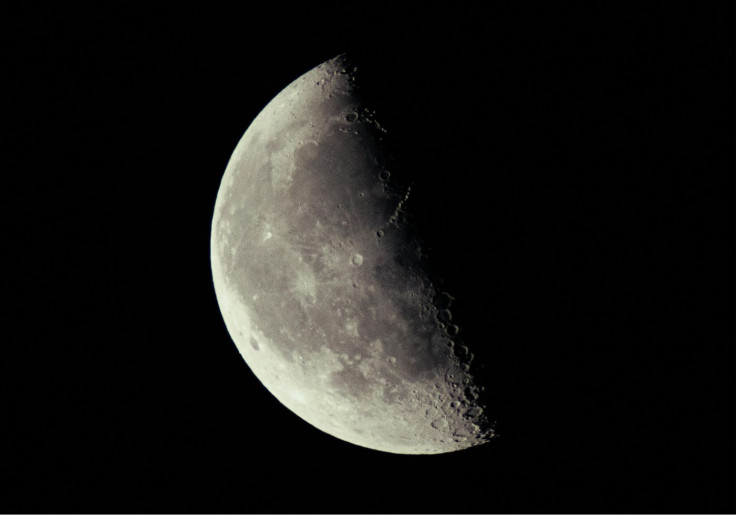
Rather than transporting samples directly to Earth, the researchers propose establishing a robotic biocontainment laboratory on the Moon where material could undergo detailed examination before any portion is cleared for transport to terrestrial laboratories.
The study describes such a facility as a 'pre-emptive shield' between Earth and future extraterrestrial sample-return missions.
Preparing for Unknown Biology
The proposal is based on a simple principle. Scientists cannot assume alien life, if it exists, would resemble organisms found on Earth.
The paper notes that hypothetical extraterrestrial microorganisms could possess unfamiliar biological characteristics, including different nucleic acid structures or alternative molecular chemistry that existing containment standards were never designed to address.
Although there is currently no evidence that extraterrestrial life has been discovered, the researchers argue that uncertainty itself justifies stronger safeguards.
To reflect those unknowns, they propose creating a new biosafety classification—BSL-X—specifically for handling biological material of extraterrestrial origin that falls outside current laboratory risk categories.
The recommendation mirrors broader scientific thinking within planetary protection, which aims to prevent both contamination of other worlds by Earth organisms and contamination of Earth by material returned from space. The proposal arrives as international interest in sample-return missions continues to grow.
NASA has long pursued plans for returning Martian material, while China has announced ambitions to launch its own Mars sample-return mission. Meanwhile, recent missions have successfully delivered asteroid samples to Earth, demonstrating that returning material from deep space is becoming increasingly routine.
Although none of those missions has identified evidence of alien life, researchers argue that the increasing frequency of sample-return programmes makes biosafety planning more urgent than it was decades ago. The paper also draws comparisons with invasive species research on Earth.
History shows that organisms introduced into new environments can produce severe ecological consequences, even when they appear harmless initially. The authors argue that the same precautionary principle should apply to any future extraterrestrial material, however remote the probability of biological contamination may currently seem.
Building on NASA's Earlier Precautions
The concept is not entirely without precedent. Following the Apollo Moon landings, NASA temporarily quarantined astronauts and lunar rocks inside the Lunar Receiving Laboratory in Houston while scientists assessed whether any unknown contaminants might be present.
Although those precautions ultimately proved unnecessary, they reflected the uncertainty surrounding humanity's first encounters with material collected beyond Earth.
The new proposal extends that philosophy to future missions targeting worlds considered more likely than the Moon to harbour microbial life, particularly Mars and several icy moons in the outer Solar System.
The authors are not claiming alien organisms exist, nor do they suggest that current missions pose an immediate biological threat. Instead, they argue that establishing containment protocols before evidence of extraterrestrial life is found is more practical than attempting to develop safeguards after the fact.
Whether space agencies adopt a lunar quarantine facility remains uncertain. Building and operating a specialised laboratory on the Moon would require substantial international cooperation, significant funding and technological advances beyond current infrastructure.
Still, as sample-return missions become more ambitious, the paper contributes to a growing discussion about how humanity should safely handle material collected beyond Earth. For the researchers, the question is not whether alien life has already been found, but whether future exploration should include robust safeguards before that possibility becomes more than theoretical.
© Copyright IBTimes 2026. All rights reserved.
- Recommended For You