NASA Chief Says 'We Can't Do It Without Them': Why the 2028 Moon Landing Relies on SpaceX
How SpaceX's engineering and financial strengths propel NASA's lunar ambitions

NASA Administrator Jared Isaacman announced on Monday that humans are expected to return to the lunar surface in late 2028, declaring during an interview on the Moonshots podcast that boots will be on the Moon in just over two years.
He credited the ambitious timeline directly to the engineering and financial capabilities of SpaceX, stating directly that the American space agency's return to the lunar surface relies heavily on this commercial enterprise.
The push for a renewed lunar presence has faced continuous technical hurdles and shifting timelines over recent years. Isaacman used his podcast appearance to clarify that the planned late 2028 target is now firmly tied to the operational readiness of SpaceX.
He described the private firm as a key partner in establishing a permanent human presence in space, expressing confidence in the technical talent and financial reserves backing Elon Musk and his expanding rocket enterprise.
How SpaceX Secures the 2028 Moon Landing Timeline
Isaacman characterised the strong financial position of SpaceX as a critical factor in NASA meeting its lunar objectives. He noted that the company being extremely well capitalised right now is a fantastic development for the space agency, particularly amid ongoing industry discussions regarding a potential initial public offering.
'We can't do it without them,' Isaacman told the podcast audience. He pointed specifically to the unparalleled engineering talent at the firm as the primary reason the 2028 target remains highly viable.
The administrator praised the SpaceX founder. Describing Musk as the greatest entrepreneur and engineer in recent history, Isaacman defended the ambitious business plans of the aerospace company. 'Never bet against an extremely well-capitalised Elon,' he added.
Orbital Data Centres and the Future of SpaceX Innovation
The podcast conversation also ventured into emerging technologies extending well beyond traditional rocketry. Isaacman backed the goal of Space Exploration Technologies Corp to establish space-based computing capacity through orbital data centres.
He argued that the broader artificial intelligence race is extremely healthy for NASA, suggesting private sector innovation directly benefits public exploration goals.
If the leadership at SpaceX is betting on orbital computing infrastructure, Isaacman stated, there is no reason to doubt it will soon come into existence.
Musk has repeatedly touted these orbital data centres, noting recently that the company is preparing to build the underlying technology as early as next year. This bold initiative includes the upcoming deployment of proprietary AI1 satellites, purpose-built to execute complex computations in orbit as part of a planned Starmind constellation.
Why Starship Testing Underpins the 2028 Moon Landing
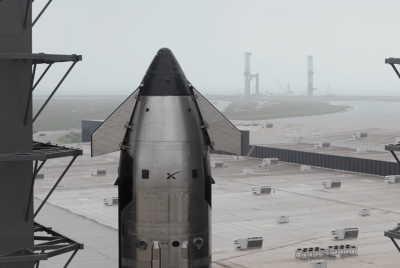
The reliance on private sector engineering was highlighted further by recent launch activities. SpaceX carried out the 13th flight test of its flagship Starship rocket from its headquarters in Starbase, Texas.
According to Musk, this latest launch featured intentionally higher acceleration as engineers sought to rigorously test the thermal heat shields of the massive spacecraft.
This type of rapid iteration strategy is critical for the space agency to meet its impending deadlines. The physical hardware must still endure the harsh environment of deep space travel, underscoring the significant role commercial enterprises like SpaceX play in the lunar programme.
© Copyright IBTimes 2025. All rights reserved.
- Recommended For You