

Democrats Move to Block Trump $1 Coin Minting with New 'Change Corruption' Act
Democrats seek to block a Trump $1 coin with the new 'Change Corruption' Act.
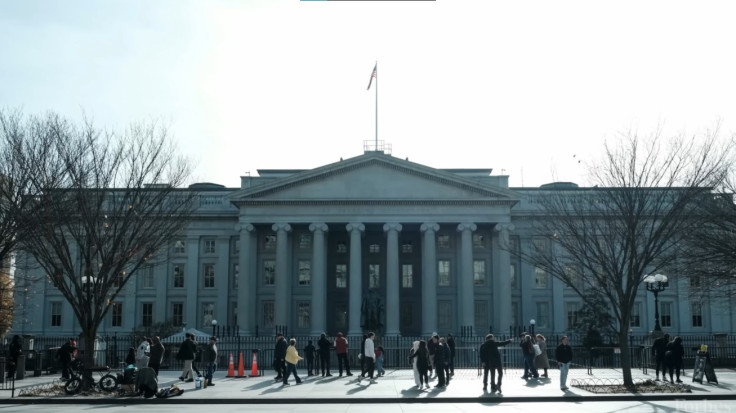
Democratic senators have introduced legislation to prohibit the United States Mint from striking a commemorative coin featuring the likeness of President Donald Trump, citing concerns that the move would erode democratic norms.
The proposed 'Change Corruption Act' aims to enforce a long-standing prohibition against depicting living officeholders on currency, a tradition dating back to the founding of the republic.
The Semiquincentennial Controversy
The legislative push follows the release of draft designs by the US Mint on 18 November for a semiquincentennial $1 coin, intended to mark the 250th anniversary of American independence in 2026.
Observers noted that, unusually, all three designs include a portrait of Trump on the front.
That move triggered immediate concern among Democratic senators, led by Jeff Merkley and Catherine Cortez Masto. In a letter to Scott Bessent, the Treasury Secretary, they warned that such a coin would violate a 'time-honoured tradition' and could create the appearance of monarchy or a 'cult of personality.'
'A portrait of President Trump is the only ... proposed design option ... all but confirming the US Mint intends to mint a circulating coin with a portrait of President Trump while he is in office,' the senators wrote.
They argued that placing a living, current President on US currency would undermine the historical purpose of the semiquincentennial coin, which is meant to honour 250 years of American history, not the tenure of one individual.
Treasury Defence and Public Trust
According to the initial announcement, the coin was envisioned as a collector's issue rather than a widespread circulating currency.
In defending the proposal, a Treasury spokesperson said the first draft 'reflects well the enduring spirit of our country and democracy, even in the face of immense obstacles.'
But for the senators behind the Change Corruption Act, that defence only reinforces the need for clear rules. They contend the special coin could set a dangerous precedent, making it easier for future sitting presidents to effectively embed themselves in the nation's currency infrastructure.
Broader Context: Ethics, Legacy, and Democratic Norms
This controversy comes amid wider scrutiny of political corruption and ethics. The same senators leading the push against the Trump coin have also backed legislation like the End Crypto Corruption Act and the COIN Act, aimed at banning elected officials—including the President—from profiting off cryptocurrencies or digital assets while in office.
Supporters argue such laws are vital to protecting democracy from the appearance of personal enrichment or influence trading. As one Senator put it, allowing a living President's face on currency could blur the line between honouring national history and celebrating personal legacy.
Critics, meanwhile, may dismiss the dispute as a minor aesthetic squabble. Yet, the symbolism of currency carries significant weight for many Americans. Currency carries weight beyond its monetary value: it reflects national identity, values and collective memory.
Legislative Outlook
If the Change Corruption Act is passed, the Treasury would be barred from minting any $1 semiquincentennial coins featuring Trump—or any other living President. That would preserve the long-standing separation between living officeholders and the country's money.
For the ordinary citizen, it would mean that future commemorative coins retain their role as neutral national symbols. And for the political establishment, it would reaffirm that currency remains a public institution, not a personal legacy project.
Whether the bill succeeds remains uncertain. But its very introduction has already sparked a debate over how America chooses to represent itself, especially during a landmark anniversary.
© Copyright IBTimes 2026. All rights reserved.