

Elon Musk Mocked Binance After Its Six-Billion-Dollar Hack While Cofounder Changpeng Zhao Had Two Words
An undated account describes Zhao's appeal to Musk, but the alleged theft and reported X posts remain unverified
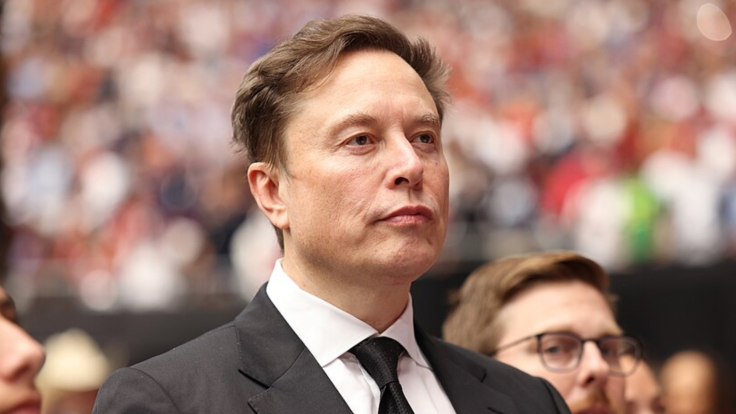
An undated report describes Binance hack claims involving an estimated $6.3 billion (approximately £4.70 billion) in losses and an exchange on X in which Binance co-founder Changpeng Zhao urged Elon Musk to halt his commentary. The report does not establish when the alleged breach or posts occurred.
Binance had already pledged to cover users losses before Zhao appealed to Musk, according to the account. It also attributes to Zhao a separate comment suggesting that losses could exceed earlier estimates, without dating those assessments.
The material contains no original posts, dated company statement or technical findings substantiating the alleged theft and exchange. The breach allegation, loss estimate and authenticity of the attributed messages therefore remain unverified on the evidence supplied.
Binance Hack Claims Draw Zhao's Two-Word Appeal
The account attributes the words 'Everyday is Zeroday' to Musk and describes subsequent posts containing emojis, including a laughing face. It interprets those messages as mockery of Binance and its leadership.
That interpretation is the report's characterisation of the posts. No explanation from Musk of their intended meaning is reproduced.
Zhao's reported response combined an expression of respect with an objection to the timing of Musk's commentary. The account quotes him as writing, 'Elon, have a lot of respect for you, but bad time to troll'.
He reportedly added, 'Please stop'.
His appeal sought support for Binance's efforts to address the reported damage and losses. The account also states that Zhao offered cybersecurity advice and that Musk responded with a laughing emoji, but it does not reproduce the advice.
An emoji reply is described, but the account does not establish whether Musk halted his commentary or provided substantive support. It contains no further statement from him addressing the request for assistance.
Reimbursement Pledge Accompanies Binance Hack Claims
According to the report, Binance stated that it 'will cover' users losses. The assurance concerns coverage of losses attributed to the alleged hack, although the company's original statement is not reproduced in full.
The account separately quotes Zhao as stating that the 'loss might be a bit higher than' earlier estimates. It does not explain how those estimates were calculated or establish the sequence between that comment and the eventual $6.3 billion (approximately £4.70 billion) figure.
No customer total, list of affected assets or account of individual losses appears in the supplied material. It does not explain reimbursement procedures or conditions.
The reported pledge should also be distinguished from evidence of completed payments. The account provides no payment timetable or records establishing whether compensation had been issued, leaving reimbursement progress unresolved.
That gap does not demonstrate that customers remained unpaid. It means the account cannot establish how far Binance had progressed in fulfilling the promise attributed to it.
The customer assurance and Zhao's personal appeal serve different purposes within the reported exchange. Binance's statement addresses users losses, while Zhao's messages seek a different tone from Musk and support for the company's response.
Investment Appeal Adds Context to Binance Hack Claims
Zhao reportedly reinforced his appeal by invoking Binance's investment in Musk's businesses. The account describes investment arrangements and a valuation, but supplies no documents substantiating either.
The request attributed to Zhao was direct. 'Would appreciate if you show a little support. Thanks!'.
The material does not specify what practical assistance he sought. His reference to an investment is presented as part of the appeal, rather than evidence that Musk agreed to assist Binance or undertake any particular action.
Musk's reported wording also does not establish the cause of the alleged breach. The account discusses cybersecurity threats but identifies no entry point, attack method or technical investigation connecting this incident to a particular vulnerability.
Whether a zero-day exploit was involved remains unresolved in the supplied material.
© Copyright IBTimes 2026. All rights reserved.