10 Photos of Supermodel Ashley Graham as She Calls GLP-1 'A Smack in the Face' Over Ozempic Trend
Model reflects on changing beauty standards in Hollywood

Ashley Graham has criticised the rising popularity of GLP-1 weight-loss medications, including drugs such as Ozempic, saying the trend feels like 'a smack in the face' to the body positivity movement.
The supermodel and body positivity advocate made the comments in a Marie Claire interview, where she reflected on how shifting beauty standards in Hollywood and fashion are affecting women's confidence and representation.
Graham also described the renewed focus on thinness as 'disheartening,' pointing to what she sees as a cultural swing away from inclusivity.
GLP-1 and Ozempic Trend Reshaping Beauty Standards
GLP-1 receptor agonists, a class of medications used to manage type 2 diabetes and support weight loss, have become increasingly popular in entertainment and celebrity circles.
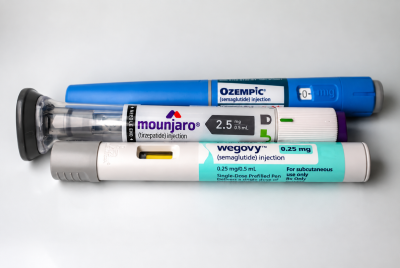
Drugs such as Ozempic have been widely discussed in recent years due to their appetite-suppressing effects and visible weight-loss results, as reported by People.
As their use becomes more mainstream in Hollywood and social media culture, discussions around body image and beauty standards have intensified. Graham's comments reflect growing debate over whether the popularity of GLP-1 medications is shifting attention back towards thinner body ideals, particularly within the fashion industry.


Graham Responds to Changing Body Image Culture
In her interview, Graham addressed the impact of the trend on the body positivity movement, which has long promoted inclusivity and acceptance of diverse body types. She said the shift in focus towards weight-loss medications feels like a reversal of recent progress in how women's bodies are represented.
The model described the situation as part of a wider cultural pattern, suggesting that the industry often moves between different ideals of beauty. She emphasised that while body positivity gained momentum in recent years, the current emphasis on weight loss has created new pressures for women in the public eye.


Body Positivity and Ongoing Representation in Fashion
Despite her concerns, Graham said she does not view the rise of GLP-1 medications as erasing progress made in body diversity. She noted that plus-size women continue to have visibility in fashion and media, and that representation remains present across different platforms.
Graham has built much of her career around promoting inclusivity in fashion and has consistently advocated for better representation of different body types. Her collaborations, including inclusive clothing lines, have aimed to expand access to fashion for a wider range of sizes.
She also pointed out that conversations around body image are ongoing and that the industry continues to evolve, even as trends change.


Broader Conversation on Confidence and Self-Image
Beyond the fashion industry, Graham linked the discussion to wider issues of confidence and self-esteem. She highlighted how social media has allowed a new generation of influencers and creators to share messages of self-acceptance and body confidence.
According to Graham, this shift has helped broaden the conversation around beauty standards, allowing more women to see themselves represented online. She stressed that confidence should not be limited by body size or appearance, and that inclusivity remains an important part of her advocacy work.
Her comments come amid continued debate over the influence of weight-loss drugs on public perceptions of beauty and health, as GLP-1 medications become increasingly visible in both celebrity culture and everyday life.
© Copyright IBTimes 2026. All rights reserved.
- Recommended For You