

Blind Florida Man Accused of Dismembering Woman Offers to Plead Guilty for a Philly Cheesesteak and Fries
Robert Kessler offered to plead guilty in exchange for a cheesesteak, fries and a Pepsi during jury selection. The judge refused to make food a condition of a plea

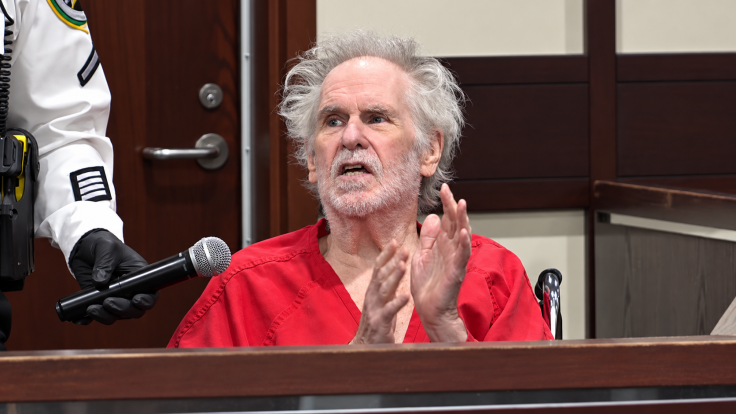
A 74-year-old Florida man accused of killing and dismembering a Pennsylvania woman offered to plead guilty in exchange for a Philly cheesesteak, fries and a Pepsi during jury selection in Tampa on 26 October 2026. Robert Kessler made the proposal to Hillsborough Circuit Judge Nick Nazaretian in the trial over the 2021 death of Stephanie Crone-Overholts, 47. He said the arrangement would save taxpayers the cost of a trial.
Nazaretian refused to make food a condition of a guilty plea. The judge discussed the possibility of an open plea, under which Kessler could plead guilty without a negotiated agreement binding the court to a particular sentence. Kessler indicated he would accept a life sentence if the meal were provided. He faces charges of first-degree murder and abuse of a dead body. He did not enter a guilty plea during the exchange.
The Cheesesteak Offer and the Judge's Response
The exchange took place as jury selection was under way. Kessler asked for a Philly cheesesteak and fries, then specified onions and mayonnaise on the sandwich. He also requested a Pepsi. His offer was framed as a way to end the case and avoid the expense of a trial, but Nazaretian would not link the meal to a plea.
The judge described the proposal as 'wrong in a thousand ways'. He said he could guarantee Kessler lunch that day but could not promise the requested meal in exchange for an admission of guilt. The exchange did not produce a plea agreement. Kessler then asked the court to select the jury, and the case proceeded towards trial.
What Prosecutors Allege Happened to Stephanie Crone-Overholts
Crone-Overholts, a 47-year-old mother of three originally from Erie, Pennsylvania, was identified after fishermen discovered a human leg in McKay Bay, near Tampa, on 11 November 2021. Investigators identified her through a tattoo featuring three hearts and the names of her sons, Sean, Greg and Zach. The discovery led to an investigation into her death and the circumstances surrounding the recovery of her remains.
Prosecutors allege Kessler met Crone-Overholts in a McDonald's car park about 10 days before the remains were found and offered her a place to stay at his home in Lutz, north of Tampa. The prosecution's account alleges that he later stabbed her, dismembered her body and disposed of the remains in the bay. Those claims remain allegations and must be assessed against the evidence presented in court.
Prosecutors have cited witness accounts from people who said they saw a man matching Kessler's description throwing bags into the water. They have also referred to blood evidence investigators reportedly found at Kessler's home. Earlier reporting described blood in Crone-Overholts' car. The prosecution must establish the relevance of that evidence to the charges; its existence alone does not establish Kessler's guilt.
Kessler's public defender, Maria Dunker, challenged the prosecution's case in her opening statement. She argued that the evidence did not establish how and when Crone-Overholts died or show that Kessler was responsible. The defence disputes the prosecution's account, leaving jurors to assess the evidence and arguments presented by both sides.
Kessler's Blindness and Changes in Legal Representation
The case has been before the court for several years. On 26 October, during the proceedings in which he made the cheesesteak offer, Kessler said he wanted to represent himself. The following day, he reversed that decision and returned to Dunker. The charges remained unresolved as the trial proceedings continued.
Kessler is legally blind. On 27 October, he also told Nazaretian that he did not want to remain in the courtroom. The judge warned that staying away could limit Kessler's ability to help Dunker respond to testimony or identify details relevant to his defence.
Nazaretian said jurors would be instructed not to treat Kessler's absence as evidence of guilt or innocence. He said he would check by video link twice daily whether Kessler still wished to remain at the jail during the trial. The arrangement left open the possibility that Kessler could reconsider and return to the courtroom while the case continued.
© Copyright IBTimes 2026. All rights reserved.