Inside the $20M Mount Everest Scam: 32 Charged Over Baking Soda 'Poisoning' and Fake Helicopter Rescues
Authorities charge 32 individuals in a massive insurance fraud scheme involving fake rescues on Mount Everest

Annually, Mount Everest receives approximately 58,000 to 60,000 trekkers, and between 800 and 1,200 climbers attempt to summit the highest mountain in the world.
However, Nepal's prestigious trekking industry has been rocked by a scandal as authorities charged 32 individuals in connection with a systematic £15.7 million ($20 million) insurance fraud.
The scheme, which reportedly involved lacing trekkers' food with baking soda to induce illness, has exposed a dark network of collusion between trekking agencies, private helicopter firms, and medical facilities.
The 'Poisoning' on Mount Everest
Mount Everest guides have allegedly been lacing tourists' food with baking soda or excessive doses of altitude medication to trigger severe gastrointestinal distress that mimicked altitude sickness or food poisoning.
These symptoms, which mimic life-threatening altitude sickness, were then used to coerce terrified hikers into costly 'emergency' helicopter evacuations. According to the Central Investigation Bureau (CIB), the fraud was as calculated as it was dangerous. With this, the operators use forged medical and flight documents to bill international travel insurers for the cost.
'It is a simple strategy: a traveller is sick and led to believe that a helicopter rescue would be the only way to avoid dying on the mountain,' noted one investigative report. Once the 'rescue' was called, the financial exploitation began in earnest.
But the Kathmandu Post reported that not all the foreign nationals who come to Nepal for trekking are scam victims.
The Other Method to Fake an Emergency
Aside from the mentioned way to fake an emergency evacuation rescue, the CIB also found another method which involves the tourists themselves, yes, some of them are willing participants.
Those who simply don't want to walk back. After completing a demanding trek — an Everest Base Camp trek, for instance, can take up to two weeks on foot — guides offer an alternative: pretend to be sick, and a helicopter will come. The guide handles the rest.
How does the Scam Work?
Once rescue is called, a single helicopter will carry multiple passengers, but here's the catch: each passenger's insurance company will get a full-price invoice — as if each had their own dedicated flight.
JUST IN: Authorities in Nepal accused Mount Everest guides of poisoning climbers to trigger helicopter rescues in an insurance scam
— Unlimited L's (@unlimited_ls) April 1, 2026
Investigators said guides allegedly put baking soda in food to cause symptoms that mimicked altitude sickness
Police said the groups then arranged… pic.twitter.com/1ubpmsX0Mp
The Kathmandu Post said the scam involves inflating a £3,027 ($4,000) helicopter charter into a massive £9,000 ($12,000) insurance claim.
The fraud continues at the medical facilities, where staff generate discharge summaries by misappropriating the digital signatures of senior physicians—often without their consent or involvement in the cases. Aside from this, one office assistant at Shreedhi Hospital confessed to using his own year-old X-ray from a separate facility to fabricate a trekker's medical history.
Further evidence of the scam includes falsified admission records for tourists who, despite being officially 'undergoing treatment,' were actually seen drinking beer in the hospital cafeteria.
32 Charged for Mount Everest $20M Insurance Scam
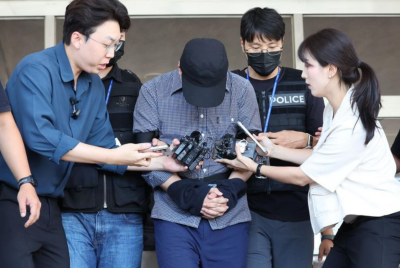
The investigation of the million-dollar scam began in January when six executives from three prominent mountain rescue firms were arrested, as reported by the New York Post. According to reports, the fraud scheme has obtained at least £15.7 million ($20 million) in insurance payouts.
Thirty-two individuals — including trekking agency owners, helicopter operators, and hospital executives — face charges for an organized fraud scheme related to the plot. The ill-gotten gains were then split among the guides, helicopter companies, trekking agencies, and the hospitals where the tourists were taken for fake treatment.
Reports indicated that one company is accused of faking 171 of its 1,248 claimed rescues, leading to approximately £7.6 million ($10 million) in illegitimate payouts.
Another company allegedly fabricated 75 of its 471 claimed rescues, fraudulently claiming at around £6 million ($8 million), while a third is accused of making 71 fake claims worth more than £760,000 ($1 million).
Not the First Mount Everest Scam
Although this massive scam is shocking, the reality is that it is not the first Mount Everest scam to hit Nepal's tourism industry, which supports over 1 million jobs, directly or indirectly, in the country. Several international insurers have halted coverage for trekkers in the country due to the fraud incidents.
In 2018, the government even claimed that the practice had been eradicated, yet the orchestrated fraud persisted.
Manoj Kumar KC, chief of the Nepalese police's specialized organized crime unit, attributed the ongoing crisis to a lack of enforcement. 'The scam continued due to lax punitive action,' he noted. 'When crime goes unpunished, it flourishes—and this insurance scam is no exception.'
Prosecutors are reportedly seeking total fines of £8.60 million ($11.3 million). 'The court is ... giving high priority to this high-profile corruption case,' a court spokesperson said.
© Copyright IBTimes 2026. All rights reserved.
- Recommended For You