

Prince Harry and Meghan Markle Security Costs Should 'Come Out of Their Own Pocket', Royal Expert Says
Lynn Carratt said the alleged school incident highlights privacy concerns but does not justify routine taxpayer-funded security
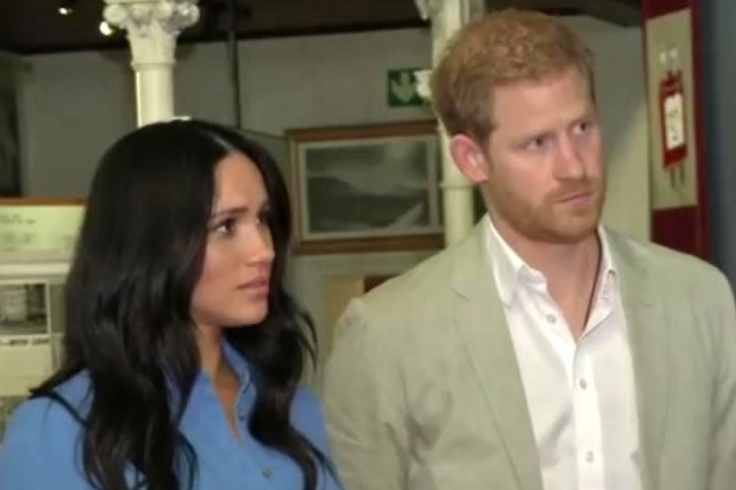
A royal expert has argued that Prince Harry and Meghan Markle should pay for their everyday UK security themselves, amid reports of an incident involving photographers near a school attended by their children. Lynn Carratt said the alleged intrusion highlights genuine concerns over the Sussexes' privacy and protection, but does not mean British taxpayers should fund their routine security.
Prince Harry and Meghan Markle UK Security Debate Follows School Incident
The comments came after reports that photographers were seen near a school linked in reports to the Sussexes' children. A spokesperson for the Duke and Duchess of Sussex described the photographers' alleged behaviour as 'extraordinarily reckless' and called the purported intrusion into the children's privacy unacceptable.
According to reports cited by the Sussexes' spokesperson, two paparazzi were said to be at the scene and appeared to be working together. The reported incident has since been used in commentary about Harry's long‑running concerns over security for his family while they are in the UK.
Carratt told The Express US that the episode strengthens the argument that Harry and Meghan face genuine privacy and security concerns. She said reports of photographers allegedly walking around the school's perimeter and looking in made the need for proper protection more apparent.
That point, however, did not lead Carratt to the same conclusion on who should pay for it.
The royal expert argued that the Sussexes' everyday protection should 'come out of their own pocket'. She pointed to their decision to step back as working royals and to their building a life outside the core royal fold as reasons why British taxpayers should not necessarily carry the cost of their routine security when they are in the UK.
Her position draws a distinction between private life and official royal duties. Carratt said she could understand publicly funded protection forming part of a wider security operation when Harry and Meghan attend an official royal event or appear in a royal capacity.
For the Sussexes' ordinary life in Britain, though, she believes private funding would be more appropriate.
UK Security Concerns Put Focus on Archie and Lilibet
The school incident has particular significance because it concerns Archie and Lilibet, who are young children. The Sussexes' spokesperson's criticism focused on the alleged presence of photographers around a place where the children should be able to attend school without being monitored.
The reported episode also sits within a broader dispute over Harry's security arrangements in the UK. The Duke of Sussex has repeatedly sought greater protection for his family when visiting Britain, including through legal challenges to Home Office decisions.
Harry previously lost a legal challenge concerning a government decision on his publicly funded security. That history helps explain why questions about protection remain closely linked to the Sussexes' public life whenever concerns about paparazzi or privacy emerge.
Carratt nevertheless stopped short of arguing that every security concern should translate into taxpayer-funded protection. Her comments instead separate the question of whether the family may need protection from the question of who should finance it.
That distinction matters because the latest school incident, as described in the available reporting, concerns an alleged intrusion rather than a confirmed attack or physical threat. The reports do not establish what security measures were in place at the school or whether the photographers faced any legal action.
It also does not independently establish the photographers' intentions. Claims about what they were doing remain part of the reported account surrounding the incident, rather than findings of any court or authority.
For now, the argument is therefore less straightforward than simply deciding whether Harry and Meghan need security. Carratt accepts that the school episode demonstrates why the couple has concerns, particularly when their children are involved, while maintaining that everyday protection should be privately financed.
The Sussexes' position is more direct. Their spokesperson described the reported behaviour as an unacceptable intrusion, underscoring how sensitive security and privacy remain for the family.
For Archie and Lilibet, the issue is especially personal. For Harry, it is also tied to a dispute over protection that has already reached the courts. And for British taxpayers, Carratt's view is clear enough: private security should be paid privately.
The disagreement over that principle is unlikely to disappear simply because the cameras did.
© Copyright IBTimes 2026. All rights reserved.