Prince Harry Allegedly Claims Uncle Andrew's Masked Harasser 'Validates' UK Security Fears
Prince Harry reportedly sees the alleged masked harassment of Prince Andrew near Sandringham as fresh evidence that royals remain exposed to security risks in Britain.

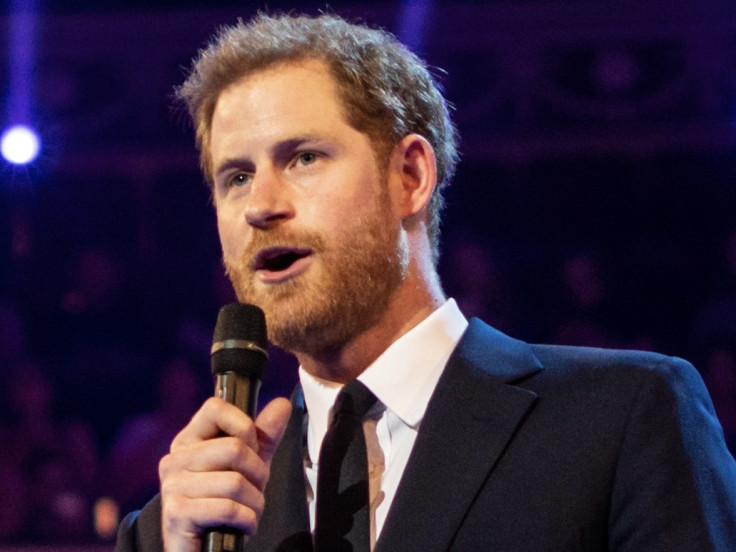
Prince Harry has reportedly told friends that the recent harassment of his uncle, the former Prince Andrew, by a masked man near Sandringham Estate in Norfolk shows his long‑running security concerns in the UK were justified.
According to US journalist Rob Shuter, the Duke of Sussex believes the alleged incident 'validates' his fears about the risks faced by high‑profile royals on British soil. This is after Norfolk Police confirmed that officers were called last Wednesday to a village near Sandringham following reports that 'a man was behaving in an intimidating manner'.
Andrew, now living at Marsh Farm on the King's Norfolk estate after leaving Royal Lodge, was said to have been out walking his dogs when the incident occurred. A man was later arrested and charged.
Prince Harry, 41, lost taxpayer‑funded police protection in the UK when he and Meghan Markle stepped back as senior working royals in 2020 and moved to California. Since then, he has launched legal action over the Home Office decision and repeatedly argued that his status as a high‑profile target did not vanish with his royal role. His visits back to Britain have been brief and tightly managed, with security arrangements regularly drawing more attention than the engagements themselves.
Security Fears Revived
Shuter reported on his Naughty But Nice Substack that a source close to Harry said the Duke was 'horrified' when he heard what allegedly happened to Andrew Mountbatten Windsor near the Sandringham estate. The same source claimed Harry was struck by how close the masked man came to his uncle.

'If someone can get that close to Andrew near a royal estate, then nobody is truly protected anymore,' the insider was quoted as saying.
Another source told Shuter that Harry has been using the incident in conversations as a stark example of the vulnerabilities he has been pointing to for years. 'Harry believes this validates everything he's been saying,' the source claimed. 'He keeps asking what stops the same thing from happening to Meghan or the children.'
Case Puts Risk In The Spotlight
Norfolk Police said, via People magazine, that a 39‑year‑old man, named in court as Alex Jenkinson, has been charged with two counts of using threatening, abusive or insulting words or behaviour with intent to harass, cause alarm or distress. He was also charged with failing to provide a blood specimen while in custody.
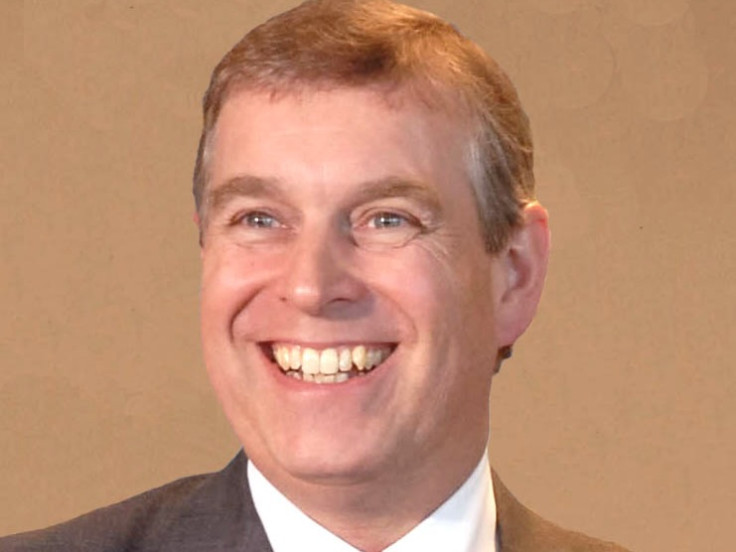
Jenkinson appeared at Westminster Magistrates' Court, where he pleaded not guilty to the harassment‑related offences but admitted failing to provide a specimen. He was released on conditional bail. According to the BBC, he is due back at the same court on 29 July, when Andrew is expected to give evidence.
Police have not publicly detailed what was said or done during the alleged confrontation, nor precisely how close Jenkinson came to the 66‑year‑old royal. There is no suggestion that weapons were involved. Yet for a family that has long relied on visible and robust policing around its private estates, the optics are unsettling.
What the episode does underline, and what Harry appears to be seizing on, is the broader question of how Britain protects its most recognisable figures once they fall out of official favour. Andrew was stripped of his HRH style and military titles by King Charles III amid scrutiny of his association with the late convicted sex offender Jeffrey Epstein. He has consistently denied wrongdoing and maintains his innocence, but his public role has vanished.
One source quoted by Shuter stressed that Harry's concern does not extend to defending his uncle's reputation. 'Harry does not defend Andrew personally,' they said, highlighting the deep reputational gulf between the two men. 'But he believes royals are permanent high‑risk targets regardless of public opinion.'
That argument lies at the heart of Harry's ongoing battle with UK authorities over security. In legal filings and occasional interviews, he has framed his position as a question of duty of care rather than privilege, pointing to online threats and his own history in Afghanistan.
The alleged harassment of Andrew near Sandringham now offers a concrete, if limited, example of the sort of breach he has warned about, even if there is still no evidence that the man involved posed a lethal danger.
For the Home Office and police forces who insist decisions on royal protection are made through formal risk assessments, the Jenkinson case may end up being a footnote rather than a turning point. For Harry, watching from California, it appears to have landed rather differently.
© Copyright IBTimes 2026. All rights reserved.
- Recommended For You