

Hasan Piker Sues CNN's Scott Jennings for $72.5m Over Allegedly False Claims He Supported Lynchings
The political streamer alleges that Jennings' broadcast stripped context from sarcastic remarks and added a caption he never uttered, claims that have yet to be proven in court
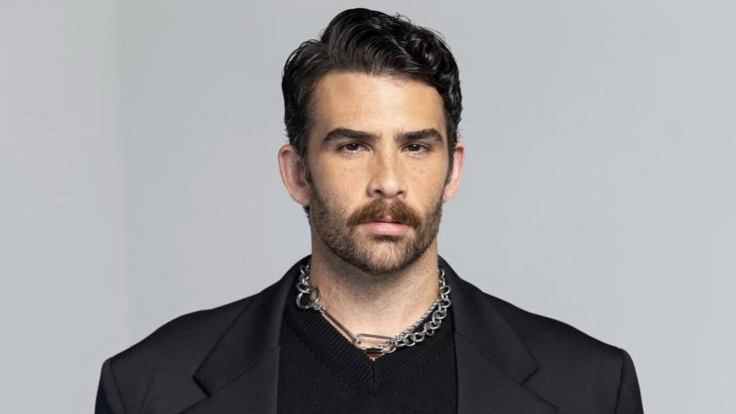
Political streamer Hasan Piker has filed a $72.5 million defamation lawsuit against conservative commentator Scott Jennings, alleging that an edited video misrepresented his remarks and falsely portrayed him as advocating the lynching of Black Americans.
Filed on 27 October 2026 in the US District Court for the District of Columbia, the complaint seeks $27.5 million in compensatory damages and $45 million in punitive damages over Jennings' 11 August broadcast of The Scott Jennings Show.
Piker alleges that the video removed crucial context, making sarcastic remarks appear to endorse racial violence. Jennings had not responded to media requests for comment at the time of reporting.
Disputed Video Aired on Jennings' Programme
According to Forbes, Jennings played a 42-second clip while discussing Piker's political influence and his association with Abdul El-Sayed, a Democratic candidate for the US Senate in Michigan.
Jennings described Piker as a 'radical socialist streamer' and referred to a 'Piker plan of returning our country to lynchings' He also accused Piker of calling for Black voters to be lynched, according to reports.
Piker's complaint alleges that these statements falsely portrayed him as advocating racial violence. Forbes reported that the segment, which was also shared on X, had attracted approximately 2.7 million views.
Lawsuit Alleges Video Removed Crucial Context
The footage reportedly originated from Piker's October 2024 Twitch livestreams, in which he reacted to a debate between two Black political commentators.
According to Forbes, Piker was sarcastically mocking a conservative commentator who had criticised progressive prosecutors and blamed policies associated with 'woke DAs' for harming Black Americans.
The lawsuit alleges that the 42-second video combined clips from three separate livestreams, rearranged Piker's remarks and omitted the debate he was responding to, making his comments appear to reflect his own views.
His lawyers argue that the edit removed the opening words 'He said', which indicated that Piker was repeating another commentator's argument. The complaint also alleges that Jennings displayed a caption reading, 'Let's go back to a better time when lynchings were happening', falsely presenting the words as a direct quotation from Piker.
The complaint states: 'Mr. Jennings did not merely mischaracterise something Mr. Piker said. He took a false, fabricated, and manipulated video of Mr. Piker, added a made-up quotation that Mr. Piker never uttered, and then made accusations that went beyond even what the manipulated footage purported to show.'
Piker is pursuing claims of defamation, defamation by implication and false light. The allegations remain unproven, and the court will assess the footage and Jennings' statements as the case proceeds.
Piker Says Case Concerns Media Accountability
Piker discussed the lawsuit during a Twitch livestream on 27 October, saying the case concerned truth and accountability in the media.
'This is about truth in the media,' he said, according to The Washington Post, adding that he believed Republicans had been allowed to make misleading statements without sufficient accountability.
The complaint alleges that Jennings' broadcast harmed Piker's reputation and professional interests, including his ability to earn a living through his online platforms. His lawyers had sought a retraction, but the disputed statements had not been corrected by the time of the reported filing.
Legal Proceedings and Potential Outcome
Piker's complaint asserts claims for defamation per se, defamation by implication and false light. Jennings will have the opportunity to respond and raise any applicable defences.
Under US defamation law, public figures generally must prove actual malice where that standard applies, meaning the defendant knew a statement was false or acted with reckless disregard for its truth. The court may also consider whether the challenged statements were actionable factual assertions or protected opinion.
The $72.5 million sought is a damages claim, not a court award. The case remains unresolved, and the outcome will depend on the evidence and applicable legal standards.
© Copyright IBTimes 2026. All rights reserved.