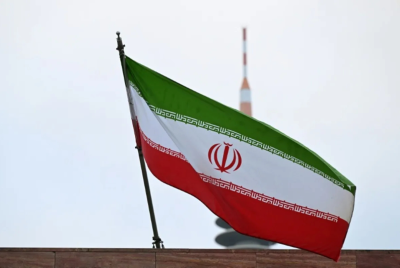
Iran Sets New Hormuz Demand: Trump and Netanyahu Must Be Removed From Power, Senior Adviser Says
Mohammad Bagher Zolghadr's call appears to go beyond earlier conditions for reopening the waterway, as Trump says Tehran wants a deal to end the war
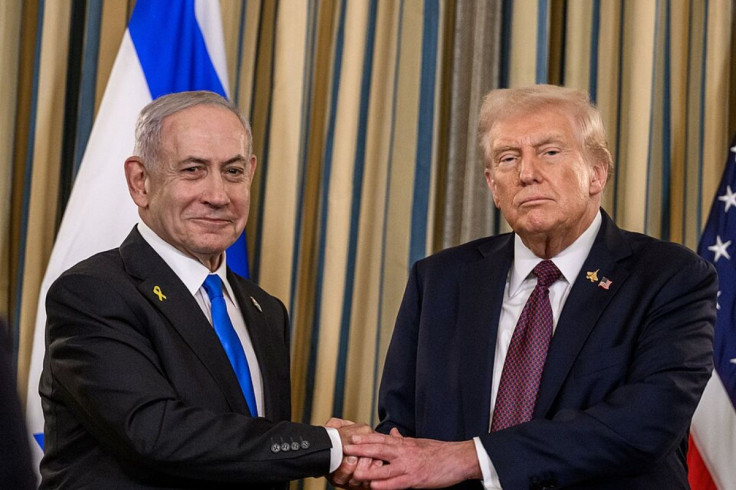
A senior adviser to Iran's supreme leader has said the Strait of Hormuz should remain closed until Donald Trump and Benjamin Netanyahu are removed from power, sharply escalating Tehran's public demands as Washington talks up hopes of ending the nearly seven-month war.
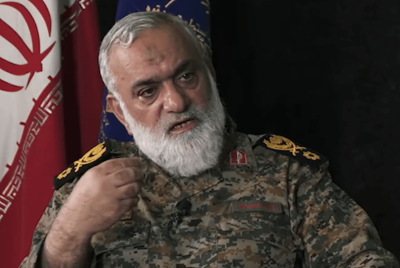
Mohammad Bagher Zolghadr, political adviser to Supreme Leader Ayatollah Mojtaba Khamenei, made the statement marking 200 days of what he described as Iranian resistance against its enemies.
'Our fighters will not open the Strait of Hormuz until the criminal Trump and the bloodthirsty Netanyahu are pulled down from the throne of power,' Zolghadr said, calling that the first stage of Iran's revenge.
Adviser Raises the Stakes Over Hormuz
Zolghadr invoked Iranians killed since the conflict began, including civilians in Minab and Lamerd, as he argued that the country would continue resisting the United States and Israel.
Iranian-linked channels and market news services reported the statement, citing Tasnim. His latest language goes considerably further than the conditions he outlined in August, when he said Washington would have to end military action, withdraw forces from around Iran, lift sanctions, release frozen Iranian assets and pay compensation before the strait could fully reopen.
Zolghadr no longer runs Iran's Supreme National Security Council. Mohsen Rezaei replaced him in August and was later appointed political adviser to Khamenei.
It remains unclear whether his demand for Trump and Netanyahu to leave power represents a formal new negotiating position from the Iranian government or his own political message.
Trump Says Iran 'Wants to Make a Deal'
The declaration came as Trump struck a dramatically more optimistic tone about ending the conflict.
'Well, hopefully we are towards the end of the war,' Trump told reporters in North Carolina on Wednesday. 'They want to make a deal. We'll see how that works out.'
Trump also claimed Washington had heard from Tehran 'directly', although Tehran has not publicly confirmed renewed direct negotiations. Reuters reported on Thursday that no US-Iran negotiations to end the war had taken place since an interim agreement collapsed in June.
The war began on 28 February with joint US and Israeli strikes on Iran, followed by Iranian attacks on Israel and Gulf states hosting American forces.
Strait of Hormuz at the Heart of Economic Crisis
The Strait of Hormuz has become one of the conflict's most important pressure points. Before the war, roughly one-fifth of global oil and liquefied natural gas passed through the narrow waterway. Shipping volumes remain heavily disrupted, helping drive energy prices higher worldwide.
The regional energy picture has been further complicated by attacks on Saudi infrastructure and renewed fighting involving Yemen's Iran-aligned Houthis.
Trump is expected to meet Gulf leaders on the sidelines of the UN General Assembly in New York next Tuesday to discuss the war and possible post-conflict arrangements. Leaders or senior officials from Saudi Arabia, the UAE, Qatar, Bahrain, Kuwait and Oman are expected to take part.
Zolghadr's intervention, however, illustrates the gulf that remains between optimistic talk from Washington and hardline rhetoric in Tehran.
© Copyright IBTimes 2026. All rights reserved.
- Recommended For You