Iran Flatly Denies Trump's Claim Talks Start Today, Says It Is Only Negotiating With Oman
Iran and Oman discuss temporary shipping route amidst US-Iran tensions

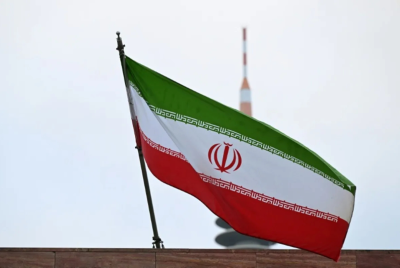
Iran has rejected President Donald Trump's claim that direct negotiations with Washington are under way, saying its current diplomatic discussions are limited to Oman and focus solely on shipping through the Strait of Hormuz.
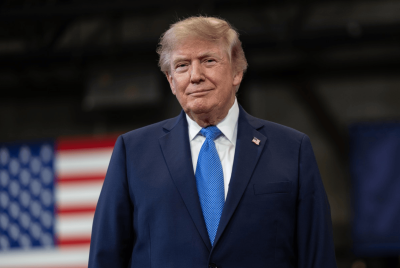
The disagreement emerged after Trump told reporters aboard Air Force One on Sunday that talks with Iran were scheduled to begin the following day and suggested a broader agreement could be close.
Iran's Foreign Ministry, however, disputed that account, saying no direct negotiations with the United States are currently taking place.
Iran Says Current Talks Are Limited to Oman
Speaking on Monday, Foreign Ministry spokesperson Esmaeil Baqaei sought to clarify Tehran's position. 'To avoid any misunderstanding, it is important to clarify what the current negotiations are about and who they are with. We are not negotiating with the United States at this time,' Baqaei said.
According to Baqaei, Iran's discussions are instead taking place with Oman and focus on establishing a temporary shipping arrangement through the Strait of Hormuz.
He described the talks as 'constructive discussions' that have continued over the past eight days. Iran says the proposal would establish a temporary navigation route for vessels travelling through the strategically important waterway while longer-term arrangements are considered.
Baqaei said the proposed arrangement would apply to both inbound and outbound commercial shipping rather than creating separate transit lanes. He added that the agreement would likely remain temporary until a more permanent framework could be negotiated.
Iran has also maintained that vessels using the Strait of Hormuz should follow routes designated by Iranian authorities, obtain permission and pay applicable service fees. Neither Oman nor US officials have publicly confirmed details of the reported discussions.
Trump Says Broader Agreement Is Close
Trump presented a different picture of the diplomatic situation. Speaking aboard Air Force One, the president said negotiations with Iran were expected to begin on Monday afternoon and claimed 'a deal is imminent.'
He also said he had cancelled planned US military strikes against Iran. According to Trump, the proposed agreement would include the 'Immediate, Complete, and Total OPENING OF THE HORMUZ STRAIT' and eventually address Iran's nuclear programme.
Trump did not identify which countries were participating in the reported negotiations or provide additional details about the proposed agreement. Iran has not publicly confirmed Trump's description of the discussions.
Strait of Hormuz Remains the Pressure Point
The Strait of Hormuz remains one of the world's most strategically significant maritime routes.
Before the conflict began, roughly one-fifth of global oil and liquefied natural gas shipments passed through the narrow waterway, making any disruption a major concern for global energy markets.
The ongoing conflict has contributed to volatility in energy prices and increased international attention on efforts to maintain commercial shipping through the region.
Baqaei indicated that Iran does not expect conditions in the strait to return to how they were before the conflict began on 28 February, suggesting Tehran continues to view shipping arrangements as part of a broader security issue.
Military Conflict Continues Alongside Diplomatic Claims
The diplomatic disagreement comes as fighting between US and Iranian forces continues, with military operations now approaching their sixth month. The United States maintains a significant military presence across the Middle East, while both governments continue to exchange warnings over possible future escalation.
Although Trump has suggested diplomatic progress may be close, Iran's latest statement indicates that any current negotiations remain narrowly focused on maritime transit rather than broader political or nuclear issues.
For now, the two governments continue to present markedly different accounts of the current diplomatic landscape, leaving the status of any potential US-Iran agreement uncertain.
© Copyright IBTimes 2026. All rights reserved.
- Recommended For You