

Trump Admits He Would 'Love' to Run Again in 2028 but the Constitution Stands in His Way
Behind his confident talk of winning again, Miranda Devine says Trump has accepted that his campaigning days are numbered
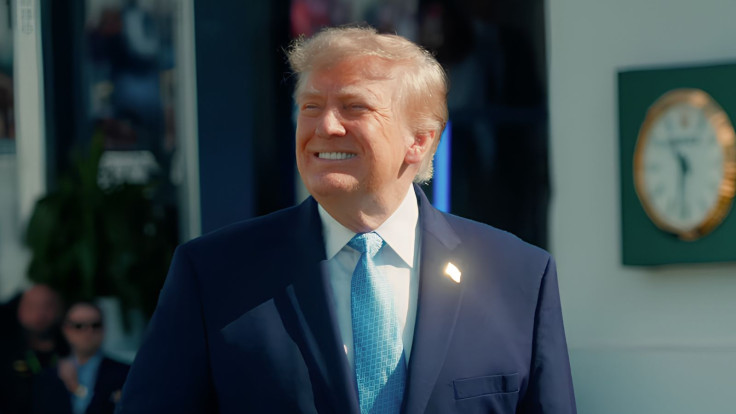
Donald Trump has said he would 'love' to run for president again in 2028, while acknowledging the constitutional restriction preventing him from being elected a third time. Having been elected in 2016 and 2024, he has reached the 22nd Amendment's two-election limit.
The remarks came as Trump reflected on his political rallies, with interviewer Miranda Devine saying he appeared nostalgic about the events. She said he had 'come to terms with the fact that he won't be running again', distinguishing his wish from a campaign announcement.
Trump's 2028 Comments Reflect Nostalgia for Rallies
'Look, I'd love to run again if I had the chance,' Trump told New York Post columnist Miranda Devine for her Pod Force One podcast. He continued: 'But the language is very exacting,' before repeating his desire to run.
🚨 IT'S OFFICIAL: President Trump says he'd LOVE to run for president in 2028 🤣
— Eric Daugherty (@EricLDaugh) November 1, 2026
"I'd love to run again if I had the chance, but the language is very exacting. I would love to run. They had a poll the other day where I'd beat everybody by so much!"
"I'd love to run but it's… pic.twitter.com/eVtqVqlZXQ
Devine discussed the exchange during a Sunday television appearance, ahead of the episode scheduled for Monday, 2 November. She described Trump as nostalgic about his rallies and said he had accepted that he would not run again.
Trump also claimed a poll showed him beating everyone by a substantial margin. The reported remarks identified no polling organisation, survey dates, sample size or candidates.
The replies supplied for this article included an account using the name Cassidy, who wrote: 'We have to respect the laws of the country', while Debbie asked: 'What poll?' These individual comments questioned the constitutional implications and polling claim but do not establish wider public opinion.
Earlier Third-Term Remarks Raised a Vance Scenario
In March 2025, Trump told interviewer Kristen Welker he was 'not joking' about another term and said there were 'methods' for achieving it. Welker raised a hypothetical arrangement in which Vice-President JD Vance could run with Trump as his running mate, then resign after taking office to allow Trump to assume the presidency.
Trump acknowledged that as one possible scenario, without establishing a legally viable plan. By 28 October 2025, he said he was 'not allowed to run', following Republican Speaker of the House Mike Johnson's assessment that there was no path to changing the Constitution.
The Constitution Restricts a Third Presidential Election
Section 1 of the 22nd Amendment states: 'No person shall be elected to the office of the President more than twice.' The 12th Amendment also bars anyone constitutionally ineligible for the presidency from serving as vice-president.
Although scholars have debated how the amendments interact, experts interviewed by FactCheck.org described the proposed succession loophole as implausible. It has not been established as a legally viable way to circumvent the restriction.
Changing Term Limits Would Require Broad Support
Under Article V, amendments can be proposed by two-thirds of both congressional chambers or a convention called following applications from two-thirds of state legislatures. Ratification requires three-quarters of the states, through legislatures or conventions, using the method Congress specifies.
The wider interview addressed how Trump would advance his agenda if Democrats regained congressional control in the Tuesday, 3 November 2026 elections. Trump emphasised that more than two years remained in his presidency, describing that as time to get things done.
Democratic Gains Could Challenge Trump
Reuters reported on 19 October that polling favoured Democrats in the House race, while Senate control remained uncertain. These were forecasts, not results, and Trump expressed confidence in the interview that Republicans would retain both chambers.
A Democratic-controlled House could pursue investigations through committee hearings and, where authorised, subpoenas without Democrats also controlling the Senate. A Senate majority would add leverage over presidential nominations, alongside the legislative and budgetary influence that control of both chambers would provide.
'Mr Veto' Strategy Leaves Room for Deals
'I guess I'll become Mr. Veto,' Trump told Devine, suggesting repeated vetoes could lead to negotiations. Senate records list two vetoes during his second administration, compared with 10 during his first.
Overriding a veto requires two-thirds of members voting in each chamber, provided a quorum is present, rather than ordinary Democratic majorities. Trump nevertheless left open a negotiated response: 'And then at some point, we'll probably make deals.'
© Copyright IBTimes 2026. All rights reserved.