Japan's Pandas Are Returning To China – Panda Diplomacy Explained
Japan's last two giant pandas, Xiao Xiao and Lei Lei, will return to China in January 2026
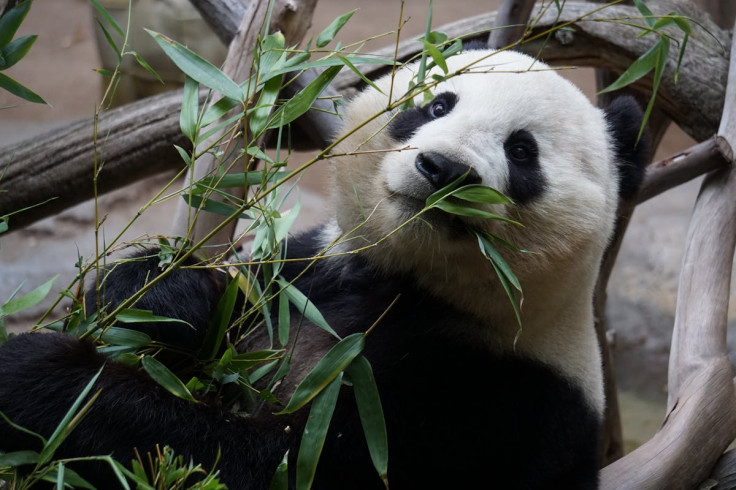
Japan is set to lose its last two giant pandas for the first time since 1972, as the twin cubs Xiao Xiao and Lei Lei prepare to return to China in late January 2026. The departure ends more than 50 years of continuous panda exhibitions in the country and marks the closure of a long-running cultural connection between Japan and the species.
The pandas, housed at Tokyo's Ueno Zoo, were born to parents Shin Shin and Ri Ri in June 2021. Like all giant pandas outside China, they are owned by the Chinese state and were on loan under a long-term agreement. Their return follows the original loan terms, although Japanese authorities announced the date slightly earlier than scheduled, with the final public viewing set for 25 January 2026.
Beyond their status as beloved animals, the departure carries diplomatic significance. Panda loans have historically been used as instruments of soft power, and the timing comes amid heightened tensions between Japan and China over regional security issues.
Pandas to Return to China
Under the loan agreement, all pandas and any offspring are returned to China at the end of their contract. Ueno Zoo officials said the decision reflects logistical planning and contractual obligations rather than any abrupt political move. Nevertheless, the timing has drawn attention given recent statements by Japanese leaders regarding potential responses to a conflict over Taiwan, according to the Tokyo Weekender.
Thousands of visitors have flocked to the zoo for a final glimpse, with reservation systems and queues in place to manage demand. The public's emotional attachment to the pandas highlights their role in Japanese popular culture over the past five decades, according to AP News.
Understanding Panda Diplomacy
Panda diplomacy refers to China lending giant pandas to other nations as a symbol of friendship and goodwill. The practice began in the 1950s and 1960s through outright gifts and later shifted to long-term loans in the 1980s. Host countries typically pay fees and agree to care for the animals while any cubs are returned to China's breeding programmes, according to Asahi.
The animals' presence has often coincided with diplomatic milestones, such as embassy openings or strengthened bilateral relations. While the strategy is now less overtly political, analysts note it continues to serve as a symbol of China's soft power. Financial Times reported that the withdrawal of pandas has sometimes been interpreted as reflecting political tensions, even when official statements emphasise routine contractual obligations.
Tokyo's Ueno Zoo is famous for its pandas. It's due to return its current two pandas to China in January, but because of Prime Minister Takaichi's recent remarks about defending Taiwan, an insider is claiming a new panda loan might be "impossible." https://t.co/2t6HZuaJ6m pic.twitter.com/oC7OulWHMk
— Jeffrey J. Hall 🇯🇵🇺🇸 (@mrjeffu) December 15, 2025
Japan’s last pandas to be returned to China
— RT (@RT_com) December 15, 2025
Lei Lei and Xiao Xiao were born in a Tokyo zoo, however are under loan as part of China’s ‘panda diplomacy’ which symbolized friendship between Beijing and Tokyo since normalizing ties in 1972
The ‘friendship’ has since soured pic.twitter.com/w8Ihi4zqfn
The Japanese media is reporting that it is unlikely that China will agree to loan Tokyo new pandas after Ueno Zoo's current 2 pandas are returned to China next month, so many people are lining up to see what could be the last pandas in Japan.pic.twitter.com/DyveSHI3rH https://t.co/sqgIx9iEkt
— Jeffrey J. Hall 🇯🇵🇺🇸 (@mrjeffu) December 17, 2025
Conservation and Cultural Exchange
Panda loans also support conservation and scientific collaboration. Japan contributes financially and technically to the care and breeding of the animals, while Chinese experts frequently participate in veterinary and husbandry roles. The current departure does not affect broader international loan programmes, which continue in countries such as France.
Japanese officials have indicated that future panda loans remain possible if diplomatic relations improve and agreements are renewed. In the meantime, the absence of pandas underscores the symbolic weight they carry as cultural and diplomatic icons.
The zoo in Japan brings the panda's favorite red leaves to its cage to boost its morale. It's really impressive to watch the panda's happiness after this treat. 🥰
— Tansu Yegen (@TansuYegen) April 2, 2025
pic.twitter.com/5rWZ27rbn2
The return of Xiao Xiao and Lei Lei marks the end of an era for Japan, combining animal conservation, cultural significance, and international diplomacy. While rooted in long-standing agreements, their departure comes at a time of increased attention on Japan–China relations, highlighting how a single species can embody broader geopolitical narratives.
© Copyright IBTimes 2026. All rights reserved.
- MOST POPULAR IN World