

Jensen Huang Moved $10.5B in NVIDIA Stock Into a Family Trust Months Before His Downfall, Potentially Avoiding Estate Tax
The filings do not publicly disclose its beneficiaries, but the trust is believed to benefit Huang's children

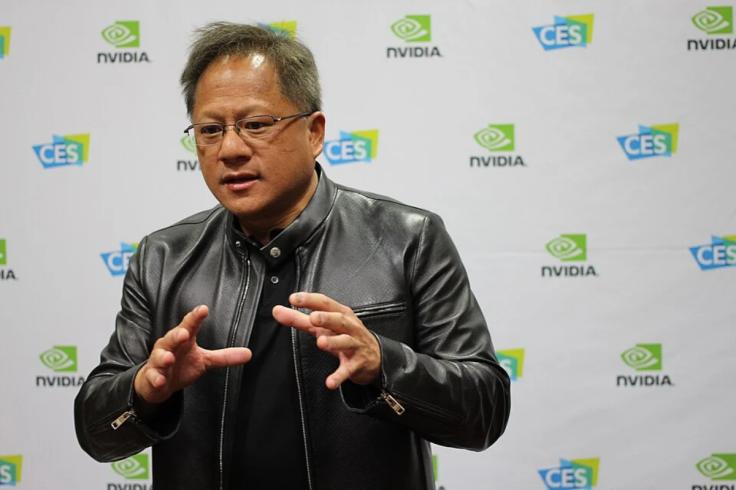
NVIDIA former CEO Jensen Huang and his wife, Lori Huang, transferred nearly 59 million shares of the chipmaker, worth over $10.5 billion, into an irrevocable family trust in March 2026, completing a decade-long estate-planning strategy that turned an initial $51 million investment into a multibillion-dollar fortune.
The transfer involved NVIDIA shares distributed by two grantor-retained annuity trusts established by the couple in 2016. The trusts terminated on 18th March, with each transferring 29.48 million shares to the Huang Irrevocable Remainder Trust.
The shares were transferred as gifts without consideration, rather than sold on the open market. Jensen Huang serves as a trustee of the receiving trust, which held around 109 million NVIDIA shares following the transaction.
Taking Estate-Planning to the Next Level
The arrangement dates back to March 2016, when Jensen and Lori Huang established four grantor-retained annuity trusts using NVIDIA shares.
Two of the trusts had four-year terms, while the other two were structured to run for 10 years. The latter arrangement was considerably more unusual because of the uncertainty involved in predicting a company's performance over such an extended period.
GRATs are estate-planning vehicles designed to transfer future asset appreciation to beneficiaries while potentially reducing federal gift and estate tax exposure.
Under the arrangement, the person establishing the trust receives annuity payments over a predetermined period. Any remaining appreciation above the applicable IRS hurdle rate can pass to beneficiaries at the end of the trust term, potentially with little or no taxable gift value when the trust is established.
The strategy can be particularly lucrative when the underlying assets appreciate substantially. However, it carries risks: insufficient investment growth can leave little or nothing for beneficiaries, while the grantor's death during the trust term can undermine the intended estate-tax benefits.
In the Huangs' case, NVIDIA's extraordinary stock-market performance transformed the original investment. NVIDIA shares surged 22,161% over the decade, turning the approximately $51 million initially committed to the two 10-year trusts into more than $10.5 billion.
Trust and estates attorney Joshua Caswell described the transaction as evidence of someone who had considerable confidence in himself and his company without knowing when a major liquidity event might occur.
Who Benefits From the $10.5 Billion NVIDIA Share Transfer
The filings identify the receiving entity as the Huang Irrevocable Remainder Trust but do not publicly disclose its beneficiaries. However, Barron's reported that the trust is believed to benefit the couple's children, Spencer and Madison Huang.
Both have previously worked at NVIDIA. Spencer held a director-level position in robotics products, while Madison served as a senior director of product marketing.
The March transaction was completed months before Jensen Huang's departure as NVIDIA's chief executive this month. The estate-planning filings do not establish that the transfer was connected to his subsequent departure or the allegations that emerged later.
Despite transferring a substantial number of shares into the family trust, Huang remains NVIDIA's largest individual shareholder, with a substantial remaining interest in the company.
The transaction illustrates how long-term equity ownership, particularly in companies experiencing extraordinary growth, can become a powerful component of multigenerational wealth and estate planning.
© Copyright IBTimes 2026. All rights reserved.