

Jim Cramer's Five-Year Rule: Why You Should Move Money You'll Need Before 2031 Out of Stocks Now
Holding too much cash can weaken long-term retirement growth, making the balance between safety and returns crucial

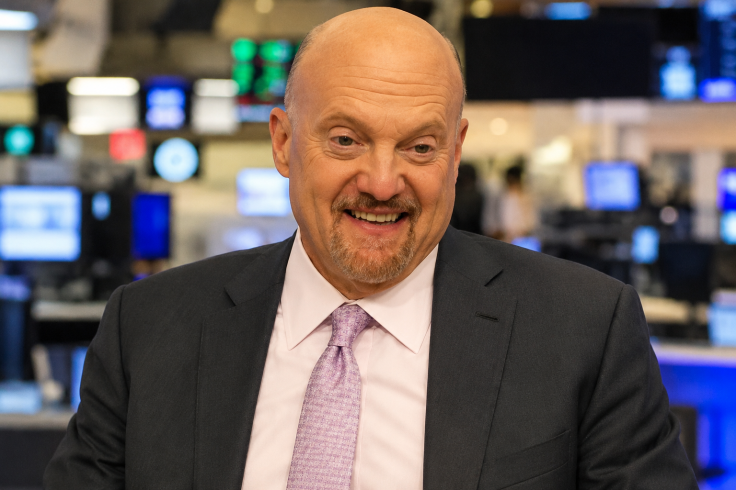
Jim Cramer says money investors expect to need before 2031 may not belong in stocks, reviving a warning he first gave during the 2008 financial crisis. His five-year rule urges investors to protect savings set aside for near-term expenses from market volatility.
Cramer repeated the advice in a special episode released on 21 November 2026, as market fluctuations raised concerns about potential losses. The warning is particularly relevant to retirees and those approaching retirement, who may have limited time to recover from a market downturn before withdrawing money.
Why Jim Cramer Is Revisiting His 2008 Warning
Cramer recalled his advice during the 2008 financial crisis, saying: 'Whatever money you may need for the next 5 years, please take it out of the stock market right now.' The reasoning is straightforward. Stocks can recover from sharp declines, but investors who need cash during a downturn may be forced to sell at depressed prices, reducing the capital available to benefit from a subsequent recovery.
Recent volatility has brought that risk into sharper focus. The CBOE Volatility Index, commonly known as the VIX, closed at 35.89 on 20 November, its highest closing level in a month, before falling to 26.62 on 23 November. The latter figure was still 16.2% higher than a week earlier. For investors facing living expenses, medical bills, or other major costs before 2031, a downturn could mean selling investments at a loss to cover essential spending.
How a Five-Year Reserve Could Protect Retirement Savings
Cramer's rule suggests separating money needed in the coming years from investments intended for long-term growth. Cash, short-term bonds, and Treasury bills can provide relatively predictable access to funds without requiring investors to sell stocks during a downturn. As of 23 November, Treasury bill yields ranged from 4.11% on four-week bills to 4.55% on 52-week bills, with 26-week bills offering 4.49%.
The reserve should reflect individual expenses and income. Retirees can account for pensions and Social Security before calculating how much additional money they may need. The average retired worker's Social Security benefit is estimated to reach $2,071 a month in 2027 following a 3.6% cost-of-living adjustment.
The Risk of Holding Too Much Cash
Keeping money outside stocks can provide stability, but holding excessive cash for too long may limit growth and weaken a portfolio's ability to keep pace with inflation over a retirement that could last decades. The timing of withdrawals also matters. A significant market decline early in retirement can have a greater impact on portfolio longevity when investors continue withdrawing money from depreciating assets.
Financial adviser Wes Moss highlighted the psychological benefit of holding safety assets. Speaking on the Clark Howard Podcast, he said: 'Safety assets allow you to be a better stock investor so you don't panic when markets are down.'
How Investors Can Apply the Rule
Investors could calculate their expected expenses over the next five years, subtract guaranteed income, and gradually build a reserve using cash or short-term Treasury bills. Staggering maturities around anticipated expenses could help manage access to funds. Dividends, required distributions, and portfolio rebalancing after stronger market periods may also help replenish the reserve.
Cramer's five-year rule is not a guarantee against losses or a call to abandon stocks. It reflects a distinction between money needed to meet financial obligations and investments intended to compound over decades. For investors approaching retirement, protecting that distinction could matter more than predicting the market's next move.
© Copyright IBTimes 2026. All rights reserved.