

Who Won the Home Run Derby 2026 and What Was Jordan Walker's Final Score?
Jordan Walker overcomes hostile crowd to claim Home Run Derby title.
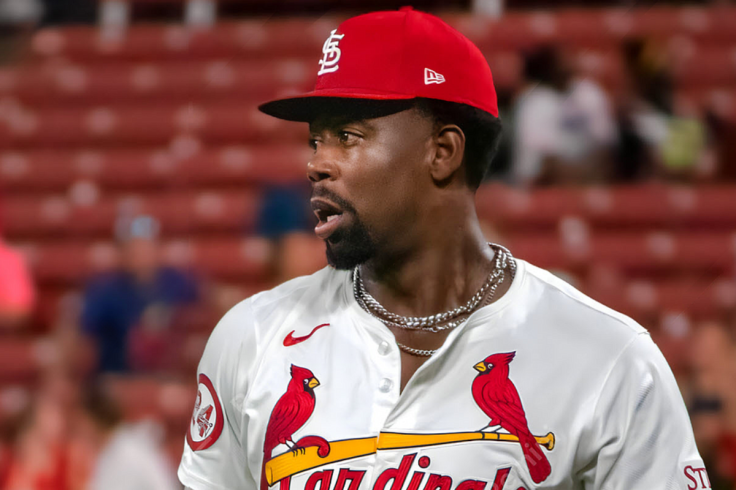
Jordan Walker stunned a hostile Philadelphia crowd on Monday after winning the 2026 Home Run Derby at Citizens Bank Park with a final-round surge that saw him homer on his last six swings to overtake hometown favourite Kyle Schwarber. The 24-year-old St Louis Cardinals slugger finished with 12 home runs in the final, becoming the first Cardinal to claim the Derby crown and denying Schwarber, MLB's current home-run leader, in front of his fans.
The night felt, at times, more like a Philadelphia pep rally than a neutral All-Star showcase. Local stars Schwarber and Bryce Harper were cheered from the moment they stepped into the batter's box. Almost everyone else, including Walker, was met with the full-throated displeasure of a fanbase that rarely bothers to hide what it thinks. By the time the fireworks went off and Walker raised his arms in victory, many of those same fans were already filing for the exits.
Schwarber appeared to have done enough in the final round. With 15 swings to work with under the revamped Derby format, he muscled 11 balls into the seats, drawing roars from every corner of the sold-out ballpark. It was the sort of total that usually holds up in this competition, especially when paired with a partisan atmosphere and a batter with Schwarber's reputation.
Walker, swinging with the top button of his Cardinals jersey open and a backward cap straight out of a Ken Griffey Jr highlight reel, looked almost detached from the hostility raining down from the stands. He chewed a bulging wad of bubble gum, stepped in, and got to work. The boos didn't stop. Neither did the swings.
'You don't boo nobodies,' Walker said afterwards, recalling advice he once received. 'So it feels pretty good.' It was not a line crafted for diplomacy, but it landed with the kind of calm confidence that tends to follow genuine breakthrough moments.
Jordan Walker Turns Boos Into a Breakthrough
This is Walker's first All-Star appearance and, by any measure, his first fully formed superstar season. He has already hit a career‑high 22 home runs before the break, after managing a combined 11 over his previous two years in the majors. In other words, he has gone from promising prospect to central attraction in a remarkably short span.
His route through the Derby bracket reflected that rise. Walker advanced out of the opening round, then eliminated Tampa Bay's Junior Caminero in a head-to-head second-round duel to book his place in the final. Schwarber, seeded as the top power hitter in baseball this year, moved past the first round and then beat Boston's Willson Contreras to set up what felt like an ideal narrative for the home crowd: the league's leading slugger, in his own park, going for the title.
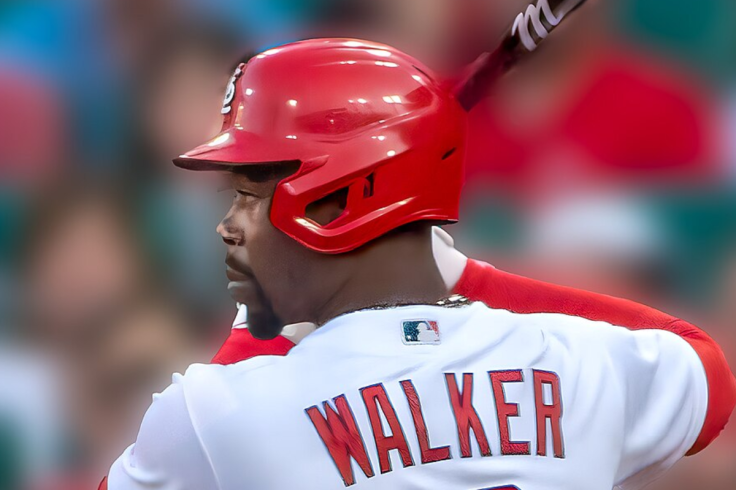
Schwarber did his part. Every swing in the final brought another swell of noise. But the revamped rules meant his total was not protected by a clock, only by Walker's capacity to catch him. MLB scrapped the timer this year in favour of a swing-based format. Hitters get a fixed number of swings in each round and, crucially, if they homer on their final swing, they keep going until they fail to send one out.
It sounds simple, almost old-fashioned. In practice, it introduced long beats between swings as batters watched their shots clear the fence and gathered themselves for the next. It also gave Philadelphians a bit more time to make their feelings known whenever a non-Phillie stepped in.
Home Run Derby Title Belongs to Jordan Walker
In the second round, each player received 15 swings, with seeding determining the match-ups. In the opening round, there were 20 swings apiece and only the top four advanced. The design rewarded rhythm more than frantic pace, turning the final into something closer to a test of nerve.
Walker's decisive burst underlined that. He reached his seventh home run in the final with just two swings left. His eighth shot, on the very next swing, unlocked the extra opportunities he needed. Suddenly, the maths was brutal and clear. He had to hit four straight home runs to win. Miss once, and Schwarber would walk off the field as champion.
The right‑hander's ninth effort clipped the top of the centre‑field fence 401ft away and dropped over. His 10th left the bat and the boos crashed down again from the stands. By the 11th and 12th, the mood had shifted. Fireworks exploded over left field as Walker completed the comeback and Schwarber, watching from near the cage, could only nod.
'He earned it,' Schwarber said afterwards, a simple verdict that carried more weight than any formal commendation. The locals might not have appreciated the outcome, but the man they came to see had no complaint about the opponent who beat him.
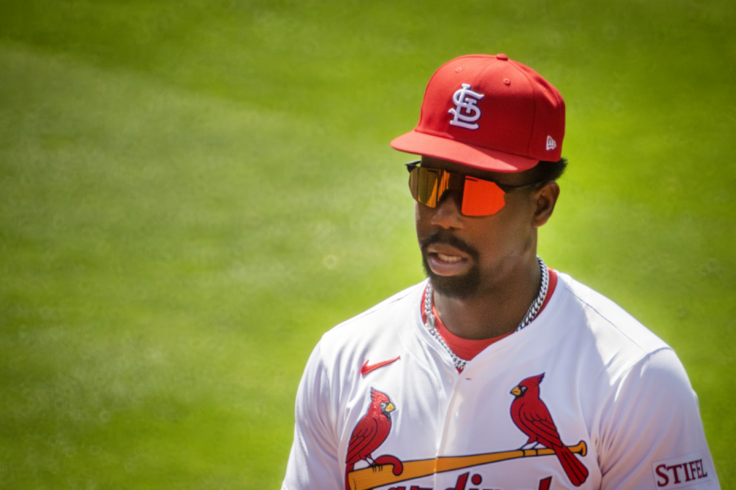
On the field, Walker found his family. His father, recalling how his son was launching long home runs at the age of six, revelled in the kind of parental memory that rarely makes it into a box score but sits quietly behind nights like this. For Walker, the Griffey-inspired look, the bubble gum, the backward cap, all formed part of a childhood dream that played out under the lights of a ballpark far from home and deeply unfriendly for most of the evening.
This was the first Home Run Derby and All-Star Game staged at Citizens Bank Park since it opened in 2004, and the first Derby in Philadelphia since Barry Bonds outslugged Mark McGwire in 1996 at the old Veterans Stadium, an event held in front of banks of empty seats. There were no gaps this time. The ballpark was packed, the Derby aired on Netflix for the first time, and there was a seven-figure prize on the line.
Walker walked away with the title and $1m. Schwarber collected $500,000 as runner-up. Nothing about the result is in dispute, and there is no suggestion of controversy surrounding the format or scoring, but for all the pomp and the paycheques, it was the image of a 24‑year‑old silencing a stadium with six swings in a row that lingered longest in the humid Philadelphia night.
© Copyright IBTimes 2026. All rights reserved.