

Who Is John Davidson And What Is Tourette's Syndrome? Inside The BAFTA Controversy That Sparked Debate After Michael B. Jordan Exchange
John Davidson's Involuntary Outburst at BAFTA 2026 Sparks Global Debate on Disability and Media Responsibility
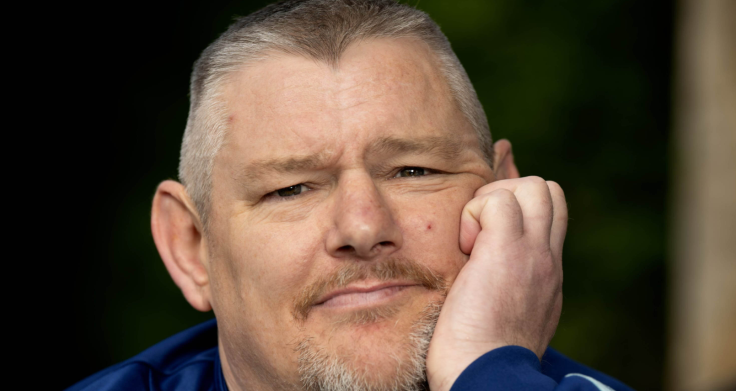
An extraordinary moment at the 2026 BAFTA Film Awards has ignited an urgent global conversation about disability, race, media responsibility and public understanding of neurological conditions, turning a night of celebration into a catalyst for uncomfortable but necessary debate. What began as a glittering showcase of cinema at the Royal Festival Hall in London abruptly shifted tone when a single, shocking outburst on air forced viewers, broadcasters and industry figures alike to confront how we respond to words that are both deeply harmful and neurologically involuntary.
John Davidson, a Scottish campaigner whose life inspired the critically acclaimed film I Swear, was thrust into the centre of controversy when he involuntarily uttered a racial slur during Sunday night's ceremony while actors Michael B. Jordan and Delroy Lindo were presenting an award. The exchange, rooted in symptoms of Tourette's syndrome, reverberated far beyond the Royal Festival Hall in London, sparking intense debate about representation, empathy and media practices.
A Sudden Outburst, A Broadcast Blunder And A Backlash
At the centre of the controversy was an involuntary vocal tic by Davidson, a recognised advocate for Tourette's syndrome awareness and the subject of the 2025 biographical film I Swear. During the presentation of the Best Visual Effects award, an N-word was audible from Davidson's seat as Jordan and Lindo stood onstage. Because the BAFTA ceremony was broadcast on a two-hour delay by the BBC, the offensive language was included in the televised programme and on BBC iPlayer before the footage was removed following swift public backlash.
Once the moment made it onto screens, criticism was vocal and widespread. Several prominent actors, including Jamie Foxx and Wendell Pierce, publicly condemned the incident on social media, with Foxx describing the outburst as 'unacceptable' and Pierce calling for fuller apologies to the presenters rather than statements about intent or context.
BAFTA host Alan Cumming addressed the audience during the ceremony, highlighting that Davidson's outbursts stemmed from involuntary tics associated with Tourette's syndrome and that the audience had been informed of his condition beforehand. Nevertheless, many viewers at home did not receive that context before the offensive language aired.
It’s infuriating that the first reaction wasn’t complete and full throatted apologies to Delroy Lindo and Michael B. Jordan. The insult to them takes priority. It doesn’t matter the reasoning for the racist slur. https://t.co/oqFj9SdoST
— Wendell Pierce (@WendellPierce) February 23, 2026
What Is Tourette's Syndrome, And Who Is John Davidson?
Tourette's syndrome is a neurological disorder marked by sudden, repetitive motor and vocal tics, which in some cases can include coprolalia, the involuntary utterance of socially inappropriate words. Only a minority of people with Tourette's experience this form of vocal tic, and such outbursts are not deliberate expressions of personal views or intent.
John Davidson, now in his mid-50s, developed symptoms in his early teens and has spent decades advocating for awareness and understanding of Tourette's. He first drew public attention in the BBC documentary
What Is Tourette's Syndrome, And Who Is John Davidson?
Tourette's syndrome is a neurological disorder marked by sudden, repetitive motor and vocal tics, which in some cases can include coprolalia, the involuntary utterance of socially inappropriate words. Only a minority of people with Tourette's experience this form of vocal tic, and such outbursts are not deliberate expressions of personal views or intent.
John Davidson, now in his mid-50s, developed symptoms in his early teens and has spent decades advocating for awareness and understanding of Tourette's. He first drew public attention in the BBC documentary John's Not Mad in 1989, which followed his life at a time when the condition was poorly understood. Later documentaries continued to revisit his story, and in 2019 he was awarded an MBE for his work raising awareness and support for those with the condition.
The 2025 film I Swear, directed by Kirk Jones and starring Robert Aramayo as Davidson, dramatises his journey from misunderstood youth to respected campaigner. The film garnered several BAFTA nominations, with Aramayo winning Best Actor and the EE Rising Star Award, and helped to bring global attention to both Davidson's life and the complexities of living with Tourette's.
In YouTube interviews at the I Swear London premiere, Davidson reflects on the surreal experience of seeing his life portrayed on the big screen and his decades of effort in educating the public about the realities of Tourette's.
in 1989, which followed his life at a time when the condition was poorly understood. Later documentaries continued to revisit his story, and in 2019, he was awarded an MBE for his work raising awareness and support for those with the condition.
The 2025 film I Swear, directed by Kirk Jones and starring Robert Aramayo as Davidson, dramatises his journey from misunderstood youth to respected campaigner. The film garnered several BAFTA nominations, with Aramayo winning Best Actor and the EE Rising Star Award, and helped to bring global attention to both Davidson's life and the complexities of living with Tourette's.
In YouTube interviews at the I Swear London premiere, Davidson reflects on the surreal experience of seeing his life portrayed on the big screen and his decades of effort in educating the public about the realities of Tourette's.
Media Responsibility, Editing Choices And Public Reaction
The BBC faced sharp criticism for its handling of the broadcast. Despite the broadcast's two-hour delay, which is typically used to edit out offensive content, the slur remained in the initial airing and on iPlayer until Monday morning, prompting a formal apology from the broadcaster. The BBC said it was sorry that the offensive language 'arose from involuntary verbal tics associated with Tourette syndrome' and acknowledged that it should not have been aired unedited.
Critics questioned why other controversial remarks, such as a 'Free Palestine' comment by a BAFTA winner, were successfully removed from broadcast, yet Davidson's outbursts were not. Some argued that this inconsistency highlighted flaws in editorial prioritisation and sensitivity training.
Beyond media criticism, the incident prompted a debate about public understanding of neurological conditions. Advocacy group Tourettes Action expressed empathy for the hurt caused by the slur, while reaffirming that tics are involuntary and not reflective of someone's character or beliefs. The charity emphasised that genuine understanding means acknowledging the neurological nature of Tourette's and making space for both education and compassion.
Some industry figures at the BAFTAs echoed this call for empathy. During his acceptance speeches, Aramayo spoke about the importance of understanding Tourette's and the wider message of I Swear in challenging misconceptions and stigma.
Yet others, including Lindo, remarked that BAFTA officials should have communicated directly with those affected, rather than allowing the controversy to spiral in public forums. Lindo said he wished someone from BAFTA had spoken to him and Jordan afterwards, underscoring the need for holistic support in such situations.
The Broader Implications
This controversy transcends the mechanics of live editing or awards ceremony protocol. It has raised fundamental questions about how society perceives disability, the nuances of involuntary neurological symptoms, and the responsibility of broadcasters to contextualise sensitive content.
For many living with Tourette's and other neurological conditions, the incident underscores the importance of public awareness and education. While Davidson's moment was involuntary and deeply rooted in his medical condition, its fallout illustrates how quickly public discourse can converge on misunderstanding, outrage, empathy and reflection, often all at once.
In the wake of the BAFTA controversy, the dialogue continues about how to balance transparency, sensitivity and representation in public media spaces, and how to foster understanding in a world where one person's involuntary tic can become a global headline.
John Davidson did not choose that moment. But in the weeks and months to come, his involuntary outburst may well become a catalyst for deeper societal understanding of some of the most misunderstood parts of the human brain.
© Copyright IBTimes 2026. All rights reserved.