

King Charles Visits Site Where 33 Enslaved People Were Hanged as Britain Faces Calls for Slavery Apology
The monarch's visit comes as campaigners seek formal acknowledgement and reparatory action
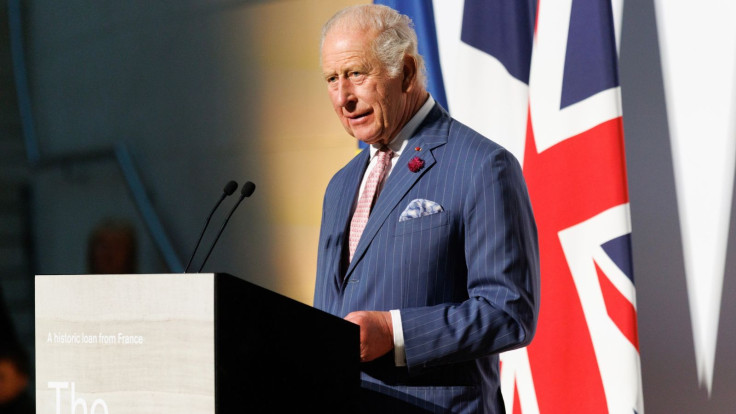
King Charles III has visited a historic execution site in Guyana where 33 people linked to the 1823 Demerara Rebellion against slavery were hanged, amid intensifying calls for Britain to acknowledge its role in the transatlantic slave trade and issue a formal apology.
The monarch travelled to Independence Park in Georgetown, Guyana's capital, on Friday, 30 October, during a nine-day Caribbean tour that has drawn renewed scrutiny of Britain's colonial legacy. Schoolchildren were playing sports at the site as Charles visited the location associated with the executions.
The visit came as Caribbean leaders and reparations campaigners again urged Britain to issue a formal apology for its role in the transatlantic slave trade and consider measures to address its lasting consequences.
UK PM Signals Openness To Formal Apology
British Prime Minister Andy Burnham has said he is open to calls for a formal apology for the United Kingdom's role in the transatlantic slave trade, ahead of the Commonwealth Heads of Government Meeting in Antigua and Barbuda. His comments leave open the possibility of a change in the government's position, although he has not committed to issuing an apology.
Writing in The Guardian, Burnham said his government would establish 'a structured dialogue with those affected by the transatlantic slave trade' with calls for an apology forming part of those conversations. 'Listening to calls for a formal apology on behalf of the British state will form an important part of this process, and I am open to them,' Burnham added.
However, Burnham rejected demands for financial reparations, saying that people living in Britain today should not be held accountable for historical injustices in which they had no personal involvement.
'I do not think that British people today can be held liable for historical wrongs, however heinous, that happened in a different age under different laws and in which they played no personal part,' Burnham wrote.
Instead, Burnham proposed a debt initiative that would allow countries to repay their debts over longer periods and at more favourable rates
King Charles Acknowledges Past but Stops Short of Apology
While Burnham has expressed a willingness to consider a formal apology, King Charles has so far stopped short of making one on behalf of Britain.
Speaking during a visit to the Bahamas on 27 October, the monarch said it is 'only right that we should acknowledge the great suffering and injustices of the past,' saying the region's achievements had emerged despite a painful past. He also confirmed that leaders from affected Commonwealth nations would discuss the issue at their upcoming summit in Antigua and Barbuda.
However, Buckingham Palace has indicated that Charles will not issue a formal apology during his Caribbean tour, in line with the British government's position on the matter. His remarks have therefore done little to satisfy campaigners seeking a more explicit acknowledgement of Britain's responsibility.
Niambi Hall Campbell-Dean, chair of the Bahamas National Reparations Committee, said that expressions of sorrow must be accompanied by meaningful action to address the harm caused by slavery, per Reuters. 'We do not need more carefully crafted words about healing,' she said. 'We need action equal with the scale of the harm inflicted.'
The visit to Guyana brought renewed attention to the political debate over Britain's historical role in slavery. Campaigners continue to press British leaders for a formal apology and concrete measures to address the lasting consequences of the transatlantic slave trade, while Burnham has ruled out financial reparations.
© Copyright IBTimes 2026. All rights reserved.