

Lizzo Dodges Fat-Shaming Suit Blow, Yet Accusers Press On With Sex Harassment Trial
The former dancers who accused the singer of fat-shaming them have now officially retracted this accusation.
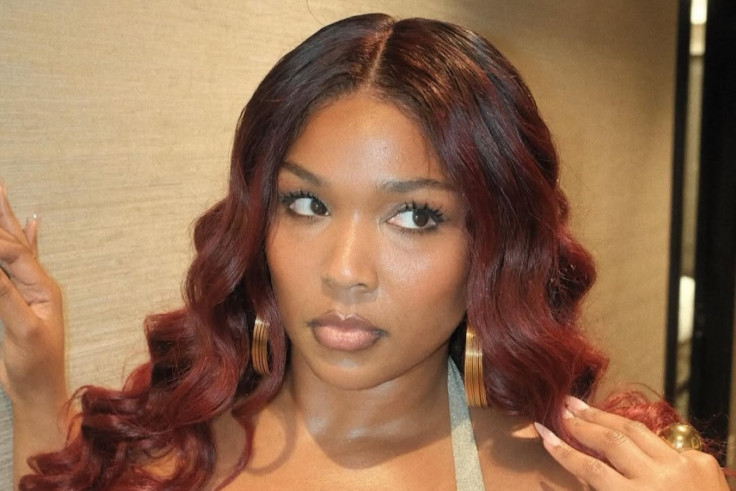
Pop superstar Lizzo, whose real name is Melissa Jefferson, survived the fat-shaming accusations that were included in a broader sexual harassment lawsuit filed by three of her former backup dancers. Arianna Davis, Noelle Rodriguez, and Crystal Williams, who initially alleged that the singer made negative remarks about their weight during her The Special Tour in 2023, have now officially retracted this accusation.
According to Lizzo's legal team, the allegations were thoroughly refuted by sworn statements from 18 witnesses. The dismissal was first confirmed by a Los Angeles Superior Court judge. The judge said Davis was fired because she recorded Lizzo without permission during a meeting and shared it with another former dancer, not because she was overweight.
TMZ reports that the former dancers have chosen not to pursue an appeal regarding the fat-shaming dismissal, instead concentrating their lawsuit on more significant accusations of sexual harassment.
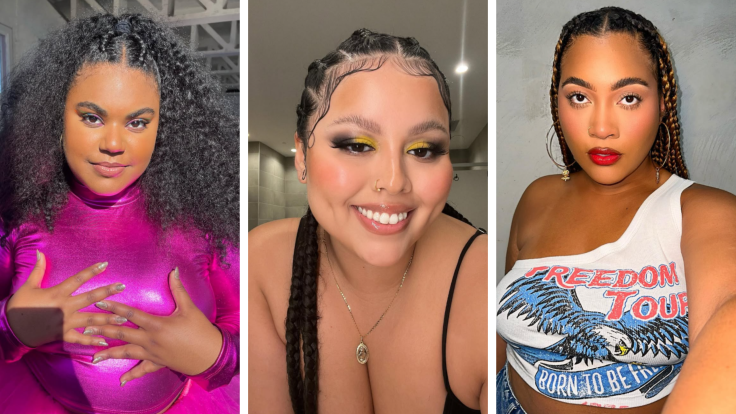
Former Dancers Push Forward With Lawsuit
In light of the fat-shaming allegation, the three former dancers continue to explore other claims that could have major repercussions for the music industry.
The lawsuit, filed by Davis, Rodriguez, and Williams, focuses on claims that Lizzo coerced dancers into engaging in sexually explicit activities during the tour, such as attending nude entertainment events in Amsterdam and Paris.
Court documents reveal that dancers were reportedly urged to take part in inappropriate interactions with performers, including the eating of bananas from their genitals, which is a practice linked to the infamous Bananenbar nightclub in Amsterdam. Lizzo has refuted these claims.
The plaintiffs' legal team remains committed to bringing these claims to trial, citing Judge Mark H. Epstein's earlier ruling that sexual harassment allegations fall outside the protections of California's anti-SLAPP (Strategic Lawsuit Against Public Participation) statute.
Singer Cites First Amendment Rights
Lizzo's defence relies on a novel interpretation of First Amendment protections. Her lawyers argue that group activities and experiences, regardless of their controversial nature, were part of her creative process and therefore shielded as expressive conduct.
In court filings, the singer's team likened their position to the artistic licence of performers, suggesting that such experiences could inspire performance or music creation.
Critics of this argument have described it as overly broad, including Ari Stiller, who represents the dancers. According to Billboard, he wryly said, 'Under that standard, Johnny Cash could shoot 'a man in Reno just to watch him die' and claim protection if he hoped it would inspire his performance,' emphasising the possible boundaries of linking personal behaviour with artistic expression.
Case Background and Ongoing Litigation
The lawsuit against Lizzo first emerged in 2023, drawing widespread attention due to the singer's public persona as an advocate of body positivity and sexual openness. In addition to the dancers, wardrobe designer Asha Daniels filed a separate suit alleging a 'culture of racism and bullying' during The Special Tour, though claims against Lizzo personally were dismissed. Daniels' allegations involving Lizzo's company, Big Grrrl Touring, remain pending.
The resolution of the dancers' sexual harassment allegations will be determined by the judicial system, with an appeal expected to be presented in 2026. If the appellate court rules in favour of the dancers, the case will be sent back to Judge Epstein's court for a complete jury trial.
Lizzo's legal representatives are optimistic about their chances of success, whereas the plaintiffs insist that their allegations deserve to be evaluated by a jury.
© Copyright IBTimes 2026. All rights reserved.