

Massie Says 218 Signatures Are Coming Next Week to Force Vote on Epstein Bill Allowing Survivors to Sue DOJ Over Hidden Files
The proposal would let survivors challenge alleged Justice Department failures to disclose records
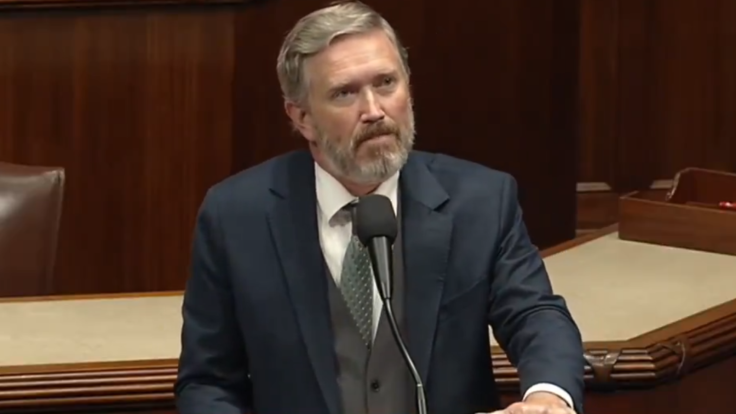
A congressional effort to strengthen access to Jeffrey Epstein-related records could reach a crucial procedural stage next week, with Republican Representative Thomas Massie predicting that a discharge petition will secure the 218 signatures needed to bring the issue before the House.
In a post on 5 November, Massie said he expected to reach the threshold when lawmakers return to Washington. He described the proposed legislation as a way for survivors to obtain records concerning their cases and challenge the withholding of material by the Justice Department.
The proposal, known as the Epstein Files Transparency Act II, is intended to address a central weakness in the existing disclosure framework: what legal options are available when the government is accused of failing to release information it is required to provide.
The Legal Remedies the Bill Would Give Survivors
H.R. 9694 was introduced on 15 July 2026 by Massie, Democratic Representative Ro Khanna, and Democratic Representative Teresa Leger Fernández. Rather than simply demanding another release of documents, the bill proposes mechanisms to challenge alleged failures to comply with transparency requirements.
It would allow victims and specified public officials, including state attorneys general, district attorneys, and other authorised state officials, to bring civil actions against the US Attorney General over alleged unlawful withholding, concealment, or failure to disclose records.
The proposal also addresses access to unredacted material. Survivors would be able to seek records concerning themselves or the harm they suffered, while state and local prosecutors could obtain relevant material for investigations, prosecutions, and judicial proceedings.
The distinction is important. The measure would not give state attorneys general a broad new power to prosecute Epstein's alleged associates. Its focus is the disclosure of records and the ability to challenge decisions about their release.
When we return next week, we’ll get 218 signatures for Epstein Files Transparency Act II, which guarantees a vote.
— Thomas Massie (@RepThomasMassie) November 5, 2026
Survivors will be able to get their own records, State Attorneys General can prosecute crimes, and we can take the DOJ to court for keeping critical files hidden.⚖️
What the 218-Signature Threshold Would Actually Trigger
A discharge petition is a House procedure that can help lawmakers bypass committee inaction and bring a measure forward for consideration. It requires signatures from a majority of House members, currently 218.
The petition associated with this effort concerns H.Res. 1430, the procedural resolution connected to bringing the legislation to the floor. It should not be described as a petition directly removing H.R. 9694 from committee.
Even if the threshold is reached, a House vote would not guarantee the bill's approval. The proposal would still need to pass the required legislative stages before it could become law. Massie's statement is a prediction about next week's progress, not confirmation that 218 formal signatures have already been recorded.
Why the Original Disclosure Law Faces Further Scrutiny
The proposed legislation follows the original Epstein Files Transparency Act, which became Public Law 119-38 after being signed on 19 November 2025. That law established requirements for disclosing records connected to Epstein, the convicted sex offender who died in federal custody in 2019. Disputes over redactions, withheld material, and the government's handling of the records have continued to prompt calls for accountability.
The second bill seeks to strengthen the means of enforcing those requirements. Its significance would therefore extend beyond the publication of another batch of documents: it would give survivors and certain public officials a proposed legal route to challenge alleged non-compliance. If the petition succeeds, lawmakers will have to consider whether the existing disclosure framework provides sufficient accountability.
© Copyright IBTimes 2026. All rights reserved.