'Multi-Billion' McDonald's Under Fire After Choosing 'Cheap' AI-Generated Ad Than Hiring a Graphic Designer
McDonald's 45-second AI spot was delisted after viewers mocked its visuals and production choices
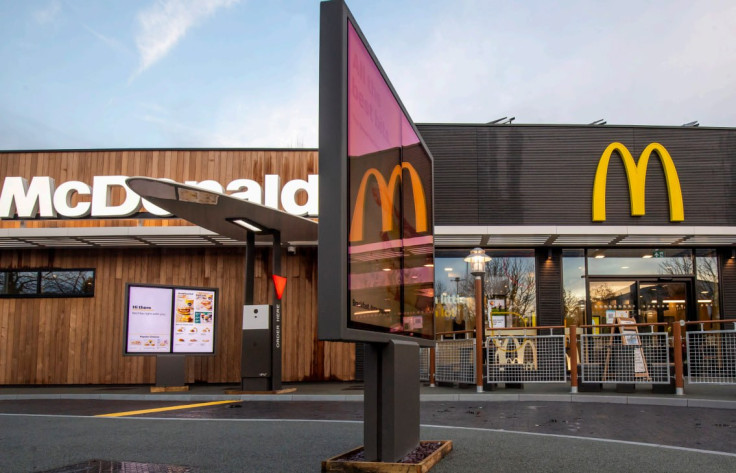
McDonald's Netherlands has sparked a global backlash after releasing, then quietly pulling, a fully AI-generated Christmas spot that critics called 'creepy' and 'cheap', raising fresh questions about the cost of creativity for corporations worth hundreds of billions.
The 45-second film, titled 'It's the Most Terrible Time Of The Year', reworks a seasonal classic into a cynical send-up of December stress and ends by urging viewers to 'hide out in McDonald's until January'. Within days of publication, the video's YouTube comments were shut off and the file was made private as negative reaction cascaded across social platforms.
Big Brand, Small Craft?
McDonald's Netherlands commissioned TBWANEBOKO to create the campaign and engaged production company The Sweetshop, specifically its AI studio The Gardening.club, to realise the spot using generative workflows and prompt-driven image and motion tools. Agency executives framed the film as a deliberate inversion of polished holiday advertising, designed to show December as chaotic rather than idyllic.
McDonald's has released an AI-generated Christmas ad
— Culture Crave 🍿 (@CultureCrave) December 8, 2025
The studio behind it says they 'hardly slept' for several weeks while writing AI prompts and refining the shots — 'AI didn't make this film. We did'
Comments have been turned off on YouTube pic.twitter.com/Es5ROvI7n2
But audiences responded to the execution rather than the intent. Viewers circulated clips of distorted faces, unnatural limb motion and jarring edits; social posts described the visuals as uncanny and cold.
The film's apparent artefacts, the very hallmarks of early generative video, became the dominant story, with commentary accusing a multinational brand of favouring a low-cost AI pipeline over human craft. Within 48 hours, the original upload was de-listed and mirrors proliferated across X and Instagram.
The creative team protested that the final piece was the result of labour-intensive, human-led work. In a statement widely republished by trade outlets, The Sweetshop said its teams 'hardly slept' while writing prompts and iterating thousands of frames, concluding emphatically: 'AI didn't make this film. We did'.
That defence did little to dampen the backlash, and only sharpened the optics of a brand with a market value measured in the hundreds of billions choosing an AI-first route.
AI made the "film"; the studio just write prompts. "We" didn't make anything. Typing sentences to enter into AI as a prompt which then uses preexisting material,images and other data sets- is not making anything. These people think we are stupid with their language games. https://t.co/SAkAYI8fnF
— Swiftology (@catchypiccolino) December 8, 2025
The Economics Of AI Advertising — Saving Pennies, Risking Reputation
At stake is not only taste but money. McDonald's Corporation is a multi-billion-pound enterprise, valued at roughly £167 billion ($222 billion) by market measures this week, and the choice to publish an AI-generated spot has been widely read as a cost-management decision, or at least as an experiment in production scale.
Critics argue the savings are false economy: short-term reduction in line-item spend may be offset by reputational harm, social-media mockery and lost goodwill.
Industry observers told the LA Times and other outlets that brands increasingly see generative tools as a way to compress budgets and timelines, a temptation for large, global advertisers. But several academics and creative directors point to the intangible value of human designers and directors: nuance, cultural sensitivity and craft that cannot yet be reliably encoded into prompts.
'AI is gaining traction for the creation of ads because it is viewed as a way to save costs,' a marketing academic told reporters; equally, others warned that reliance on imperfect models can produce the opposite of the intended emotional effect.

Industry Reaction
Responses from the creative community were swift and scathing. Practitioners argued the film's errors: the awkward anatomy, the frozen micro-gestures, were not merely technical glitches but a demonstration that generative visuals remain brittle when asked to depict real people and lived environments.
ai dorks trying to convince everyone that typing prompts and wasting money to avoid paying actors or 3D artists is hard work pic.twitter.com/CybQRGCK84
— Evil Rat 🐀 (@Aebibaebi) December 9, 2025
Trade journals and ad-tech commentators have used the situation to renew debates about transparency, credit and the ethics of substituting human labour with synthetic processes.
For its part, TBWANEBOKO framed the spot as part of an owned December platform for McDonald's Netherlands, intended to complement in-app activations and local promotions; The Sweetshop published background notes emphasising a human-driven finishing process.
Won't be eating any more McRibs until you apologize, @McDonalds. Of all people you have the money to pay for human actors, who need to eat.
— Hear in LA (@hearinladotcom) December 8, 2025
Shame on you.
McDonald's global corporate channels did not publish a standalone apology the day the film was pulled; requests for further comment were reported as unanswered in coverage by major outlets.
If major advertisers persist down this road without clearer standards for quality, attribution and actual oversight from real people, experts warn, there will likely be more public relations crises; and, over time, pressure for regulation and industry norms on what constitutes 'acceptable' use of synthetic media.
© Copyright IBTimes 2026. All rights reserved.
- MOST POPULAR IN Trending