

Chipotle Horror: NYC Customer Claims She 'Bit Into a Rodent' in Her Burrito Bowl
Woman sues Chipotle and DoorDash claiming she bit a rodent in her burrito.

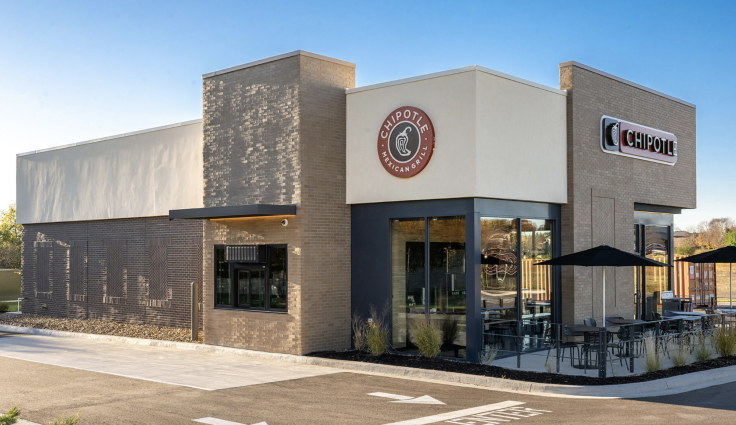
The casual ritual of ordering a takeaway, a simple modern luxury, turned into a genuine nightmare for one New York customer who claims she 'bit into a rodent' while eating her lunch.
That stomach-lurching horror is now at the heart of a massive lawsuit filed against the multi-billion-pound chain, Chipotle Mexican Grill, alleging an unimaginable breach of food safety standards.
Gia Bernhardt, 24, from the Upper East Side, filed the civil complaint this week, detailing the deeply traumatising moment she claims she encountered the horrifying extra ingredient.
The incident took place on 11 January when Bernhardt placed a delivery order via the DoorDash app for a burrito bowl and a side of chips and guacamole from the Chipotle branch located between East 84th and East 85th Street and Third Avenue.
It was an ordinary order, a staple for millions of customers across America and beyond, but what allegedly happened next was anything but.
When she sat down to eat the meal, the lawsuit claims Bernhardt 'bit into a rodent contained within the meal she was consuming'. The highly visceral detail of the claim—that the object was inside her mouth after biting down—is the central, most shocking element of the lawsuit, which was filed on Monday in the New York County Supreme Court.
The documents allege that the ghastly experience has caused Bernhardt to 'suffer severe bodily injuries', alongside significant pain, shock, and enduring mental anguish.
The claim has immediately sparked wider public concern, touching on a universal fear of hidden contamination in pre-prepared food. The case does not just focus on the alleged physical consequences of the incident; it heavily emphasises the long-term human impact and psychological distress caused by the grotesque discovery.
The 'Squeak' In The Chipotle Bowl That Led To A Lawsuit
The legal battle being mounted by Bernhardt and her counsel is not solely focused on the fast-food giant itself. The lawsuit argues that Chipotle 'knew or should have known that its product was dangerous to member(s) of the general public'.
This is a powerful legal thrust suggesting that the company was negligent in its responsibility to maintain a safe and sanitary preparation environment.
However, the legal action has also been expanded to include both the delivery app, DoorDash, and the unnamed individual driver who transported the food. The civil complaint argues that the deliveryman employed through the popular app 'improperly and negligently delivered the product in an unsafe and unsanitary manner'.
This action shows how complicated it is to figure out who is responsible for what when ordering food online. It is important to separate the restaurant's fault from the delivery platform's handling in a legal sense.
The claim that the delivery was "unsafe and unsanitary" suggests that Bernhardt's lawyers are trying to cover all their bases when it comes to how the alleged contamination may have happened, including everyone who was involved in delivering the final product.
Despite the severity of the claims made in court, the precise nature of the 'rodent' allegedly found in the meal, and the exact injuries Bernhardt suffered, remains undisclosed at this time.
The customer is seeking a money judgment from the court, along with unspecified compensatory and punitive damages—the latter being a type of compensation intended to punish the defendants for gross negligence, not just cover the victim's losses.
Chipotle Vigorously Denies The Rodent Claim: 'A Chicken Tendon'
For its part, Chipotle has mounted a forceful and immediate denial of all allegations. The company is preparing to 'vigorously defend ourselves against these claims', a spokesperson told The Post.
The popular chain is entirely disputing the nature of the object in question, offering an alternative and much less alarming explanation for what Bernhardt encountered in her bowl.
Laurie Schalow, the Chief Corporate Affairs and Food Safety Officer for the company, addressed the claims in a statement that directly challenges the lawsuit's core factual premise.
'Internal agents of Chipotle analyzed the evidence both in person and in photographs and are confident the object is a chicken tendon/ligament,' Schalow stated, offering a technical, internal assessment to counter the highly emotive accusation of finding a mouse or rat.
Schalow further affirmed the company's commitment to hygiene, adding: 'The health and safety of our employees and guests is our highest priority, and we have industry-leading food safety practices in place across our restaurants.'
This case is now set to become a difficult and highly publicised battle of claims, pitting the horrifying personal account of Gia Bernhardt against the firm, fact-based denial of a global food chain.
For a brand that has faced intense scrutiny over its food safety record in the past, the latest lawsuit represents another challenging ordeal that could seriously damage consumer trust, regardless of the final legal outcome.
© Copyright IBTimes 2026. All rights reserved.