

Tech Mogul Elon Musk's Nearly $190 Million Texas Senate Bet Ends in Disappointment
Talarico made Musk's financial backing for Paxton a central campaign issue, while broader estimates put the billionaire's Texas political spending at about $224 million
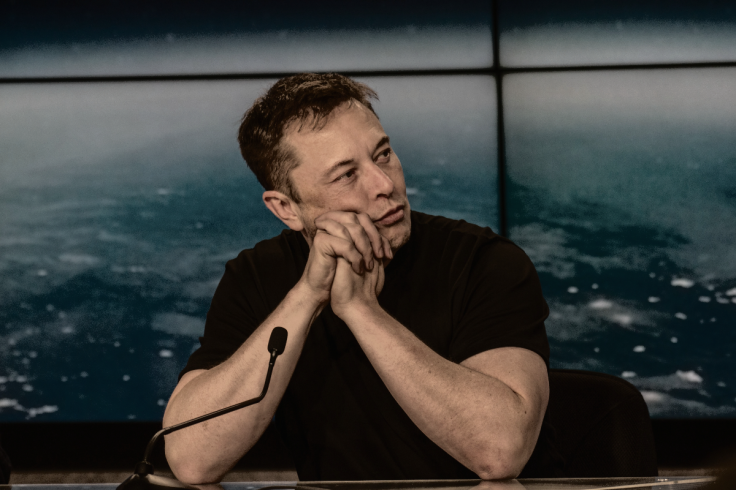
Elon Musk's nearly $190 million (£141 million) push to keep a Texas Senate seat in Republican hands has failed, with Democrat James Talarico projected to defeat state Attorney General Ken Paxton, the billionaire's preferred candidate, according to US media.
The Wall Street Journal reported the result on 4 November 2026, alongside another projected Republican loss in Texas: Democratic challenger Gina Hinojosa was expected to unseat Governor Greg Abbott.
The almost $190 million figure reflected an earlier estimate of Musk's involvement in the Senate race. A subsequent New York Times analysis put his wider political spending in Texas at approximately $224 million (£166.3 million).
Talarico Turns Musk's Money Into a Campaign Target
Per The Texas Tribune on 15 October, Musk financed advertisements attacking Talarico and promoting Paxton, which, according to The Wall Street Journal, helped Republicans spend roughly twice as much as Democrats on advertising.
Talarico used the financial imbalance to frame the contest around the influence of wealthy donors over voters. 'It's David versus Goliath,' he told supporters at a closing rally, the newspaper reported.
Fortune reported that Talarico, 37, became the first Democrat to win a Texas Senate election since Lloyd Bentsen's victory in 1988.
The former state legislator and Presbyterian seminarian will become the Senate's youngest member, according to Fortune. He will replace John Cornyn, who lost the Republican nomination to Paxton.
Talarico's campaign repeatedly linked everyday financial pressures to the political influence of billionaires and corporations. Musk's backing for Paxton gave the Democrat a prominent target for that message, while Paxton's legal and ethical controversies also featured in the contest, according to Fortune.
Two September Donations Fuel the Advertising Surge
The Texas Tribune reported on 15 October that Musk appeared to have committed nearly $190 million (£141 million) to the Senate contest, after Republicans mounted a September intervention to bolster Paxton.
On 9 September, Musk gave approximately $75 million (£55.7 million) to the Senate Leadership Fund (SLF), the main outside group supporting Senate Republicans. The following day, SLF transferred the same amount to Texas PAC, a political action committee supporting Paxton.
Two weeks later, Musk contributed another $83 million (£61.6 million) to SLF. Again, the group transferred an equivalent sum to Texas PAC the next day.
The two donations totalled $158 million (£117.3 million). According to the Tribune, SLF had used Texas PAC to book more than $159 million (£118 million) in television, radio and digital advertising, citing figures from advertising tracker AdImpact.
Talarico had previously dominated advertising spending, while SLF initially backed Cornyn in the Republican primary.
Why the Reported Spending Totals Differ
Business Insider reported that Musk's America PAC separately spent more than $47 million (£34.9 million) opposing Talarico. It cited The New York Times' broader estimate of approximately $224 million (£166.3 million) for Musk's political spending in Texas.
The Times calculated about $212 million (£157.4 million) in direct donations or disclosed America PAC spending supporting Paxton, plus approximately $12.3 million (£9.1 million) donated to other Texas political groups. Its estimate excluded most of America PAC's spending in the state.
Nationally, the Times put Musk's disclosed contributions during the election cycle at approximately $474 million (£351.9 million), covering donations to federal and state political groups since 1 January 2025.
That exceeded Business Insider's separately reported minimum of approximately $446 million (£331.1 million). Both accounts identified America PAC and the main outside groups supporting Senate and House Republicans as major recipients.
The Times described Musk's giving as a record for a donor who was not financing their own candidacy. It also cautioned that the total was incomplete, as federal records extended only to 14 October, leaving any contributions during the campaign's final weeks outside that calculation.
© Copyright IBTimes 2026. All rights reserved.