

Trump Aide Natalie Harp Reportedly Earns $150,000 and Allegedly Uses POTUS' Dining Room
Natalie Harp's reported salary and access draw scrutiny following reports of Susie Wiles' departure
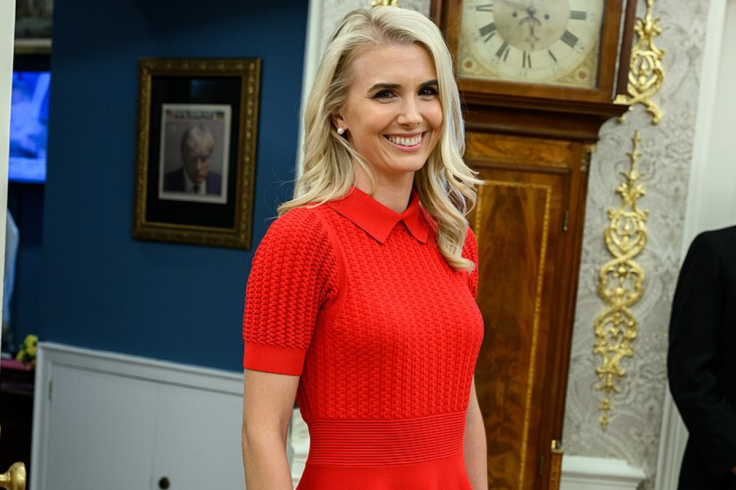
Natalie Harp reportedly earns $150,000 (£113,350.35) a year as Donald Trump's executive assistant and allegedly works from his private White House dining room, amid criticism of his inner circle following Susie Wiles' reported departure as chief of staff in November.
The scrutiny follows remarks attributed to an unnamed senior administration official about personal loyalties and rivalries in the West Wing. Columnist Maureen Callahan examined Trump's relationships with female advisers in an opinion piece, questioning whether admiration for the president carried greater weight than political experience.
Natalie Harp's Reported Access Extends to Trump's Dining Room
Harp, 35, is a former One America News Network host who frequently accompanies Trump during public appearances and official trips. Her reported annual salary relates to her position as an executive assistant.
White House staffers have reportedly nicknamed her the 'Human Printer' because she regularly provides Trump with printed articles and favourable news coverage. Reports also describe her as a gatekeeper who influences which information reaches the president.
Trump has allegedly allowed Harp to work in his private dining room near the Oval Office and watch television with him. That reported arrangement places her close to the president beyond the public appearances at which she is regularly seen.
Her proximity to Trump has reportedly frustrated other administration staff members, some of whom have questioned the extent of her influence. The criticism centres on access to the president and the role of personal loyalty within his advisory circle.
Natalie Harp Features in Criticism of Trump's Inner Circle
The unnamed official quoted in the reporting described the West Wing as a 'lunch table' and warned against a 'mean-girl machine' more interested in controlling access than building a lasting legacy.
The remarks were attributed to an unnamed official. They do not establish Harp's responsibilities or performance, nor do they constitute a documented assessment of the administration's hiring decisions.
Callahan separately questioned whether Trump prioritised personal loyalty and admiration over political experience. Her account contrasted the advisers closest to him with Wiles, whose political experience had supported his return to the White House.
The columnist also suggested Harp had effectively replaced conservative activist Laura Loomer as one of Trump's most devoted supporters. Loomer had considerable access to Trump during the 2024 campaign and reportedly influenced his views about the loyalty of certain administration figures.
Callahan cited Katie Zacharia's five-day tenure as White House press secretary as another example of instability within the advisory circle. These comparisons formed part of her commentary, rather than established findings that personal admiration outweighed professional qualifications.
Wiles' Departure Provides Context for Natalie Harp Scrutiny
Wiles, 69, reportedly resigned as White House chief of staff earlier in November after playing a major role in Trump's return to office. Her departure followed Republican losses in the 3 November midterm elections, although Trump maintained that the leadership change was unrelated to the results.
On 6 November, Trump announced that Stephen Miller would replace Wiles.
Callahan presented Wiles' departure as part of her wider criticism of the influence of younger female advisers around Trump. Her comparison focused on the distinction she drew between political experience and personal admiration for the president.
Karoline Leavitt previously defended Harp amid questions about her access to the president. She confirmed that the aide had obtained security clearance and described her as a loyal and hardworking member of the administration.
© Copyright IBTimes 2026. All rights reserved.