

Benjamin Netanyahu Dead Rumours Explained: How Iran's 'Tenth Wave' Strike Claim Sparked Viral Assassination Speculation
Amidst escalating tensions, rumours of Netanyahu's assassination spread, but evidence suggests otherwise
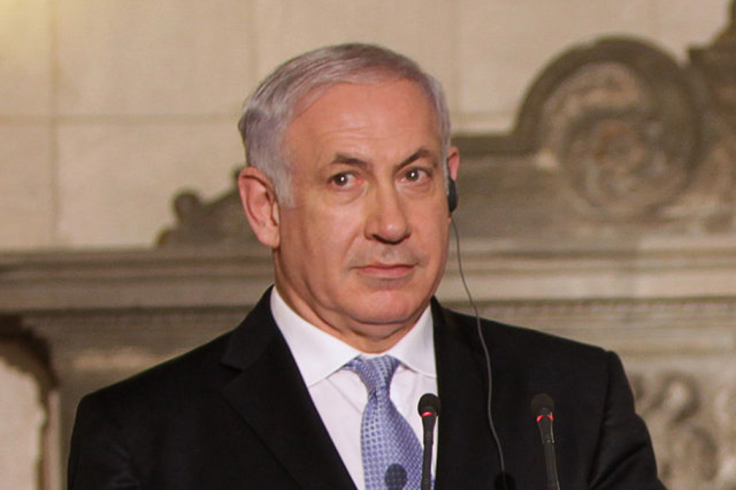
Viral claims that Israeli Prime Minister Benjamin Netanyahu had been assassinated began circulating on social media on Monday after Iran's Islamic Revolutionary Guard Corps announced it had struck his office in Tel Aviv using Khaibar ballistic missiles. The rumours spread rapidly, with some posts claiming the Israeli leader had been killed and others alleging he had fled to Germany, but none of these claims was supported by verified evidence or official confirmation.
The speculation intensified in the vacuum created by Netanyahu's limited public visibility during an acute security crisis—a period marked by relentless missile exchanges following the joint US-Israeli strikes on Saturday that killed Iranian Supreme Leader Ayatollah Ali Khamenei. Netanyahu's office was swift to respond, dismissing the IRGC's claims as 'fake news' and stating that the office remained intact.
What Iran Actually Claimed
The IRGC announced: 'The office of the criminal Prime Minister of the Zionist regime and the location of the commander of the air force of the army of this regime were targeted by Khyber missiles... Now, the fate of the Prime Minister of the Zionist regime is in a cloud of uncertainty.' The statement was carried by Iran's state television as part of what Tehran described as the tenth wave of retaliatory strikes under Operation True Promise 4.
Israel dismissed the claims and said Netanyahu's office was not attacked. Despite Iran ramping up its counteroffensive following Khamenei's death, there were no reports of missile impacts on the Israeli Prime Minister's office. Fresh explosions were heard above Jerusalem on Monday, but the Israeli military confirmed its defensive systems were operating and intercepting the threats.
Netanyahu's Movements Contradict the Rumours
Credible Israeli outlets published Netanyahu's remarks from Tel Aviv and Beit Shemesh, where he acknowledged civilian losses from Iranian strikes. 'These are painful days. Yesterday here, in Tel Aviv, and now in Beit Shemesh, we lost dear people,' he said. The Government Press Office also posted a still photo on X showing Netanyahu in a security meeting at the Kirya in Tel Aviv with the defence minister, the IDF chief of staff, and the director of the Mossad.
Netanyahu visited the site of a deadly missile strike in Beit Shemesh on Monday, where nine people, including three siblings, were killed, offering condolences to families and wishing a speedy recovery to the injured. Addressing Iran directly during the visit, Netanyahu said: 'Iran's terror regime fires at civilians, and we fire at the terror regime in order to defend civilians. That is a tremendous difference.'
The Flight Radar Claim
A separate rumour alleged that Netanyahu had fled to Germany, based on flight tracking screenshots purportedly showing the Israeli government aircraft, known as the 'Wing of Zion', heading to Berlin. Claims alleged that Israel flew its official government aircraft to Germany and parked it at Berlin's airport for safety, citing German government sources—offering a straightforward explanation for the plane's location that does not place Netanyahu aboard it. Security officials highlighted that many of the viral posts originated from accounts suspected of having ties to Iran.
Benjamin Netanyahu speaks from the roof of the IDF headquarters and says the war in Iran is about to intensify so much that “painful days are coming.”
— Shadow of Ezra (@ShadowofEzra) March 1, 2026
Netanyahu says he will unleash the full force of the IDF that the world has never seen before.
Netanyahu says he has waited 40… pic.twitter.com/2NRpogEzJh
Why Context Matters
The issue worsened after Iran ramped up its counteroffensive against the US and Israel for attacking it on Saturday, under what it calls Operation True Promise 4. Tehran has confirmed launching ten successive waves of drone and missile attacks since the joint US-Israeli strikes killed Khamenei, framing the campaign as lawful self-defence. The conflict has since widened, with Hezbollah entering the fray and Israel conducting large-scale strikes on Beirut, while the region braces for further escalation.
The 'Netanyahu is dead' claims follow a pattern seen in wartime disinformation—rumours that exploit limited public visibility and a fractured information environment to amplify uncertainty. In this case, the evidence available points clearly in the opposite direction: Netanyahu was issuing statements, appearing in public, and conducting security briefings throughout Monday.
Wartime disinformation can have real consequences—from destabilising public confidence to influencing military and diplomatic decisions. The speed at which unverified claims about Netanyahu's fate spread underscores the vulnerability of information ecosystems during active conflict.
© Copyright IBTimes 2026. All rights reserved.