

Millions of Americans Are Buying Groceries on Credit They Can't Afford to Repay, Study Finds
Research finds rising use of credit cards and BNPL as higher food costs strain household finances.

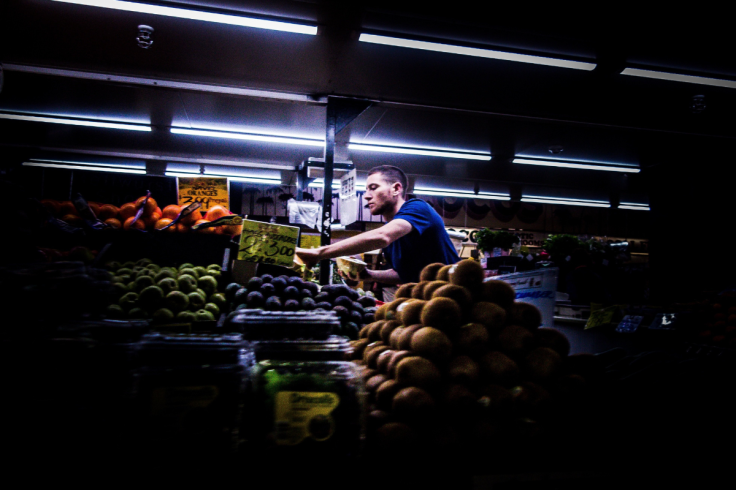
Millions of Americans are using credit cards, buy now, pay later loans and personal savings to pay for groceries, with growing numbers unable to keep up with repayments as food prices remain well above pre-pandemic levels, according to new research from the Urban Institute.
The Washington-based think tank found that more than one in four working-age adults who used credit cards for groceries either carried balances they could not fully repay or failed to consistently make minimum payments. Nearly one in five also said they had tapped savings intended for longer-term needs to cover food bills, while almost one in 10 turned to buy now, pay later financing.
The findings suggest that higher grocery costs are changing how households pay for essential food, with researchers warning that debt and depleted savings may leave families more financially vulnerable even as overall inflation has eased.
Grocery Bills Are Turning Into Credit Card Debt
The Urban Institute analysed responses from more than 7,500 working-age adults who participated in its nationally representative Well-Being and Basic Needs Survey in December 2025.
About 63.2% of respondents said they had used a credit card to buy groceries during the previous year. Of those, 34.9% paid their balance in full each month, while 19.6% carried balances but continued making minimum payments. Another 8.7% said they did not consistently make minimum payments, up from 7.1% when the institute examined the issue in 2023.
Researchers said the increase represents millions more Americans falling behind after using credit to pay for everyday food purchases.
Emergency Savings Are No Longer Reserved for Emergencies
Borrowing was not the only strategy households relied on.
Nearly one in five respondents said they withdrew money from savings that had not been intended for routine expenses, including emergency funds, to buy groceries at least once during the previous year.
The report also found that 5.2% of working-age adults used cash obtained through recent payday loans to cover grocery purchases.
Researchers said those coping strategies may provide short-term relief but become increasingly risky when they are used repeatedly for recurring household expenses.
Buy Now, Pay Later At The Checkout
The Urban Institute found that 8.9% of working-age adults used buy now, pay later financing to purchase groceries, with 34.8% of those borrowers missing at least one payment.
Separate research published this month by LendingTree points to the same trend becoming more widespread.
Its survey found that 29% of current buy now, pay later users had used the services to buy groceries this year, up from 25% in 2025 and 14% in 2024. Grocery shopping ranked as the third most common reason consumers used buy now, pay later financing, behind clothing and technology purchases.
LendingTree also found that 47% of buy now, pay later users had made at least one late payment during the past year, while 68% said the services had encouraged them to spend more than they otherwise would have.
Financial Strain Reaches Into The Middle Class
The Urban Institute found that repayment difficulties remained most common among lower-income Americans, but signs of financial strain also emerged among middle-income households.
Adults with incomes between two and four times the federal poverty level recorded one of the largest increases in missed minimum payments on grocery-related credit card debt since 2023.
Researchers also found that households reporting the biggest increases in grocery costs were more likely to experience repayment difficulties than those facing smaller price increases.
Higher Food Prices Are Reshaping Budgets
The Urban Institute said grocery prices have risen about 32% over the past five years, leaving many households with little room to absorb higher living costs despite inflation slowing from its post-pandemic peak.
The researchers warned that relying on credit cards, buy now, pay later loans and long-term savings to pay for essential food could weaken household finances over time through higher borrowing costs, reduced savings and greater exposure to unexpected expenses.
They said strengthening food assistance programmes and improving enrolment among eligible households could reduce dependence on costly borrowing while helping families maintain food security.
© Copyright IBTimes 2026. All rights reserved.