

'No One Thinks The Mayor Makes Too Little': Zohran Mamdani Rejects Sizeable 18% Pay Rise
A mayor arguing that the real measure of public service is not what City Hall pays him, but what it can save for everyone else.
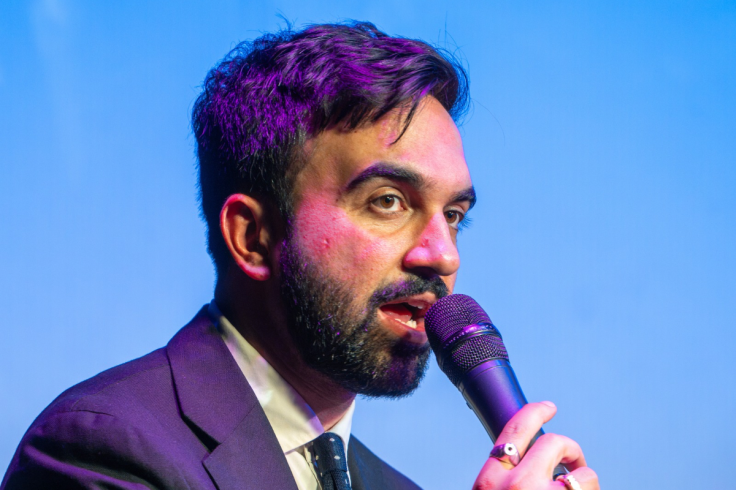
New York City Mayor Zohran Mamdani said on Thursday, 16 July, that he will refuse an 18% pay rise approved hours earlier by the New York City Council, insisting that 'no one' in the city believes the mayor is underpaid.
The council had just voted to lift salaries for themselves, the mayor and other top officials for the first time since 2016, arguing that inflation and rising living costs had made a review unavoidable. The package passed in a 42–6 vote, according to the council's tally, with moderate Democratic Speaker Julie Menin choosing to abstain.
Under the legislation, councilmembers' pay edges up from $164,500 to $175,500 (£122,363 to £130,546) a year. The mayoral salary, however, is set for a far steeper jump, from $258,750 to $305,800 (£192,742 to £227,270). If Mamdani accepted the offer, his annual pay would increase by $47,050, a sum larger than the average income in the Bronx.
Pay Rise Row Highlights Optics Of Public Salaries
The news came after years of political squeamishness over elected officials voting to raise their own salaries. Across the United States, lawmakers have regularly gone long stretches without a pay bump, wary of handing ammunition to critics who accuse them of looking after themselves while voters struggle.
New York City has been caught in the same bind. The last pay rise for city officials came eight years ago, and council leaders argued that costs have climbed by more than 30% since then.
Mamdani, a 34-year-old democratic socialist who runs a city larger than 39 US states by population, moved quickly to separate himself from the deal.
Speaking at a news conference on Thursday, he confirmed: 'I will not accept a pay raise.' Then, laughing, he added that in all his time canvassing in New York, 'I haven't knocked on anyone's door in New York City, and they've said that their concern is that the mayor makes too little.'
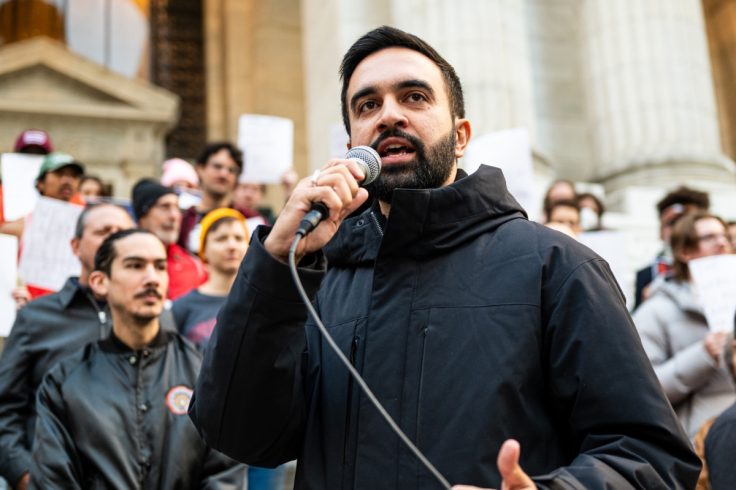
The line landed because it reflects a political reality most voters intuitively grasp. New Yorkers complain about rent, policing, schools, the price of a weekly shop. Mayor's salary, not so much.
Supporters of the council's vote point out that public pay has not kept pace with inflation, and that underpaying senior officials risks narrowing the field to the independently wealthy. But Mamdani's calculation appears to be different. Turning down the increase allows him to reinforce a core theme of his mayoralty, that government should be cutting waste and channelling every available dollar into services for residents.
According to data, Mamdani already earns more than all 50 US state governors. He also presides over a budget that surpasses that of most states, a reminder that New York City's finances operate on a different scale. Accepting nearly $50,000 (£37,192) in extra personal income, he signalled, would cut across his message that City Hall must tighten its own belt first.
Pay Rise Rejection Tied To Housing And 'Government Waste'
Mamdani has tried to cast himself as a mayor obsessed with redirecting money away from what he calls excessive government spending and into programmes that directly support cash-strapped New Yorkers. On the same day he rejected the pay rise, his attention was publicly fixed on unveiling a new set of housing policy proposals, including tougher oversight of what he described as 'deceptive' landlords and stronger tenant protections.
The juxtaposition was hard to miss. One moment, a pay deal that would lift his salary by a figure exceeding many residents' entire earnings. The next, a mayor insisting that the real emergency is unaffordable housing and the behaviour of rogue landlords.
If you were writing the script for a politician keen to burnish his anti-establishment credentials, you probably would have put those two events on separate days. Mamdani did not.
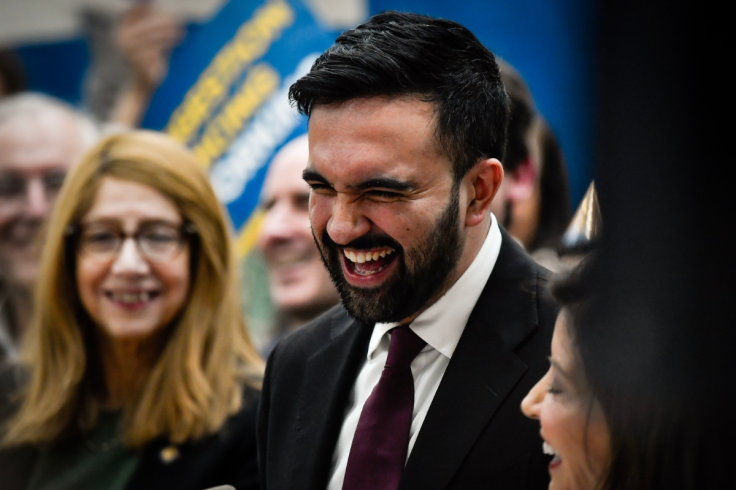
City council members have argued that their increase is relatively modest, especially compared with the mayor's 18% jump. Going from $164,500 to $175,500 (£122,363 to £130,546) represents a smaller uptick in raw cash and percentage terms. Officials also stress that the rises come after a long freeze, and that if salaries had been indexed to prices since 2016, they would be higher still.
Still, optics matter. At a time when New York tenants are being told to brace for rent increases and services are being scrutinised for savings, large headline pay rises for elected officials are a hard sell. Mamdani's refusal gives him a clean, simple story to tell: he is prepared to say no to extra personal income in order to keep faith with his own rhetoric about government waste.
Elected officials, especially those with national ambitions, know the power of that story. Declining pay rises has become something of a ritual for politicians who want to signal solidarity with voters. Some keep the money but pledge to donate it, others insist on freezing their wages. Mamdani chose the starker option, saying he would not accept the raise at all. Whether he could legally block it or would instead redirect any additional funds elsewhere was not detailed in his Thursday remarks.
What is clear is the political contrast. While the council made the case that the city needed to 'modernise' its pay scales after eight years, Mamdani framed his decision around what he hears from residents. No one, he said, is complaining that the mayor's office is underpaid. Many people are complaining that they cannot afford their rent.
New York City officials have not yet set out whether they will move to revisit the broader pay structure again in coming years or treat the 2024 package as a one-off catch-up. With inflation still unsettled and housing costs stubbornly high, the next salary debate is unlikely to be any less fraught.
© Copyright IBTimes 2026. All rights reserved.