

Alan Carr's Castle Auction Shows Why Britain's Historic Homes Are Becoming Multi-Income Ventures
From weddings to estate auctions, commercial ventures are helping heritage properties meet rising restoration and operating costs
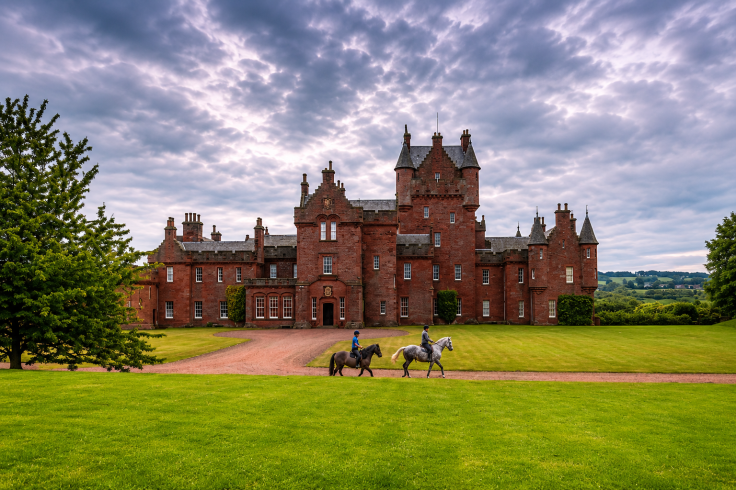
Selling unwanted contents is just one way castle owners generate income as historic estates evolve into commercial enterprises. Britain's historic castles are increasingly becoming businesses as much as heritage landmarks, relying on auctions, weddings, tourism, and events to fund soaring maintenance and restoration costs.
Alan Carr's recent auction of unwanted items from Ayton Castle in the Scottish Borders attracted attention because of the comedian's celebrity status. However, the sale also highlights a broader challenge facing owners of Britain's historic estates: preserving centuries-old properties increasingly depends on sustainable commercial income rather than private wealth alone.
From weddings and luxury accommodation to filming, guided tours, and estate auctions, many castles now operate diversified business models to generate year-round revenue. Carr's clearance sale offers another example of how Britain's heritage properties are adapting to remain financially sustainable.
Why Owning a Castle Has Become a Business
Buying a castle is only the beginning. Many listed heritage properties require continuous investment to maintain historic stonework, roofs, heating systems, landscaped grounds, and period interiors. Strict conservation regulations often mean repairs must be carried out using specialist materials and skilled craftspeople, adding significantly to long-term costs.
Insurance, restoration work, staffing, utilities, and ongoing maintenance can amount to substantial annual expenses, prompting owners to explore new ways of generating income beyond traditional visitor admissions.
Organisations representing Britain's historic houses have increasingly encouraged owners to diversify their businesses as operating costs continue to rise. Weddings, corporate events, holiday accommodation, filming, seasonal attractions, and exclusive experiences have become important revenue sources that help fund conservation while keeping many privately owned estates open to the public.
Alan Carr's Auction Reflects a Growing Trend
Carr purchased Ayton Castle earlier this year, and many of the contents left behind by the previous owners were recently offered at auction.
According to Railtons Auctioneers, the sale generated around £100,000 for the former owners. A Bentley Mulsanne sold for £24,000, while sculptures from the Branxton Cement Menagerie realised approximately £28,000. The only lot left unsold was a concrete cow sculpture, which Carr is expected to keep as a reminder of the collection.
Estate-clearance auctions have become another tool for heritage property owners looking to unlock the value of surplus assets, reduce storage costs, and prepare historic buildings for restoration or new commercial uses.
Britain's Historic Homes Are Finding New Ways to Earn
Across the UK, many castles and stately homes have expanded well beyond traditional guided tours. Properties such as Highclere Castle, Castle Howard, and Bamburgh Castle now generate income through hospitality, weddings, private events, film productions, luxury accommodation, retail sales, and seasonal attractions.
Diversifying income has become essential as maintenance costs rise and visitor numbers fluctuate. Commercial activities help fund conservation projects while allowing privately owned heritage sites to remain accessible to the public. For many owners, preserving history now depends as much on sound business planning as architectural restoration.
Why Heritage Properties Are Diversifying Income
Carr's auction illustrates a wider transformation taking place across Britain's heritage sector. Historic estates are increasingly run as diversified businesses, combining tourism, hospitality, licensing, accommodation, events, and asset sales to finance long-term preservation.
Rather than relying solely on private fortunes, many owners now operate commercial enterprises designed to protect some of the country's most significant historic buildings.
© Copyright IBTimes 2026. All rights reserved.