Nvidia CEO Jensen Huang Says US Chip Restrictions Helped Chinese AI Companies Grow
Jensen Huang discusses how US export controls have accelerated China's AI development
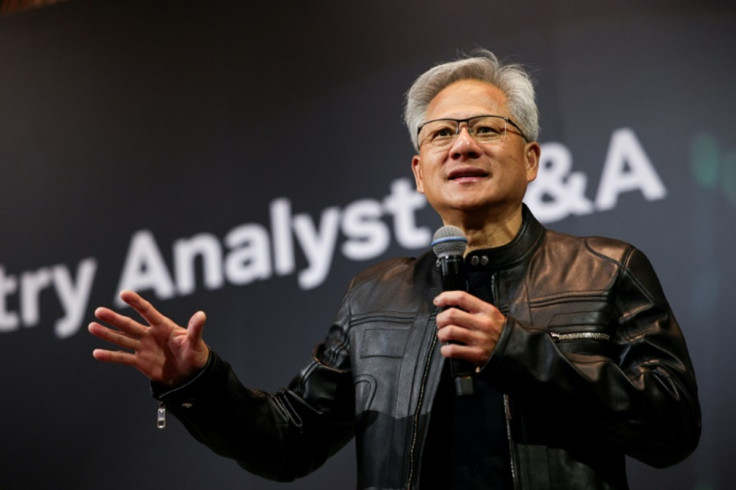
Nvidia chief executive Jensen Huang has said US export restrictions on advanced semiconductors helped Chinese technology companies accelerate the development of their own artificial intelligence industry. Speaking during an interview with CNA in Taipei, Huang said restrictions on Nvidia's chip sales to China created opportunities for domestic firms including Huawei and several local AI startups.
The comments come as tensions continue between Washington and Beijing over advanced semiconductor technology and artificial intelligence development. The United States has introduced multiple export controls in recent years aimed at limiting China's access to high-performance AI chips and related technology.
However, Huang suggested the restrictions may also have strengthened China's domestic AI industry by encouraging local companies to develop alternatives more quickly. He said Nvidia still intends to remain involved in the Chinese market despite increasing trade restrictions and competition from Chinese firms.
Jensen Huang Says Restrictions Created 'Vacuum'
During the interview, Huang said export controls prevented Nvidia from fully participating in the Chinese market, allowing local companies to expand rapidly in the company's absence.
'When we were banned from going to China through export controls, it left a vacuum that the Chinese companies were able to fill,' Huang said during the CNA interview.
He added that companies including Huawei and Chinese AI startups had experienced 'record years' and were now 'growing at an incredible pace'. Huang acknowledged that Nvidia's technology remained more advanced in some areas but argued that Chinese firms would continue improving whatever technology remained available to them.
The Nvidia chief also said governments naturally wanted local companies to succeed and suggested China's large domestic market would continue helping local AI firms develop rapidly.
Huawei And Chinese AI Firms Continue Expanding
Huang's comments came shortly after Huawei announced new semiconductor developments that Chinese state media said could help narrow the technology gap with Taiwan Semiconductor Manufacturing Company over the coming years despite ongoing sanctions.
Although Nvidia remains one of the world's leading AI chipmakers, restrictions on exports to China have increasingly limited the company's access to one of the world's largest technology markets.
HUAWEI's He Tingbo presents a sustainable evolutionary path for semiconductors enabled by shifting from geometric to time scaling, delivering benefits across the industry as a whole. pic.twitter.com/LdWqeqZ6ca
— Huawei (@Huawei) May 25, 2026
You can download the detailed Huawei paper on this announcement here:https://t.co/vKmcrhSjpo
— Tview (@Tviews_) May 25, 2026
The Kirin chip that implements this new design will be formally announced this fall in a few months. We won't have to wait until 2031. pic.twitter.com/2MDvo3grer
Huang stressed during the interview that Nvidia was 'not stepping back from China' and said the company still believed it could contribute to China's wider AI ecosystem if permitted to continue operating there.
He described artificial intelligence development as involving more than just semiconductor hardware, comparing the industry to a 'five-layer cake' involving chips, software, models and applications working together.
According to Huang, Nvidia competes in only one part of that wider ecosystem and still believes it can support AI development in China despite the growth of domestic chipmakers.
China Could Become 'Everybody's Rival'
Huang also warned that China's growing AI industry would eventually become a major global competitor because of the country's size and technological ambitions.
'China is going to be everybody's greatest rival,' he said, pointing to the scale of China's domestic market and the rapid pace of development within its technology sector.
Japan is also reportedly preparing a supplementary economic package worth around $19 billion linked partly to rising economic pressures connected to the conflict involving Iran, according to reports referenced during the CNA broadcast.
While US officials continue defending export controls as necessary for national security, Huang's comments highlighted growing debate over whether the restrictions are accelerating China's push to build a more independent AI and semiconductor industry.
© Copyright IBTimes 2026. All rights reserved.
- Recommended For You