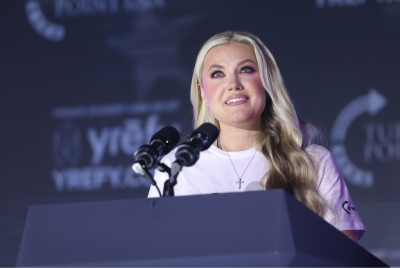
Charlie Kirk Post Sparks Massive Legal Loss for Indiana University as Woman Wins $225,000 Settlement
Legal victory reignites debate over free speech rights and political expression in the workplace.

A former Indiana university employee who was fired over a controversial social media post about conservative activist Charlie Kirk has secured a major legal victory, reigniting debate over free speech and political expression in the workplace.
Woman Fired Over Charlie Kirk Post Granted $225,000 Legal Settlement
Suzanne Swierc, who previously worked at Ball State University in Indiana, received a USD$225,000 settlement following a lengthy legal dispute over her dismissal stemming from a Facebook comment she posted in 2020. The case has drawn widespread attention from free speech advocates and political commentators, who argue that the firing raised serious First Amendment concerns.
The controversy began after Swierc made remarks on social media referencing Charlie Kirk, the conservative commentator and founder of Turning Point USA. Her post appeared shortly after unrest surrounding protests and political demonstrations across the United States, and university officials later claimed the comments violated workplace conduct standards.
According to reports, the university determined that Swierc's comments were inappropriate and terminated her employment. However, the decision quickly sparked backlash from civil liberties organisations and legal groups that argued public employees retain constitutional protections when expressing political opinions outside the workplace.
Swierc subsequently filed a federal lawsuit against the university, alleging that her termination violated her free speech rights. The legal complaint argued that the university unlawfully punished her for expressing political views on a personal social media account rather than for conduct directly tied to her job responsibilities.
After years of legal proceedings, the case ultimately ended in a settlement agreement that awarded Swierc USD $225,000 without requiring an admission of wrongdoing from the university. The outcome has been viewed by supporters as a significant victory for free speech protections in public institutions.
The settlement has also renewed broader discussions about the role of social media in employment decisions, especially at universities and government-funded institutions. Critics of the firing argue that employers increasingly monitor personal online activity and punish workers for controversial opinions, even when those statements are made outside professional settings.
Supporters of the university's original decision, however, have argued that educational institutions have a responsibility to maintain safe and respectful environments for students and staff, particularly during periods of heightened political tension.
What Happened to Charlie Kirk?
Charlie Kirk, who has frequently been at the centre of campus free speech debates, has not publicly commented in detail on the latest settlement. However, his organisation, Turning Point USA, has long accused universities of discriminating against conservative viewpoints and suppressing political dissent.
Legal experts say the case highlights the growing conflict between employee speech rights and institutional policies governing public conduct. Because Ball State University is a public institution, constitutional free speech protections played a major role in the legal challenge.
For Swierc and her supporters, the settlement represents vindication after years of legal uncertainty. For universities and public employers, the case may serve as another warning about the legal risks associated with disciplining workers over political speech made on personal platforms.
As debates over free speech and social media continue to intensify nationwide, the Indiana case is likely to remain a closely watched example of how courts and institutions navigate the increasingly blurred line between private expression and public employment.
© Copyright IBTimes 2026. All rights reserved.
- Recommended For You