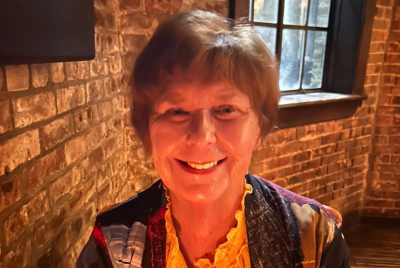
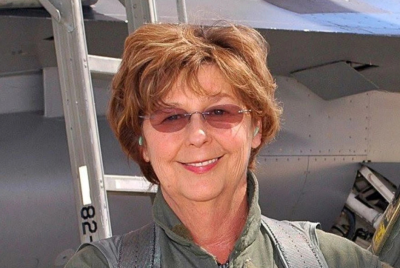
Nancy Guthrie Kidnapper Identified? Organised Crime Ring Suspected By Former Detective
A veteran investigator reveals why he believes the suspect's name is buried in the leads already held by authorities.

The disappearance of Nancy Guthrie has remained an enigma for over 100 days, yet a veteran investigator suggests that the breakthrough may already be sitting in police files.
The 84-year-old mother of NBC News anchor Savannah Guthrie was abducted from her home in Tucson, Arizona, on 31 January, and a retired Pima County detective now says he is convinced that investigators already have the kidnapper's name somewhere in the tens of thousands of leads pouring into her search.
Her disappearance has dominated local news in southern Arizona and drawn national attention in the United States since authorities revealed she had been taken from her house and failed to return. The FBI joined local law enforcement early on, public appeals have generated a deluge of tips, and more than $1 million in reward money has been pledged, yet detectives have not publicly identified a suspect or located Nancy.
Retired Pima County detective Robbie Mayer believes investigators already have the suspect’s name in the disappearance of Nancy Guthrie. https://t.co/5EtEKUNYxl
— TV Insider (@TVInsider) May 23, 2026
Into that vacuum stepped Robbie Mayer, a former detective with the Pima County Sheriff's Department, in an interview with News 4 Tucson on 20 May.
Mayer is not part of the current investigation, but he carries a particular kind of credibility in the city. In 1986, he helped crack Tucson's notorious 'Prime Time Rapist' case, tracking a serial burglar and attacker who had terrorised women across the area for years. Back then, the suspect, later identified as Brian Larriva, was believed to have broken into homes between 1983 and 1986, stealing and sexually assaulting female residents before slipping away. Police eventually closed in and surrounded his home. Larriva killed himself rather than be arrested.
Remembering that investigation, Mayer told the station that the sheer volume of information was almost paralysing. 'We ended up with more than 4,000 leads,' he recalled. 'One of the detectives had Larriva's name as a lead, but he hadn't gotten to it yet because he had so many leads in front of that.'
Why A Former Detective Thinks The Nancy Guthrie Clue Is Already Logged
It is that experience that colours Mayer's view of the Nancy Guthrie case. Officials have said they have received an extraordinary number of tips. Mayer put a figure on it, saying investigators now have around 50,000 leads to sift.
'I believe the suspect's names are in those 50,000,' he said. 'The question is if they can recognise it when they see it. Being in a case like this is like being in a field with rocks and what you're looking for is under one rock. You just have to keep turning.'
The point is simple but uncomfortable. In sprawling investigations, the breakthrough can arrive early, attached to a name that looks unremarkable at first glance. Unless someone notices, it gets buried under the next wave of calls and emails.
Current investigators have neither commented on Mayer's theory nor confirmed his 50,000‑lead estimate. Without that, his confidence that the suspect has already been mentioned to the police remains an informed guess rather than an established fact, though it fits with how complex missing‑person cases often unfold.
Where Mayer moves further into speculation is in his sense of who might have taken Nancy and why. He told News 4 Tucson he believes more than one person was involved and suggested a possible connection to a theft group that, he said, operated in Phoenix two years ago and targeted older people with money.
There has been no official confirmation of any link between that alleged group and the Gwyneth case. Detectives and the FBI have not named such a ring publicly or described it as a focus of their work, so Mayer's suggestion should be treated as a hunch from a retired officer, not a declared line of inquiry.
A 'Unique' Abduction With Few Obvious Patterns
Even so, Mayer is clear that this does not feel like a random snatch carried out on impulse. 'This case is so unique. Most of the time we try and find patterns. We can't in this case,' he said, underscoring how little standard profiling seems to apply.
He pointed to the apparent care taken by the kidnapper, or kidnappers, to avoid leaving a footprint. 'These guys came prepared not to leave hair or DNA. Look at how that guy was clothed. They turned off their cell phones.'
Those details have been reported through Mayer rather than in an official police press conference, and cannot be independently verified. If accurate, they paint a picture of an offender who understood basic forensic science and digital tracking, and deliberately worked around both. That, in turn, would help explain why investigators, months later, have not announced a DNA match or a breakthrough via mobile phone records.
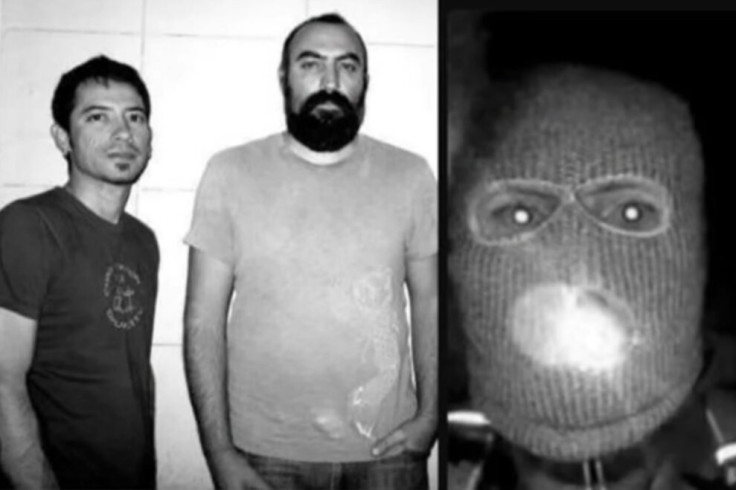
Despite that, Mayer sounded cautiously optimistic about the work underway. 'This is a very high-caliber investigation, and I think the FBI is gonna crack the case,' he told News 4 Tucson, arguing that persistence on the ground and in the labs would eventually pay off.
Detectives, for their part, say they are still processing DNA evidence and appealing to anyone who may have seen or heard something near Nancy Guthrie's home on the evening of 31 January to contact them. The reward fund, which has climbed above $1 million, is an unusually large sum even for a case with a national media hook, reflecting the determination of family, friends and strangers to elicit new information.
For now, the Savannah Guthrie family remains in limbo, with no confirmed sighting of Nancy since that night in January. As investigators continue to process blood evidence found at the scene and sift through the remaining tips, the public remains the primary source of hope. Officials urge anyone with information, however small, to contact the authorities. In a case where the suspect may already be named in the files, even the most overlooked tip could finally provide the key.
© Copyright IBTimes 2026. All rights reserved.
- Recommended For You