Oil Drops as US-Iran Fighting Pauses, But Analysts Warn Truce May Not Last
Oil prices plunge as investors bet on a US-Iran de-escalation, but Tehran denies any formal ceasefire, the Strait of Hormuz remains shut, and fresh attacks threaten to reignite the crisis.

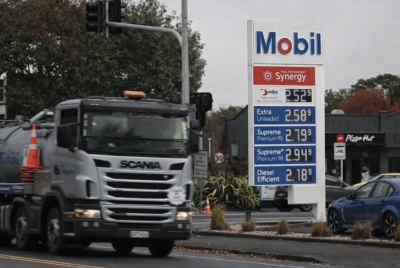
Oil prices fell by as much as 7% on Monday after a pause in fighting between the United States and Iran eased immediate concerns about disruptions to global energy supplies.
However, uncertainty remains after Iran denied reports of a formal 10-day ceasefire, the Strait of Hormuz remained closed and military operations continued elsewhere in the region.
The market reaction reflects growing expectations that the conflict may not escalate further, despite the absence of direct public negotiations between Washington and Tehran.
Investors are closely monitoring diplomatic developments because prolonged disruption to oil exports from the Gulf could significantly affect global crude supplies and energy prices.
Trump paused attacks on Iran to make space for talks, US ambassador says https://t.co/0s4CC7v1np
— BBC News (World) (@BBCWorld) July 26, 2026
Oil Prices Fall on Hopes of De-Escalation
Oil markets declined after the US military halted strikes on Friday following two weeks of hostilities, creating space for renewed diplomatic efforts.
Iran has also refrained from launching additional military operations against regional targets in recent days, while Oman has continued diplomatic contacts aimed at reducing tensions.
China has also supported renewed diplomatic engagement, including discussions involving regional partners.
For energy markets, any indication that the conflict could stabilise reduces expectations of prolonged supply disruptions, contributing to lower crude prices.
Oil markets frequently react not only to current supply conditions but also to expectations about future geopolitical developments. Reduced fears of supply interruptions can therefore lead to significant price movements even while broader security concerns remain unresolved.
Iran Rejects Reports of a Formal Ceasefire
Despite improving market sentiment, Iranian officials have disputed reports suggesting a formal agreement has been reached.
Iranian Foreign Ministry spokesperson Esmail Baghaei said on Monday that Iran 'currently has no negotiations with the United States.'
Instead, he said discussions are taking place with Oman regarding the future of the Strait of Hormuz and broader regional issues.
His comments contradict reports that Washington and Tehran had agreed to a 10-day ceasefire.
The distinction remains significant because officials have not announced a formal bilateral agreement ending hostilities, leaving open the possibility that tensions could rise again if negotiations stall or new military incidents occur.
The Strait of Hormuz Stays Closed
One of the most significant risks for global energy markets continues to be the closure of the Strait of Hormuz.
Before the conflict, approximately 20% of the world's oil supply passed through the strategic waterway, making it one of the world's most important energy shipping routes.
Baghaei confirmed on Monday that conditions in the strait 'have not changed and it is still closed.'
Oman has continued discussions with Iranian officials over possible arrangements for reopening shipping through the waterway.
According to Iranian officials, the talks have been constructive, although no agreement to resume commercial shipping has yet been announced.
Analysts have cautioned that even if diplomatic progress continues, restoring normal shipping operations could take time because of security concerns and the need for shipping companies and insurers to reassess risks in the region.
Fighting Continues Beyond US-Iran Front
Although direct confrontation between the United States and Iran has eased, military activity elsewhere in the Middle East continues.
Saudi Arabia has carried out strikes against Iran-backed Houthi targets in Yemen following attacks on vessels operating in the Red Sea.
Those developments have reinforced concerns about maritime security across two of the world's most important energy transport routes: the Strait of Hormuz and the Red Sea.
U.S. and Iran pause fighting to give peace talks 'space.' Here's where negotiations stand https://t.co/XvBCXaczsq
— CNBC (@CNBC) July 27, 2026
Separately, Ukrainian authorities reportedly struck an Iranian commercial vessel in the Caspian Sea that Kyiv alleged was transporting military cargo intended to support Russia's invasion of Ukraine.
Iran condemned the incident, describing it as a hostile act.
These developments illustrate that broader regional tensions remain unresolved despite the reduction in direct US-Iran military activity.
Markets Continue Watching Diplomatic Efforts
Future negotiations are expected to address several long-standing issues, including Iran's nuclear programme, sanctions, regional security and the reopening of the Strait of Hormuz.
Financial institutions continue monitoring those developments closely because prolonged disruption to Gulf energy exports could have significant consequences for global oil markets.
Deutsche Bank analysts have identified continued instability around both the Strait of Hormuz and the Red Sea as among the most significant risks facing energy markets.
While lower oil prices suggest investors expect tensions to continue easing, officials have yet to announce a formal agreement between the United States and Iran. With the Strait of Hormuz still closed and military operations continuing elsewhere in the region, markets remain highly sensitive to further diplomatic or military developments.
© Copyright IBTimes 2025. All rights reserved.
- Recommended For You