One Headline Tanked Oil Markets — So Why Is Gold Still Near Record Highs?
Gold prices should continue to rise if the US-Iran peace deal holds

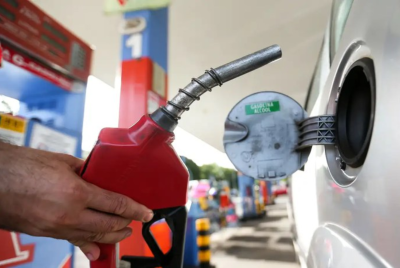
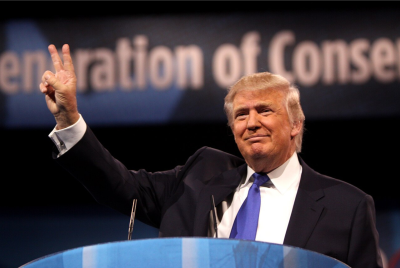
The West Texas Intermedia crude fell 2.3% to $78.88 per barrel after US President Donald Trump said the Strait of Hormuz could reopen as early as this week, renewing hopes that energy shipments through the strait would finally resume unhindered.
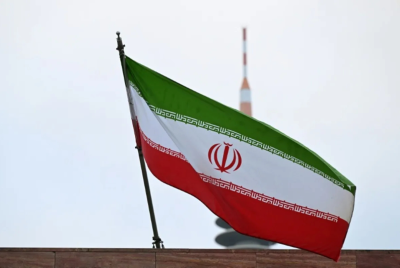
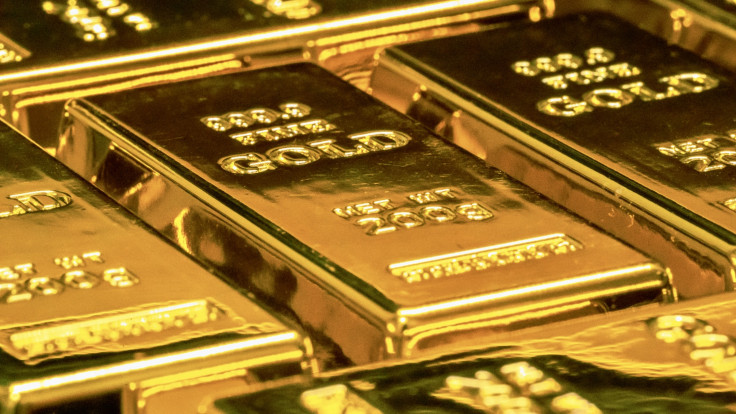
Energy prices fell and inflation concerns were slightly alleviated after the US and Iran announced an interim deal to end the months-long war and lift their maritime blockades. As energy and oil prices simmered, gold prices continued to surge, hovering around $4,365 per ounce during premarket hours on Tuesday.
Despite the fresh market optimism, allies and shipping experts are worried that mine-clearing, damaged infrastructure, and logistical hurdles could significantly delay a full return to normal traffic through the strait.
According to Bloomberg, gold has moved largely inversely to oil prices during the Middle East crisis, and higher energy costs and elevated inflation alongside forecasts of tighter monetary policy could weigh on non-yielding assets like gold. However, analysts believe gold could still be undervalued despite trading near record highs, with prices likely to rise if the peace agreement holds.
Top Factors Heavily Influencing Gold Prices
Gold prices fell sharply at the onset of the US-Iran war. Although a deviation from its usual trend, experts believe the selling pressure was largely driven by central banks monetising their gold reserves for emergency liquidity, rather than by investors engaged in panic-selling amid crashing prices.
Experts believe central banks buying gold, rising US debt, high inflation, and currency debasement will continue to drive gold prices higher in the future. Although gold's 'safe-haven' reputation was recently tested, Indosuez Wealth Management's Francis Tan recently told CNBC that 'gold as a safe haven certainly has played its part,' and 'a peace deal would suggest those tailwinds ease off.'
Meanwhile, BNP Paribas Fortis' Philippe Gijsels believes precious metals have shown a strong correlation with equities as both were impacted by fears of inflation driving up interest rates. When rates rise, all assets are pulled down, including precious metals, the analyst added.
Gold Prices to Reach $10K by 2030?
Rockefeller Global Investment Management strategist Doug Moglia recently told a media outlet that the brokerage believes gold will trade above $5,500 per ounce into 2027 and reach $8,000 per ounce before 2030, with an overshoot potential to $10,000 per ounce.
'Gold has been supported by persistent central bank purchases which accelerated starting in 2022 following the sanction of Russian foreign exchange reserves. However, 2025 marked an inflection point in the precious metals rally, as speculative momentum flows surged alongside a sharply weaker US dollar, which magnified the move into higher-beta metals such as silver and platinum,' Moglia wrote in a research note to clients.
'In this new bull cycle, the catalyst was the Russia-Ukraine war, and more specifically, the precedent set by sanctions on Russia's foreign exchange reserves,' he wrote. In all, Moglia believes central banks are likely to continue buying gold, and persistent demand should establish a higher floor and price for the precious metal.
Disclaimer: Our digital media content is for informational purposes only and does not constitute investment advice. Please conduct your own analysis or seek professional advice before investing. Remember, investments are subject to market risks, and past performance does not guarantee future returns.
© Copyright IBTimes 2026. All rights reserved.
- Recommended For You