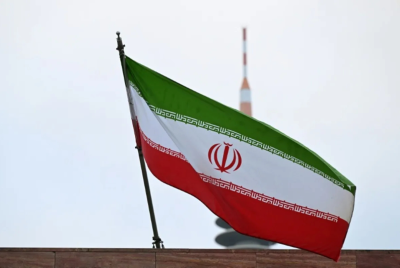
Stock Markets Surge and Oil Falls as Us and Iran Confirm Historic Deal To End War and Reopen Strait of Hormuz
Landmark agreement between Washington and Tehran sparks optimism, easing fears of energy disruption

Global stock markets surged on Monday after Washington and Tehran confirmed a landmark agreement to end their conflict and reopen the Strait of Hormuz, easing fears of prolonged energy disruption.
The actual signing of the US-Iran deal is scheduled to take place on Friday, 19 June 2026. It is a tentative deal on ending the hostilities in the Middle East which sent stocks soaring and oil prices dropping.
Market Rally as Peace Deal Sparks Global Relief
Japan's Nikkei 225 jumped more than five per cent in early trading, while South Korea's Kospi and Taiwan's Taiex also rallied strongly, reflecting investor optimism over the sudden geopolitical breakthrough.
US stock futures also climbed, with S&P 500 and Nasdaq contracts rising as traders reacted to news of the ceasefire and expected easing of global risk pressures.
Oil Collapse and Energy Outlook After Strait Reopening
Brent crude prices fell sharply by around four to five per cent, dropping below 83 dollars a barrel as traders priced in the return of oil flows through the key waterway.
Analysts said the deal could ease inflation pressures globally, but warned that full normalisation of shipping in the Gulf could take many months due to logistical delays and security concerns.
Trump Announces Reopening of Strait of Hormuz
US President Donald Trump said in a social media post that he had authorised the reopening of the Strait of Hormuz and the removal of naval restrictions, calling it a turning point for global energy stability.
However, shipping experts cautioned that despite the announcement, thousands of vessels remain stranded in and around the Gulf, with concerns over mines, damaged infrastructure and insurance risks continuing to slow recovery efforts.
Oil Prices Fall Across the Globe
Economists said the fall in oil prices would likely ease inflation pressures across major economies, giving central banks more room to consider interest rate cuts later in the year. Market strategists also noted that renewed stability in the Middle East could improve investor sentiment in Europe and the United States, especially in energy intensive sectors.
However, they warned that volatility could return quickly if implementation of the agreement falters or if regional tensions resurface unexpectedly. Energy analysts highlighted that reopening the Strait of Hormuz would be crucial for restoring global supply chains, though they emphasised the process would be gradual.
Prices Won't Go Back To Normal Immediately
The International Energy Agency previously estimated a shortfall of around fourteen million barrels per day during the disruption, underscoring the scale of the shock to global markets.
Insurance firms and shipping companies also warned that war risk premiums and logistical bottlenecks would not disappear immediately, even with a formal ceasefire in place.
It may take several months for global energy flows to return to the way it was, due to the logistical challenges of clearing the backlog of vessels in the Gulf and the need to clear Iranian naval mines in the water.
Despite the challenges, markets remained broadly optimistic, with traders betting that the agreement could mark a turning point for global trade, energy security and regional diplomacy over the coming months.
Us, Europe, Asia Need To Talk
Attention now turns to upcoming monetary policy meetings in the United States, Europe and Asia, where policymakers will assess whether the decline in oil prices provides enough confidence to adjust their inflation outlooks and potentially signal a shift toward looser financial conditions if stability holds.
Analysts also said that while the immediate market reaction has been strongly positive, the longer-term trajectory will depend on whether both sides fully implement the agreement, maintain open shipping routes and avoid renewed escalation that could disrupt energy supplies and reverse recent gains in investor confidence globally over the time period.
© Copyright IBTimes 2026. All rights reserved.
- Recommended For You