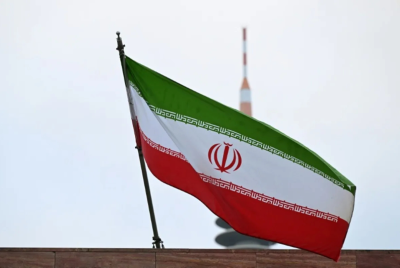
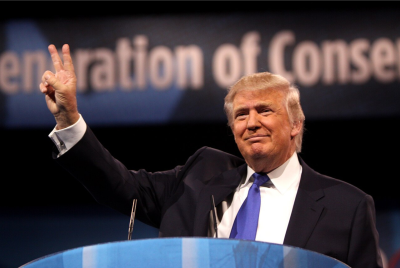
US Brands Itself 'Guardian Angel' of Middle East as Trump Warns Iran 'No Tolls in the Hormuz Strait'
Trump's stern warning to Iran over Hormuz Strait control sparks global economic concerns
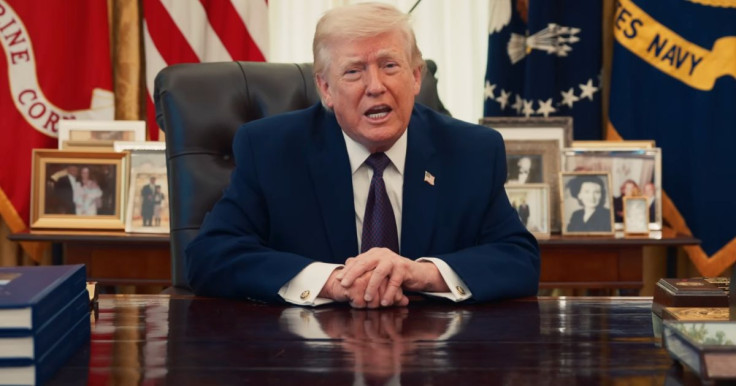
The United States has branded itself the 'Guardian Angel' of the Middle East as President Donald Trump warns Iran there will be 'no tolls' in the Hormuz Strait, with officials offering clashing narratives over who controls the strategic oil corridor, according to The Hill. The standoff centres on a 60-day framework to secure an agreement concerning Tehran's nuclear programme, with failure to meet the deadline potentially triggering US maritime fees that could fundamentally alter the region's economic landscape.
The Gulf Channel transports approximately 20 per cent of the daily worldwide oil supply and has continually served as Iran's main point of leverage during the conflict. Previous blockades have choked off vital supply routes and roiled the global economy, causing crude oil prices to peak at near record-highs of $126 (£100) per barrel in late April, making control of the waterway one of the most consequential disputes in global energy markets.
The Strait That Carries 20% of the World's Daily Oil Supply
Markets experienced relief earlier this week upon news that the passageway would fully reopen. Vice President JD Vance announced on Saturday that a record 16 million barrels of oil moved through the waterway within 24 hours. However, Iran's military command simultaneously declared its intention to close the corridor again due to Israeli military actions in Lebanon, directly undermining Washington's claims of a breakthrough.
Contradicting Claims Over Passage Security
Vance addressed maritime objectives during a morning interview on 'Fox & Friends Weekend'. 'One of the things the president has set us out to do as a high priority is to open the Strait. That's now happened,' Vance stated.
This optimistic assertion directly contradicted an announcement from Iran's joint military command. State broadcaster IRIB reported the official reversal in full: 'In view of the United States' bad faith and its clear breach of its commitments by failing to implement the first article of the memorandum ending the war, and in response to the continuous and ongoing violation of the ceasefire by the Zionist regime in southern Lebanon... It hereby announces that the Strait of Hormuz will be closed to the passage of vessels.'
Switzerland Talks Begin as 60-Day Nuclear Deadline Looms
The American delegation, including Vance, special envoy Steve Witkoff, and Jared Kushner, must hammer out specific terms regarding Tehran's nuclear ambitions within the 60-day window. Trump has also referenced a June operation that he said safely moved over 100 million barrels of oil and 200 ships through the corridor. While the timeline can be extended, the administration maintains an adaptable posture. 'I don't view it as hard [deadline],' Trump previously told reporters. 'Just as long as they're behaving, I really don't care that much.'
Trump took to Truth Social over the weekend to clarify his stance on maritime fees, writing from Camp David: '...there will be NO tolls after the 60 days has expired, unless they are imposed by and for the United States of America, should the deal not be completed, for services rendered as the Guardian Angel to the countries of the Middle East for purposes of both past, present, and future reimbursement of costs.'
Technical-level talks begin in Switzerland on Sunday, with both delegations facing a 60-day window to resolve disputes over Tehran's nuclear programme before the threat of US maritime fees comes into effect.
© Copyright IBTimes 2026. All rights reserved.
- Recommended For You