

Strait of Hormuz Crisis: Oil Surges 6% After Iranian Forces Attack Three Tankers, Prompting US Retaliation
Geopolitical tensions between the US and Iran lead to market volatility and rising oil prices.
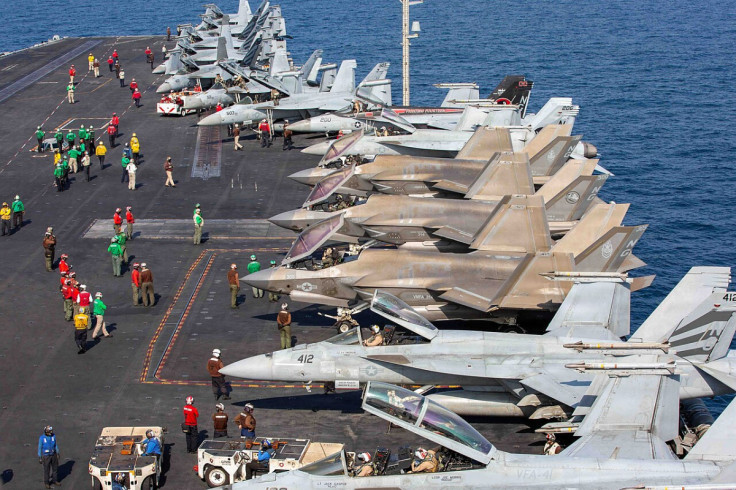
Oil prices surged more than 6% and US stocks retreated on Wednesday after attacks on three commercial tankers in the Strait of Hormuz prompted a swift American response, reigniting fears that the fragile ceasefire between Washington and Tehran could be unravelling.
The US Iran ceasefire is over.
— IG (@IGcom) July 8, 2026
Oil up 5% to $74. Nasdaq down 1.3% pre-market. FTSE down 1.5%. DAX down 2%.
The Strait of Hormuz is back in focus. It is all kicking off again 👀#Iran #OilPrice #Hormuz #IGMarkets pic.twitter.com/58k2eEG41h
The renewed tensions rattled global financial markets almost immediately. Brent crude climbed back toward levels seen during the height of the Iran conflict, while investors shifted away from risk assets amid concerns that disruption in one of the world's busiest energy corridors could have far-reaching economic consequences.
President Donald Trump added to the uncertainty hours later by declaring the ceasefire with Iran was 'over' and dismissing further diplomacy as 'a waste of time dealing with them,' reinforcing concerns that the latest confrontation could develop into a broader regional crisis.
Tanker Attacks Trigger Sharp Reversal in Oil Markets
Brent crude rose 6.3% to $78.80 a barrel, while West Texas Intermediate gained 6.4% to $75 after reports of the attacks and the subsequent US response. The move reversed a recent decline that had pushed West Texas Intermediate below $70 a barrel, effectively returning crude prices to levels seen before fighting between the United States and Iran intensified earlier this year.
Oil prices rose Wednesday after the U.S. launched fresh strikes on Iran in retaliation for Tehran attacking commercial vessels in the Strait of Hormuz.
— CNBC (@CNBC) July 8, 2026
West Texas Intermediate futures for August delivery rose 5.2% to $74.13 per barrel. Futures for International benchmark Brent… pic.twitter.com/F3Xry9eZb8
Markets remain especially sensitive to developments in the Strait of Hormuz, through which roughly a fifth of the world's oil supply passes. Any threat to shipping in the narrow waterway has historically led traders to price in the possibility of supply disruptions, even before any physical shortages emerge. The latest escalation revived exactly those concerns, with energy traders responding quickly as uncertainty returned to the market.
Wall Street Retreats as Ceasefire Comes Under Fresh Pressure
The geopolitical uncertainty spilled into U.S. equities, although losses remained relatively measured. The Dow Jones Industrial Average fell 479 points, or 0.9%, to 52,446. The S&P 500 declined 0.4%, while the Nasdaq Composite slipped 0.2%.
The Dow has posted its biggest bearish gap in 5 weeks and is currently sporting the biggest daily drop (-1.2%) in 3 weeks on President Trump's announcement that the 'ceasefire is over' and 'will probably hit them again tonight' pic.twitter.com/ETOwCiRAcJ
— John Kicklighter (@JohnKicklighter) July 8, 2026
Ryan Sweet, chief global economist at Oxford Economics, said the renewed volatility reflected concerns that an already fragile peace agreement could be entering a more dangerous phase.
'The ceasefire between the U.S. and Iran was always fragile, and some flare-ups were inevitable, unfortunately,' Sweet said. 'The question is whether this represents a bump in the road or whether we're emerging from the eye of the storm.'
Trump's declaration that the ceasefire had effectively ended only reinforced those concerns, leaving investors weighing whether the latest violence would remain contained or evolve into a wider military confrontation.
Higher Energy Prices Complicate Inflation Outlook
The rebound in crude prices also renewed concerns about inflation, with higher fuel costs threatening to ripple through transportation, manufacturing and consumer spending.
Should oil remain elevated, economists warn that the Federal Reserve could become more cautious about lowering interest rates, potentially keeping borrowing costs higher for businesses and households.
Sweet argued that the consequences of a breakdown in the ceasefire would likely extend well beyond energy markets.
'If the peace deal breaks, and it's too early to tell, it won't just raise oil prices; it would also increase pressure on AI supply chains in Asia, force central banks to be hawkish, tighten financial conditions and could shift the outcome of the U.S. midterms,' he said.
The comments illustrate how geopolitical shocks can spread rapidly across financial markets, influencing everything from supply chains and inflation expectations to monetary policy and investor confidence.
Washington Responds With Fresh Pressure on Tehran
The Trump administration also tightened economic pressure on Iran following the tanker attacks.
The Treasury Department revoked 'General License X,' a waiver introduced two weeks earlier under an interim peace agreement that had allowed limited Iranian oil sales. Officials said it would be replaced by a narrower exemption, further restricting one of Tehran's remaining avenues for energy exports.
The move signalled that Washington was responding on both military and economic fronts, adding to uncertainty over whether the ceasefire could survive the latest escalation.
Not all analysts believe the latest flare-up will develop into a prolonged conflict. Vital Knowledge analyst Adam Crisafulli said: '...we continue to think the White House is extremely reluctant to escalate militarily and fully return to hostilities and therefore, a deal remains much more likely than not.'
Alex Kuptsikevich, chief market analyst at FxPro, agreed that markets may prove more resilient. 'The market has adapted to the reduction in traffic through the Strait of Hormuz, found alternative routes, and global demand has fallen,' he said. Whether that optimism proves justified will depend on developments in the coming days.
© Copyright IBTimes 2026. All rights reserved.