Oil Price Update: Brent Crude Hits $107.81 Per Barrel Following $2 Daily Gain
Analysts say the latest oil price spike underscores how sensitive global energy markets remain to economic and geopolitical shocks.

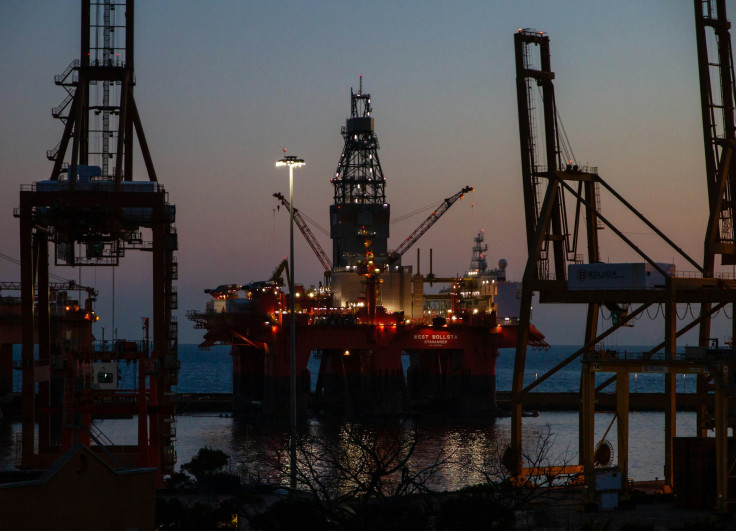
Oil prices climbed sharply on Thursday morning, with global benchmark Brent crude trading at $107.81 per barrel at 9 a.m. Eastern Time, up $1.96 from the previous day and roughly $34 higher than a year ago, according to market data compiled by analyst Joseph Hostetler (via Fortune). The latest oil price surge puts Brent back into territory that households, businesses and central banks had hoped was firmly in the past.
The news came after a volatile year in energy markets that has repeatedly wrong-footed forecasters. Just twelve months ago, Brent crude was priced at $73.90 per barrel. One month ago, it was even lower at $71.24. That means the benchmark has risen about 46 per cent over the year and more than 51 per cent in the past month alone, a rapid escalation that points less to a neat economic story and more to markets grappling with overlapping anxieties about supply, growth and geopolitics.
Yesterday morning, Brent stood at $105.85, already uncomfortably high for governments trying to keep inflation under control. A further 1.85 per cent gain in a single day is not unprecedented, but it is the kind of move that makes finance ministries quietly re-run their spreadsheets and motorists glance a little harder at the forecourt display.
Oil Price Surge Rekindles Old Inflation Fears
For context, the mechanics behind any oil price rally are both simple and maddeningly opaque. In theory, it comes down to supply and demand. In practice, the market reacts to a tangle of factors that can change direction overnight. Hostetler notes that fears of economic recession, war and other large-scale disruptions can cause oil's trajectory to shift very quickly. Traders watch everything from OPEC decisions and shipping bottlenecks to unexpectedly strong factory output in major economies.
There is no reliable formula that tells you whether oil will go up or down next week. Analysts tend to agree on one thing only: it is 'impossible to forecast oil prices with detailed precision.' Historically, episodes of war, embargoes and production cuts have triggered price spikes, while global recessions and oversupply have led to crashes. The current level of $107.81 sits within a long pattern of violent swings rather than on any kind of gently rising curve.
Still, the direction of travel over the past month is undeniably upwards, and that has immediate consequences beyond the trading floor. Even in an age of electric vehicles and renewable power, oil remains the fuel that underpins global transport and a large chunk of industry. When the oil price jumps, the shock eventually reaches supermarket shelves and household energy bills.
What The Oil Price Means At The Petrol Pump
Drivers, of course, feel it first at the pump. But petrol and diesel prices do not move in perfect lockstep with the oil price, and that mismatch frequently irritates consumers.
Hostetler points out that the cost of fuel at the forecourt reflects much more than crude. Refining costs, transport, taxes and the margin taken by the filling station all sit on top of the base commodity. Crude oil, however, usually makes up the largest portion of what motorists pay per gallon or litre, which is why a sustained jump in Brent almost always feeds through to higher pump prices.
The relationship is lopsided. When oil prices spike, fuel costs tend to shoot up rapidly. When oil prices fall, retail prices often drift down much more slowly. Economists have given this pattern a memorable label: 'rockets and feathers', with the rocket describing the rapid ascent when markets tighten and the feather describing the leisurely descent when conditions ease.
Governments have few quick levers to break that pattern. In the United States, one of the most visible tools is the Strategic Petroleum Reserve, a set of emergency crude stockpiles originally designed for national security. In times of severe disruption or shock, it can be tapped to inject additional supply and ease prices, at least temporarily. Hostetler stresses that this is not a long-term fix but a way to soften the worst of a crunch and keep critical services and industries functioning.
Oil Price Volatility Spills Into Other Energy Markets
The oil price does not exist in a vacuum. It interacts with other parts of the energy system, particularly natural gas. Because both are central to power generation, heating and industrial processes, a surge in oil can push energy-intensive businesses to look for alternatives where possible.
If oil becomes significantly more expensive, some sectors may shift certain operations to natural gas, which in turn lifts gas demand. That does not mean the two commodities move in perfect unison, but Hostetler argues that a 'big change in oil prices can affect natural gas,' especially when businesses are already under cost pressure.
© Copyright IBTimes 2026. All rights reserved.
- MOST POPULAR IN Markets