US Petrol Prices Hit Four-Year High? Reports Claim Gridlock Over Reopening of Strait of Hormuz Sent Cost to $4.18 a Gallon
Geopolitical tensions over the Strait of Hormuz drive US petrol prices to a four-year high, impacting consumers nationwide

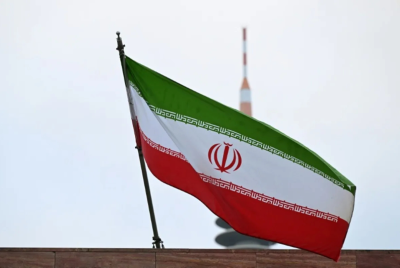
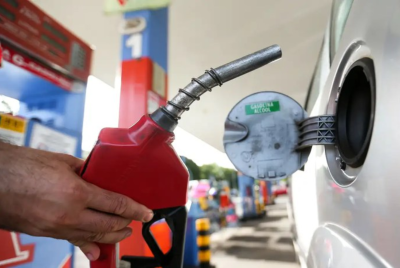
US petrol prices have surged to the highest levels in four years, with the average cost of fuel reaching $4.18 (£3.09) per gallon. This sharp rise comes amid ongoing geopolitical tensions, particularly a gridlock over the reopening of the Strait of Hormuz, a crucial maritime passage for global oil trade. As the cost of crude oil continues to rise, the stalled negotiations between the US and Iran have left no immediate resolution in sight.
According to a report published by the Guardian on 28 April 2026, US petrol prices rose to $4.18 (£3.09) per gallon on Thursday — the highest in four years, and a $1.03 (£0.76) increase compared to the same period last year, when the average price stood closer to $3.15 (£2.33) per gallon.
BREAKING: Average gasoline prices rose to $4.18 a gallon on Tuesday, according to AAA data, reaching their highest level since the early days of the Russia-Ukraine war in 2022.
— USA TODAY (@USATODAY) April 28, 2026
The price rise came amid fears of a protracted energy crisis as Washington and Tehran appeared… pic.twitter.com/23cvdfR0gf
The Rising Cost of Petrol in the US
The last time petrol prices were this high was in August 2022, shortly after Russia invaded Ukraine, which caused a major disruption to global oil supplies. The current situation shares striking similarities with oil prices once again being driven up by geopolitical factors. As of now, the US has yet to find a viable solution to the gridlock over the Strait of Hormuz, which remains a vital artery for the global supply of oil and petrol.
Geopolitical Tensions and Their Impact on Oil Prices
A CNBC report notes that the Strait of Hormuz is one of the most important oil chokepoints in the world, through which approximately 20 per cent of the globe's oil passes. The ongoing stand-off over its reopening has left markets in flux. While US and Iranian officials have engaged in peace talks, no consensus has been reached on the terms of reopening the strait, with both sides holding firm on their positions. The US has imposed a naval blockade on the strait, while Iran has pushed for its immediate reopening without addressing the nuclear deal that continues to divide both parties.
The political impasse has not only affected the price of petrol but has also caused wider instability in global oil markets. Oil-producing nations, especially in the Middle East, have found it difficult to clear exports through the Strait of Hormuz, disrupting the supply chain. This has been compounded by the United Arab Emirates' announcement to leave the OPEC oil cartel, according to the Guardian. Meanwhile, oil prices have surged, with the Brent crude benchmark hitting $111 (£82.02) per barrel and WTI crude hovering near $100 (£73.89) per barrel — a nearly 60 per cent rise compared to pre-war levels.
What's Next for US Consumers?
With US petrol prices now averaging $4.18 (£3.09) per gallon, many consumers are feeling the pinch. The price spike has been particularly impactful in states that rely heavily on imported petrol, with California seeing prices as high as $5.96 (£4.40) per gallon. Oil-producing states such as Texas are witnessing more moderate increases, with petrol averaging $3.72 (£2.75) per gallon.
The ongoing crisis in the Strait of Hormuz is expected to keep oil prices elevated, putting further pressure on consumers already dealing with the effects of inflation.

Oil Companies Stand to Gain from Rising Prices
While consumers struggle with rising petrol prices, oil companies have seen their profits soar. BP reported a substantial increase in profits, with the company's first-quarter earnings rising to $3.2 billion (£2.36 billion), according to CNBC.
As the global oil market continues to navigate these challenges, it remains to be seen whether the US government will take action to ease the financial burden on American consumers. In the meantime, the gridlock over the Strait of Hormuz shows no signs of abating, leaving both the oil market and US petrol prices in a state of uncertainty.
For now, consumers will have to brace for continued fluctuations in petrol prices as geopolitical tensions persist and the global oil market remains volatile.
© Copyright IBTimes 2026. All rights reserved.
- Recommended For You