

Trump Shocks Critics After Calling Strait of Hormuz Shutdown the 'Smartest Move in History'
Trump's 'smartest move in history' boast on Hormuz shutdown clashes with surging oil prices and a collapsing ceasefire
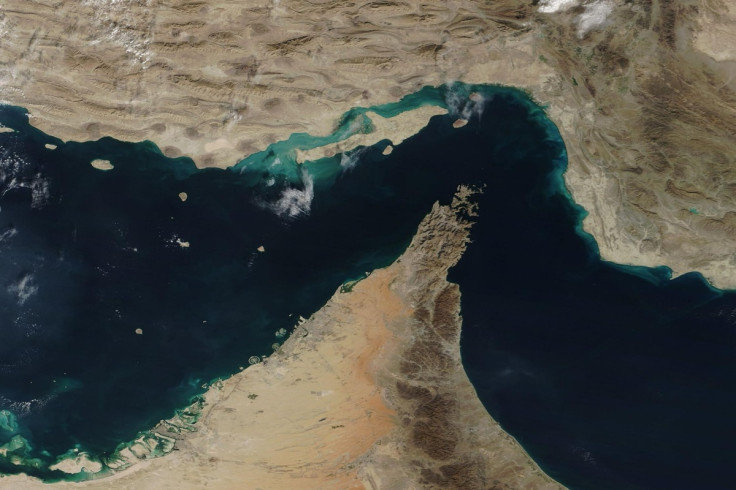
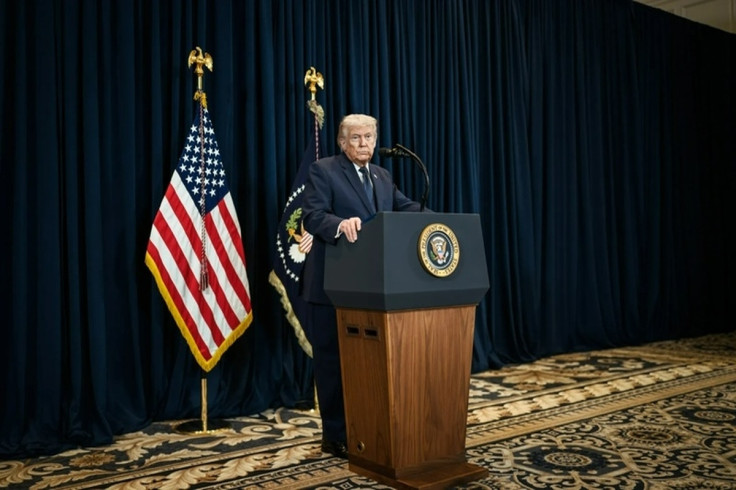
President Donald Trump doubled down Monday on his defence of the Strait of Hormuz shutdown, calling it the smartest geopolitical decision in modern history even as petrol prices climbed and US-Iran peace talks showed signs of irreversible breakdown. The comments, made from the Oval Office, drew immediate disbelief from foreign policy experts and allied governments.
It is not the first time Trump has framed the crisis on his own terms. Facing mounting economic pressure at home, the president insists the near-total blockage of the world's most critical oil corridor creates long-term advantages for American energy — a claim the market data has so far failed to support.
Trump's 'Smartest Move' Claim Over the Hormuz Blockade Stuns Allies
Speaking to reporters, Trump insisted that domestic energy producers in Texas, Louisiana and Alaska stood to gain enormously from the redirection of global oil demand.
'When people heard about losing Hormuz, they said, "Oh, this is, it's genius." They're finding other locations,' the president said, adding that prices would 'drop like a rock' once the conflict concluded.
He simultaneously proposed a temporary federal gas tax waiver to cushion consumers against rising costs — a tacit acknowledgement that the shutdown has inflicted real financial pain on American households.
The numbers, however, tell a different story. Brent crude was trading above $103 (£76.28) per barrel on Monday, while the US benchmark WTI briefly surpassed $100 (£74.06) — levels not seen since the earliest days of the conflict.
The American Automobile Association reported that the national average petrol price has climbed to $4.52 (£3.35) per gallon, with analysts attributing the bulk of that increase directly to the near-complete blockage of the strait.
Iran War and Hormuz Blockade Push Peace Talks to Breaking Point
On the diplomatic front, the picture is equally fraught. Iran communicated its response to the latest US peace proposal via Pakistani intermediaries on Sunday, only for Trump to dismiss the submission publicly as 'TOTALLY UNACCEPTABLE.' He declared the ceasefire 'on life support' and 'unbelievably weak,' telling reporters he had not even finished reading Tehran's offer before rejecting it.
Iran's terms included war reparations, full sovereignty over the Strait of Hormuz, the lifting of the US naval blockade, sanctions relief and the unfreezing of Iranian assets. Iranian foreign ministry spokesman Esmail Baghaei described the package as 'a generous and responsible offer,' framing Tehran's position as entirely legitimate under international law.
Traffic through the strait has been reduced to near zero since hostilities began on 28 February 2026, in what JPMorgan has described as the first near-total stoppage in the waterway's recorded history.
Intelligence firm Kpler recorded only three tanker crossings on Sunday — two carrying oil — against the hundreds of daily passages routine before the conflict. JPMorgan analysts warned that the market risks losing 100 million barrels weekly until the strait reopens, cautioning that even a full reopening by June may not prevent prolonged market instability.
Trump has not ruled out a return to large-scale airstrikes should Iran decline to reach an agreement on both the Strait and its nuclear programme. Asked plainly on Friday whether the war was over, the president offered a single-word answer: 'No.'
© Copyright IBTimes 2026. All rights reserved.
- Recommended For You


