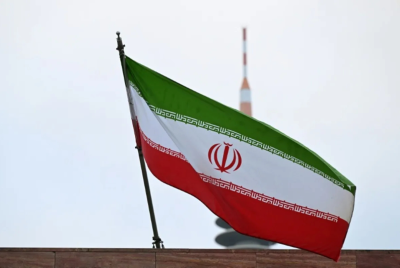
Strait Of Hormuz Update: Fears Grow Over Iranian Sea Mines In 'Danger Zone'
Strait of Hormuz Faces Increased Risk Due to Iranian Mines


Fears mount over the presence of Iranian sea mines along a reported 'danger zone' straddling one of the world's busiest oil‑shipping corridors, the Strait of Hormuz. Intelligence assessments indicate at least a dozen Iranian‑made mines are now scattered through the waterway, sources told CBS News.
The devices reported include the Iranian‑manufactured Maham‑3 and Maham‑7 limpet mines, which detect vessels and detonate in proximity or on contact. Once activated, these mines are extremely difficult to detect and even more difficult to remove, posing danger to commercial and military ships.
Strait of Hormuz Navigable via Alternative Route
Iranian news outlets ISNA and Tasnim acknowledged the precarious environment, which is labelled a 'danger zone' on their published charts. Ships are advised an alternative route that travels further north through waters closer to Iran's mainland, the Daily Star reported.
Iran's foreign ministry stated that 'non-hostile' vessels may use the waterway using the Iranian-controlled tolling system, according to Maritime Executive. 'open in principle,' 'U.S. Central Command has been actively engaged in a campaign to destroy Iran's minelaying capability before it deploys by targeting Iranian naval forces, including smaller craft,' the outlet added.
'The Department of War has destroyed over 40 minelaying vessels to stop Iran from attempting to disrupt the free flow of energy,' White House spokesperson Anna Kelly said in a statement. 'And thanks to President Trump, many countries around the world have agreed to help in this effort.'
Donald Trump Threatens Escalated Military Response
US military presence will remain in and around Iran until a 'real agreement' is 'reached and fully complied with,' Trump asserted in his Truth Social post. 'If for any reason it is not, which is highly unlikely, then the "Shootin' Starts," bigger, and better, and stronger than anyone has ever seen before,' he threatened.
The Strait of Hormuz Risk Gauge, a live index tracking the likelihood of closure, now stands at 87 out of 100, placing the waterway in the 'critical' category. The gauge notes that 'commercial shipping has effectively ceased' since 21 March, and that war‑risk insurance is already unavailable for most vessels bound through the strait.
Two-Week Ceasefire Received with Cautious Optimism
More than 400 oil-laden tankers are currently anchored outside the chokepoint, many unable or unwilling to risk passage through the 'danger zone.' The combination of mines, drones, and missiles has made the Strait too dangerous to operate through under normal commercial terms, a shipping executive told NPR.
The US and Iran agreed to a two-week ceasefire on Wednesday. Danish shipping company Maersk is optimistic about the news, but asserted it is taking 'a cautious approach, and we are not making any changes to specific services.'
'Any decision to transit the Strait of Hormuz will be based on continuous risk assessments, close monitoring of the security situation, and available guidance from relevant authorities and partners,' a company spokesperson explained.
Global energy markets are already reeling from the disruption, with Brent crude prices surging above £74 ($100) dollars a barrel. For now, the 'danger zone' remains a no‑go area for most commercial shipping, turning the Strait from a conduit of global trade into a tense maritime frontier.
© Copyright IBTimes 2026. All rights reserved.
- Recommended For You