NASA Astronaut Reid Wiseman Told His Daughters Where His Will Is Before Historic Mission, Then They Hid A Surprise In His Bag
A single dad and NASA astronaut Reid Wiseman's heartfelt moment with his two daughters before the historic Moon mission has moved the world
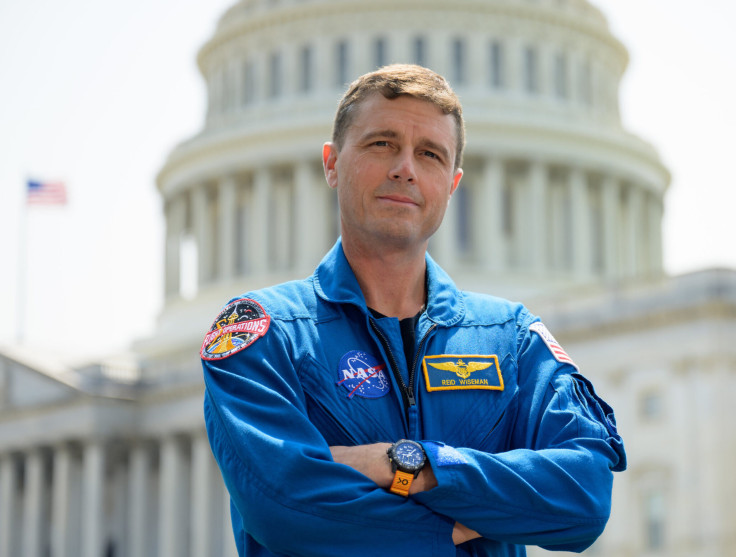
Before Artemis II commander Reid Wiseman boarded a rocket bound for the Moon, he took his two teenage daughters for a walk and told them where to find his will.
'I told them, 'Here's where the will is, here's where the trust documents are, and if anything happens to me, here's what's going to happen to you,' the Artemis II commander said at a NASA news conference in January, the Baltimore Banner reported. 'That's just a part of this life.'
It is a conversation no parent wants to have. For Wiseman, 50, it carried particular weight. He has been raising daughters, Ellie, 20, and Katherine, 17, on his own since 2020, after his wife, Carroll Taylor Wiseman, died of cancer at the age of 46. She had been a neonatal intensive care nurse. The illness lasted five years.
Days after that walk, while packing his gear for the mission, Wiseman found something tucked into his luggage. One of his daughters snuck homemade cookies inside his flight bag.
He posted a photo on Instagram. 'When you are packing for the Moon and discover your daughter snuck some cookies she made into your luggage. My heart can't take it!' he wrote.
Wiseman launched aboard the Orion spacecraft at 6:24 p.m. EDT on 1 April from Kennedy Space Centre in Florida, commanding the first crewed mission to the Moon since Apollo 17 in December 1972. He is joined by NASA astronauts Victor Glover and Christina Koch and Canadian Space Agency astronaut Jeremy Hansen.
A Single Father Who Stepped Back From Flying to Raise His Girls
While Carroll was sick, Wiseman quietly stepped away from active flight assignments. He served as deputy chief and then chief of NASA's Astronaut Office beginning in December 2020, keeping himself grounded so he could be home. He returned to the flight rotation in November 2022, and NASA selected him to command Artemis II shortly after.
NASA's official biography describes single parenthood as the defining chapter of his life. 'Despite a long list of professional accolades, Reid considers his time as an only parent his greatest challenge and the most rewarding phase of his life,' the agency wrote.
His daughters initially had what he called 'zero interest' in him flying again after his 165-day stint on the International Space Station in 2014. They eventually came around. One baked moon-themed cupcakes the morning after they talked it through. But Wiseman was candid about the cost. The hardest part, he said, was the stress the mission placed on them.
On the eve of launch, he posed for a selfie with both daughters in front of the 322-foot Space Launch System rocket. 'I love these two ladies, and I'm boarding that rocket a very proud father,' he wrote.
'I actually wish more people in everyday life talked to their families in that way because you never know what the next day is going to bring,' he said of the will conversation.
Artemis II Crew Names Lunar Crater After Wiseman's Late Wife
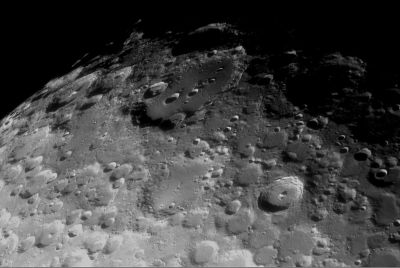
On 6 April, as the crew surpassed the farthest distance humans have ever travelled from Earth—breaking Apollo 13's 1970 record of 248,655 miles (400,171 kilometers)—mission specialist Jeremy Hansen proposed naming a crater after Carroll Wiseman.
'It's a bright spot on the Moon. And we would like to call it Carroll,' Hansen said during a live broadcast, his voice breaking. Wiseman wiped his eyes. The two embraced, and crewmates Glover and Koch joined for a group hug. The crew reached an anticipated maximum distance of 252,760 miles (406,773 kilometres) from Earth later that day.
Watching from Florida was Wiseman's 83-year-old father Bill, who was diagnosed with metastatic prostate cancer in 2020. 'I wanted to stay alive to see it,' he told the Baltimore Banner.
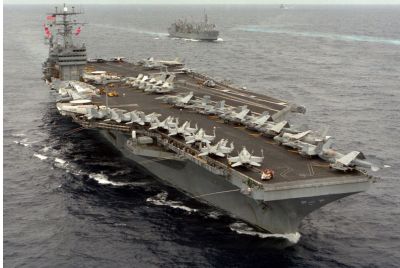
Wiseman is a 27-year US Navy veteran who flew F-14 Tomcats and F/A-18 Super Hornets on combat deployments to the Middle East. NASA picked him from 3,500 applicants in 2009. At 50, he is the oldest person to travel beyond low Earth orbit. The mission is expected to last more than nine days before splashdown in the Pacific Ocean.
© Copyright IBTimes 2026. All rights reserved.
- Recommended For You