NASA Confirms Artemis II Earth Photo Was Taken on an iPhone 17 Pro Max
Artemis II reaches historic milestone with iPhone 17 Pro Max on board.

NASA's Artemis II mission, the first crewed lunar flyby in more than half a century, has produced some of the most iconic images of Earth in over 50 years. NASA confirmed that the striking photograph of Earth from space was taken using an iPhone 17 Pro Max aboard the spacecraft.
NASA released one of the first Earth images from the Artemis II crew, a full-view shot showing auroras over both poles and the subtle glow of zodiacal light, shortly after the Orion spacecraft completed its translunar injection burn, described by NASA as a 'six-minute firing of the spacecraft's service module engine,' and departed Earth's orbit.
The photo, which NASA captioned, 'Hello, World,' was taken from inside the Orion capsule by the mission's commander Reid Wiseman and represents the earliest downlinked image from this crewed deep-space mission.
Artemis II Reaches Significant Milestone
Artemis II lifted off on 1 April 2026 from NASA's Kennedy Space Center in Florida at 6:35 p.m. EDT, carrying four astronauts - Reid Wiseman, Victor Glover, Jeremy Hansen and Christina Koch - on an approximately 10-day journey around the Moon and back, marking the first NASA crewed mission to fly beyond low Earth orbit since Apollo 17 in 1972.
Acting associate administrator for the Exploration Systems Development Mission Directorate at NASA Headquarters in Washington, Dr. Lori Glaze, said in NASA's news release, 'Today, for the first time since Apollo 17 in 1972, humans have departed Earth orbit. Reid, Victor, Christina and Jeremy now are on a precise trajectory toward the Moon. Orion is operating with crew for the first time in space, and we are gathering critical data, and learning from each step.'
These images were shot on iPhone 17 Pro Max… WOW https://t.co/1Ha33sSYfT pic.twitter.com/WH7k8pjV71
— Shishir (@ShishirShelke1) April 4, 2026
Dr. Glaze described the achievement as a significant milestone for the Artemis program, noting that while the mission still has eight more days of operations ahead, the agency is proud to share this progress. She said, 'Each milestone we reach marks meaningful progress on the path forward for the Artemis program. While we have eight intensive days of work ahead, this is a big moment, and we're proud to share it with the world.'
iPhone 17 Pro Max in Deep Space
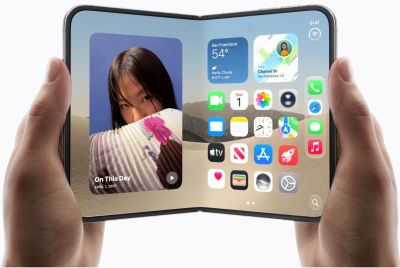
While NASA regularly flies specialised cameras on missions, Artemis II marked a notable first with the formal inclusion of Apple's iPhone 17 Pro Max devices on a NASA spacecraft. According to an AppleInsider report, the smartphones underwent a multi-phase safety evaluation before being cleared for flight, a reflection of the agency's strict standards for hardware in the crew cabin.
Tobias Niederwieser, assistant research professor at BioServe Space Technologies, said the devices were cleared only after a multi-step safety evaluation, which he described as 'usually pretty involved and lengthy,' typically consisting of four phases, according to The New York Times.
Beginning with an initial assessment by a NASA safety panel, the approval process reviewed the hardware to determine whether the devices could be safely brought onboard. Engineers then conducted a hazard analysis, identifying potential risks including fragile materials, moving parts and components that could behave unpredictably in microgravity.
This view just hits different 🌍
— NASA (@NASA) April 4, 2026
@Astro_Christina and @astro_reid take a moment to look back at Earth as they continue deep into space toward the Moon. pic.twitter.com/NMDeLj256K
The third stage involved developing mitigation plans to reduce risks, followed by NASA validation tests to confirm that the measures were effective. According to Niederwieser, the process is designed to protect both personnel and spacecraft systems.
This is not the first time an iPhone has flown to space, but it is the first instance in which NASA has approved current-generation iPhones for extended use as part of a mission's documented equipment, with the results now visible to the public.
© Copyright IBTimes 2026. All rights reserved.
- Recommended For You