Donald Trump Admits Fears He May Not Live to See NASA's Historic Mars Mission
Donald Trump's call with NASA's Artemis II crew shifted from praise to poignancy as he admitted he may not live to see a 'big trip to Mars.'

Donald Trump used a live call to NASA's Artemis II crew on Monday to praise their historic moon flyby before admitting he may not live long enough to see the 'big trip to Mars' he is urging the agency to pursue. Speaking from the White House to the four astronauts aboard the Orion spacecraft, Trump lauded their six-hour journey around the far side of the moon and reflected, almost in passing, on his own mortality while discussing future missions.
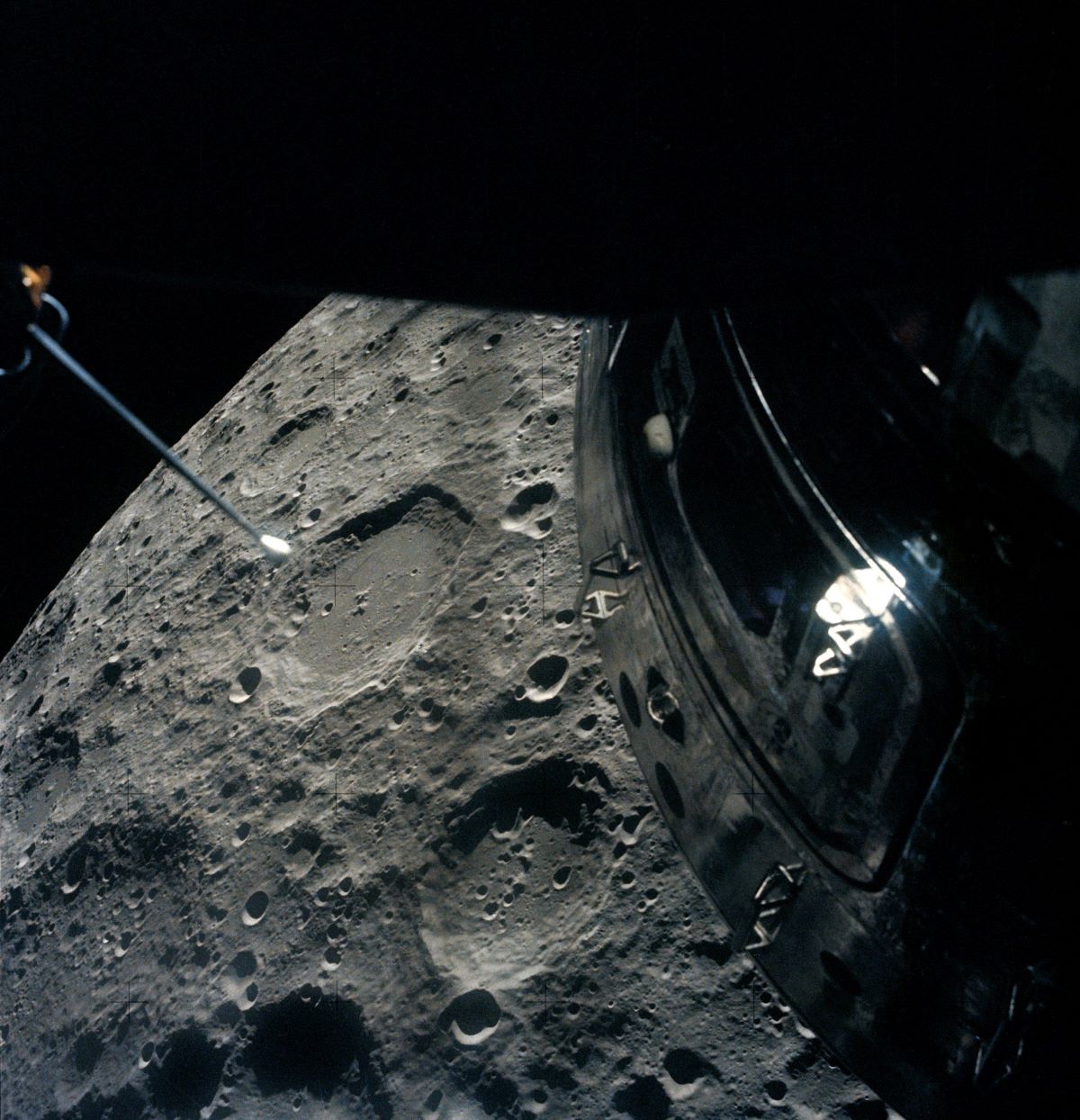
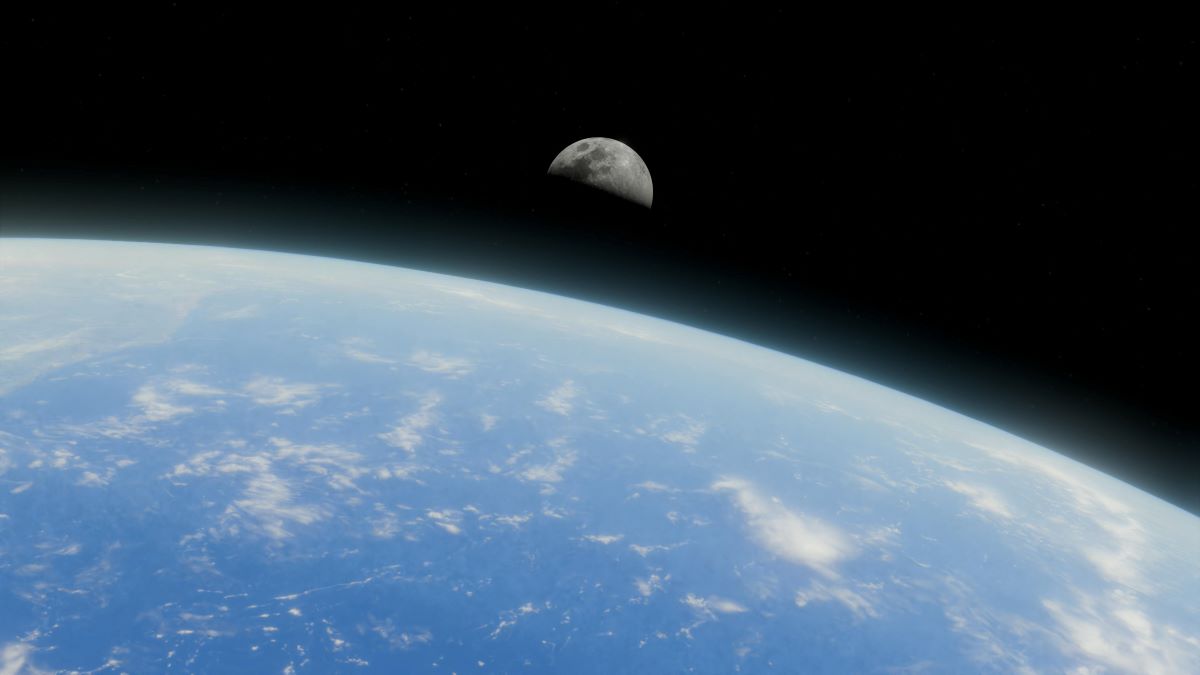
Artemis II is the first crewed lunar mission in more than half a century, carrying three American astronauts and one Canadian on a looping test flight designed to pave the way for a return to the Moon's surface. Their spacecraft captured an Earthrise not seen by human eyes in 50 years.
The call with Trump lasted around 13 minutes and was presented by the administration as a celebration of American ambition in space, but it also revealed as much about the 79-year-old president's anxieties over time as it did about NASA's next steps.
"Jared (@NASAAdmin) is doing a great job, NASA's amazing... and that's some ship, and so risky. Personally I wouldn't want to do it"
— Owen Sparks (@OwenSparks) April 6, 2026
- President Trump on Artemis II 😂 pic.twitter.com/H1X4Ygkd4c
'We will plant our flag once again, and this time we won't just leave footprints, we'll establish a permanent presence on the moon, and we'll push on to Mars,' Trump told the crew on Monday evening. He sounded genuinely energised describing what he framed as a new era of exploration.
Then came the line that changed the tone of the call, 'That will be very exciting. I'm waiting for that so much. I'd love to be here, but maybe we won't make it in terms of timing.'
It was an unusually candid moment from a president who usually presents himself as relentlessly future-focused. The remark was not elaborated on, and the astronauts did not respond, but it lingered over the rest of the conversation as Trump hinted that NASA would mount a 'big trip to Mars' in the near future.
Trump Ties His Legacy to Artemis II and Beyond
The news followed months of increasingly ambitious space rhetoric from Donald Trump, who has sought to tie his political legacy to a new moon programme much as John F Kennedy is eternally linked to Apollo.
In a statement issued on 24 March, NASA leadership echoed that urgency. 'NASA is committed to achieving the near impossible once again, to return to the moon before the end of President Trump's term, build a moon base, establish an enduring presence, and do the other things needed to ensure American leadership in space,' NASA Administrator Jared Isaacman said.
WATCH IN FULL 🇺🇸 https://t.co/NBEzoT1uwR pic.twitter.com/V2e1pY4wlv
— The White House (@WhiteHouse) April 7, 2026
That statement, which explicitly ties a return to the lunar surface to Donald Trump's political timetable, goes further than typical agency language. It outlines an ambitious schedule, noting an additional Artemis mission planned for 2027 and stating that NASA intends to 'undertake at least one surface landing every year thereafter.'
These are bold promises for a programme that only a few years ago struggled with technical delays and budget battles in Congress. NASA's wording conveys confidence that the Artemis architecture, the Orion capsule, the Space Launch System rocket, and planned lunar infrastructure can be scaled into a routine, near‑annual series of landings.
Mars Talk, Mortality and a Compressed Space Timetable
Donald Trump has already formalised his ambitions. In mid‑December he signed an executive order directing the United States government to 'ensure American space superiority' and to pursue a 'space policy that will extend the reach of human discovery, secure the Nation's vital economic and security interests, unleash commercial development, and lay the foundation for a new space age.'
Embedded in that order are date‑specific goals that now provide context for Trump's remarks to the Artemis II crew. The administration's priorities include 'returning Americans to the moon by 2028 through the Artemis Program' and 'establishing initial elements of a permanent lunar outpost by 2030 to ensure a sustained American presence in space and enable the next steps in Mars exploration.'
'EVERYBODY'S WATCHING IT': President Trump calls the Artemis II crew in space to personally congratulate them on their historic Moon flyby.
— Fox News (@FoxNews) April 7, 2026
"You've made history and made all of America really proud." pic.twitter.com/yi0qjJWqIS
On paper the plan is straightforward. Return astronauts to the moon before the decade ends, establish a basic base structure by 2030, then move towards Mars. In practice, each stage is a vast industrial and diplomatic undertaking that typically takes longer and costs more than initially acknowledged.
That makes Trump's offhand remark about perhaps not 'making it in terms of timing' particularly striking. A president openly recognising he may not live to see his own flagship goals realised is rare.
At 79, with moon bases and Mars expeditions scheduled into the 2030s, the gap between his political timelines and biological ones is clear. NASA has broadly echoed Trump's vision, even if not all of his dates.
The agency's March statement focused on a permanent moon base and an 'enduring presence' rather than setting specific Mars launch dates. Officials have presented Artemis as a programme intended to outlast any single administration, regardless of what political leaders suggest about timing.
Nothing publicly available confirms when a human mission to Mars might actually depart, and no agreed programme or funding line currently locks in such a date. Until that exists, talk of a 'big trip to Mars' must be treated with caution, however sincerely it is expressed during a 13‑minute Oval Office call to a crew orbiting the lunar far side.
© Copyright IBTimes 2026. All rights reserved.
- Recommended For You